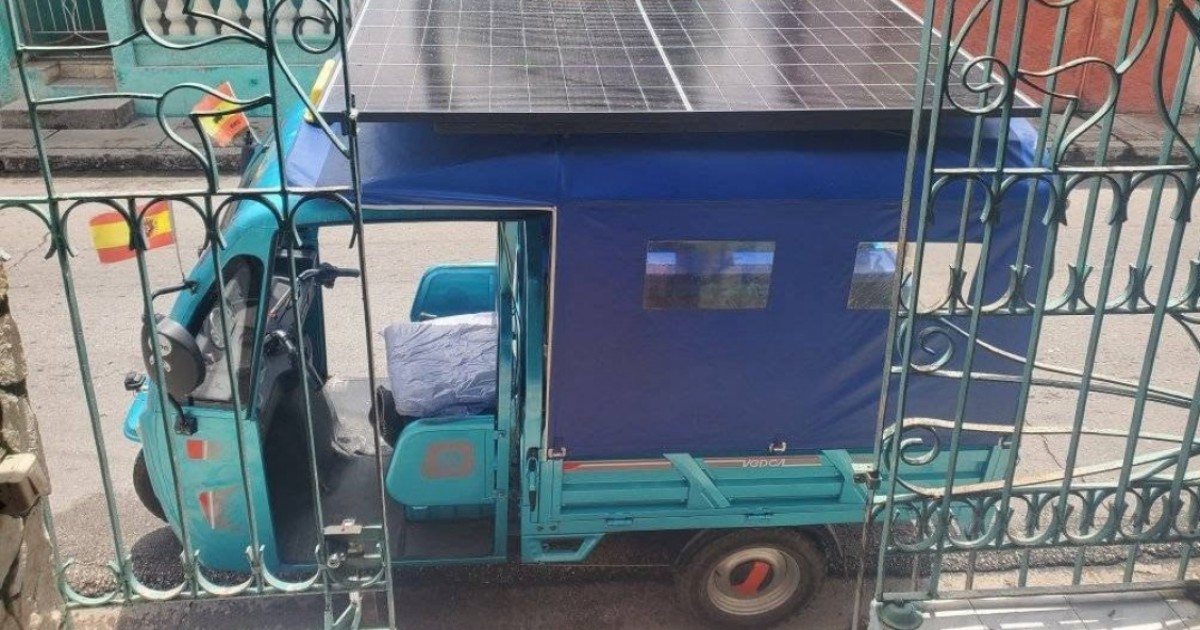
Chinese electric tricycles, many of which have been outfitted with handmade solar panels, have emerged as a vital mode of transportation for numerous Cubans. This development comes in the wake of a mobility crisis on the island, as detailed in a report by the AP.
With the scarcity of fuel, the iconic cars that once populated the streets of Havana have nearly vanished. In their place, Chinese-manufactured vehicles—such as the Zonsen and Jinpeng brands, as well as the locally assembled Vedca—now dominate the roads.
“These are what’s keeping people, small businesses, and food moving,” Liecer de la Cruz, owner of one such vehicle, told the AP.
The root of the problem is an almost complete lack of petroleum. Cuba typically requires eight tankers of fuel per month, but since December, only two have arrived. On May 14, Energy Minister Vicente de la O Levy admitted, “We are out of fuel and diesel, only companion gas remains.”
In response to this void, Cubans have resorted to their ingenuity by installing solar panels on tricycle rooftops to combat power outages, which prevent battery charging.
Carlos Álvarez, a 29-year-old engineer who runs a workshop in Havana, installs three to four panels weekly and reports increasing demand for his services.
“I have a client who hasn’t charged his battery in 15 days. He works until 1 p.m. and then leaves it in the sun. Cuba is like an eternal summer, and even in winter, the sun is intense, so it really helps,” he explained.
The cost of installing a solar panel can be around $500, while others may charge up to $800, including materials.
In May, the story of 21-year-old Yadán Pablo Espinosa came to light, who set up a small factory in Arroyo Naranjo to produce panel mounts capable of generating up to 2,600 watts during peak sunlight. Together with his father, three brothers, and a friend, they have already equipped over 15 vehicles without any state support.
These tricycles are priced between $2,000 and $4,000 on local online sales platforms, which are unaffordable for most Cubans, given the monthly minimum state salary is equivalent to about $17.5. Many are purchased in Panama and sent by relatives abroad.
The regime led by Díaz-Canel finds itself in a paradox. It promoted electric tricycles as a solution to the transportation collapse, yet the electrical grid cannot reliably recharge the batteries. On July 5, a record electrical deficit of 2,230 MW was recorded, and the system has experienced seven total collapses in 18 months.
Thus, solar panels have become a “compulsory” option for many transport operators.
However, service prices remain prohibitive for the average Cuban relying on a salary or pension.
In Matanzas, tricycle fares doubled overnight on June 10, reaching 300 pesos per ride, just three months after the Transport Minister announced that even dialysis patients had to cover their own transport costs with these vehicles.
Frequently Asked Questions About Electric Tricycles in Cuba
Why are electric tricycles using solar panels in Cuba?
Due to fuel shortages and frequent power outages that hinder battery charging, solar panels provide a sustainable and independent energy source for these vehicles.
What is the cost of equipping a tricycle with solar panels in Cuba?
Installing solar panels on a tricycle can cost between $500 and $800, depending on whether materials are included.
How much do electric tricycles cost in Cuba?
Electric tricycles are priced between $2,000 and $4,000 on local online platforms, making them expensive for the average Cuban.