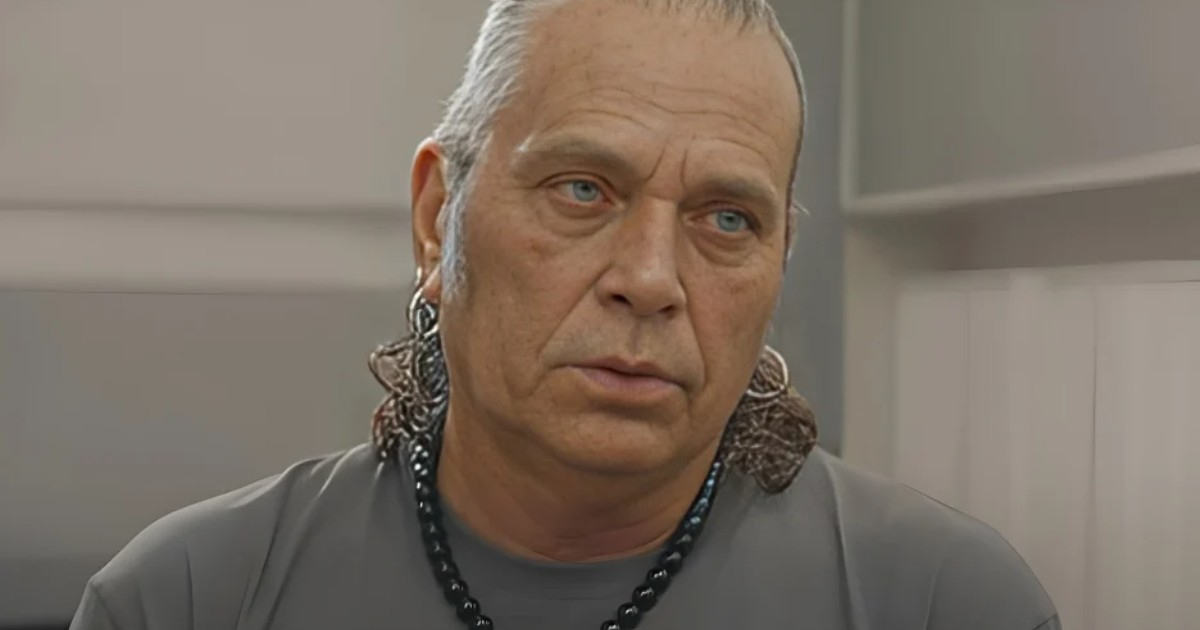
Renowned Cuban actor Luis Alberto García Novoa took to Facebook this Saturday with a powerful message, expressing his frustration after enduring three consecutive days and nights without electricity at home. "Our food and spirits are spoiling. Aren't you ashamed to make us endure this misery?" he questioned.
His post was a direct critique aimed at the regime's authorities, underscoring a deeper warning: "My daughters will not forget this. Not on their own nor because their mother and I will make sure they remember. Make sure they don’t forget you."
This statement came just a day after the National Electric System suffered its fourth collapse in 2026, specifically on Thursday at 4:30 PM, due to a failure in the 220 kV line between Santa Clara and Sancti Spíritus.
Just four days prior, on July 6, Cuba experienced its third nationwide blackout of the year—the seventh in 18 months—leaving 9.6 million people in the dark with an energy deficit of 2,230 MW.
By July 8, the country recorded its largest-ever energy shortfall of 2,341 MW, affecting 73% of its population simultaneously.
Slow Recovery Amidst Crisis
The recovery process has been inconsistent and slow. In Havana, power outages range from 15 to 22 hours daily, while some areas in Matanzas have accumulated 87 consecutive hours without electricity.
This Saturday also marked the fifth anniversary of the popular uprising on July 11, 2021, adding a symbolic weight to García's denunciation.
Outspoken Advocate for Change
García has remained a vocal critic of the ongoing energy crisis for months. On July 5, he reported 34 hours without power or water, with his daughters forced to sleep on the floor, vulnerable to mosquitoes.
On July 8, he sarcastically referred to the authorities as "the big shots upstairs," accusing them of solely seeking to "cling to power and their privileges."
Previously, on June 24, he had declared, "I will not be silenced. Know that," following a 48-hour blackout due to a transformer malfunction in his neighborhood.
García's June 16 message was even more confrontational, challenging the leaders directly: "I want to see you go hungry," demanding they experience the same hardships as the people.
Structural Failures and Political Blame
Amid the crisis, Díaz-Canel called for "better organization of blackouts" without announcing specific measures, while Prime Minister Manuel Marrero blamed the U.S. embargo for the recent collapse, as reported by the state-run media, Cubadebate.
The roots of the crisis are deeply structural: aging thermoelectric plants, some between 40 and 60 years old, suffer from inadequate maintenance, chronic fuel shortages, and a lack of investment. The Guiteras thermoelectric plant, one of the country's primary facilities, experienced 16 failures throughout 2026.
García's post, shared on the anniversary of July 11, transforms a personal complaint into an act of collective memory: "My daughters will not forget."
Understanding Cuba's Power Outage Crisis
What caused the recent power outages in Cuba?
The recent power outages in Cuba were caused by a failure in the 220 kV line between Santa Clara and Sancti Spíritus, along with structural issues such as aging thermoelectric plants, fuel shortages, and insufficient maintenance.
How are Cuban citizens affected by these power outages?
Cuban citizens are severely affected, with prolonged periods without electricity, affecting daily life, food preservation, and overall well-being. In Havana, outages range from 15 to 22 hours daily, while some areas suffer even longer durations.
What has been the government’s response to the crisis?
The government has called for better organization of blackouts but has not announced specific solutions. The Prime Minister attributed the crisis partly to the U.S. embargo, as reported by state media.