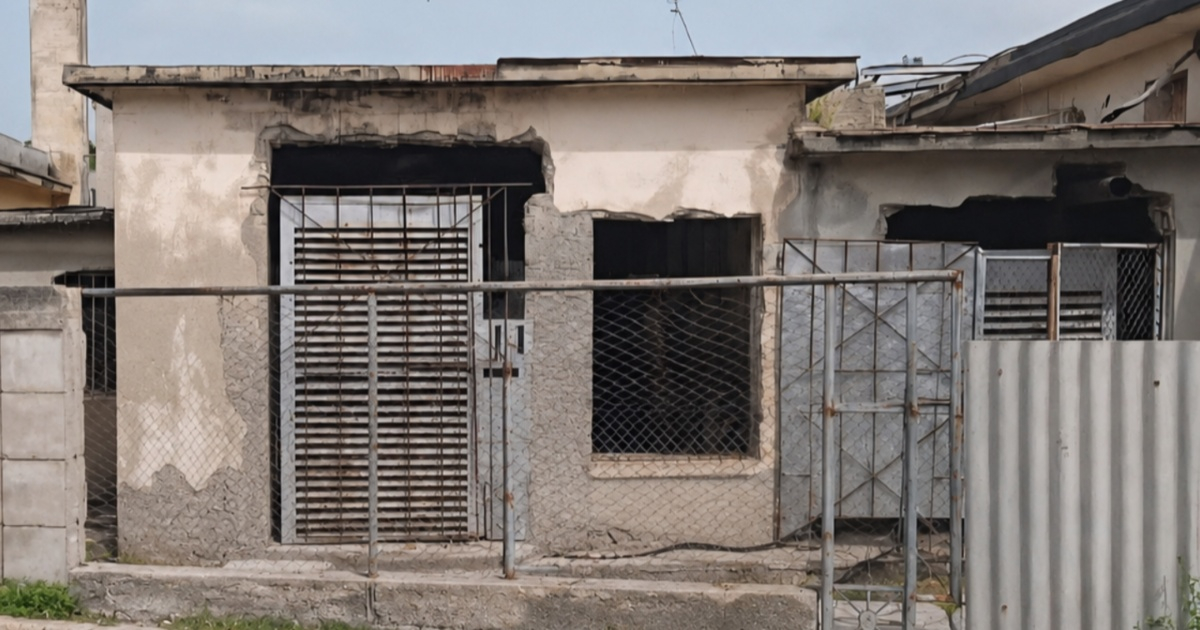
The main generator at Camagüey's Pediatric Hospital caught fire on Friday, July 10, leaving the facility struggling to maintain power for its patients. Hospital staff reported the incident to journalist José L. Tan Estrada, highlighting the dire situation.
In the wake of the fire, a smaller generator was activated, providing limited electricity to the Intensive Care, Intermediate Care, and Emergency Rooms. However, the rest of the hospital—designed to accommodate 356 beds for sick children across the province—relies on a temporary power source located near the University of Camagüey. This stopgap measure is far from stable.
Exacerbating the issue, hospital workers were informed that there are no spare parts available to repair the damaged generator, leaving the hospital in a precarious position during an ongoing national power crisis.
The timing of this incident couldn't be worse, as Cuba is experiencing its most severe electrical crisis in recent memory. On July 6, the country endured its seventh total blackout of the National Electric System in just 18 months, and by July 9, the power deficit reached a record 2,341 MW against a demand of 3,100 MW, with only 1,000 MW available.
Following the national grid collapse, Camagüey's Electric Company initiated a 28 MW isolated microgrid to prioritize power supply to provincial hospitals, including the pediatric facility, through Circuit Y-123. However, the company cautioned in their statement that "microgrids are isolated systems prone to failures," a warning that became a harsh reality with Friday's fire.
The pediatric hospital is not alone in facing an electrical emergency. Just two days earlier, on July 8, a fire in the generator at Amalia Simoni Hospital forced the evacuation of newborns to the Pediatric Hospital, which now grapples with its own crisis. Additionally, on July 9, a severe storm knocked out power to Camagüey's Provincial and Oncology Hospitals.
This hospital has a history of electrical infrastructure failures. In September 2022, a previous generator breakdown necessitated the urgent transfer of children in intensive care. In August 2024, reports surfaced about a lack of potable water for patients and their families. By February 2026, the pediatric hospital in Florida municipality faced a complete blackout, with staff relying on mobile phones for light during their shifts.
On Saturday, Prime Minister Manuel Marrero blamed the latest national blackout on the U.S. embargo, neglecting to address the systemic issues like failing power plants, inadequate maintenance, and the lack of spare parts—issues that have long plagued facilities like Camagüey's pediatric hospital.
As the regime points fingers externally, a hospital serving sick children operates under emergency conditions, without assurances of sustained power and lacking the necessary parts to restore full electrical capacity.
Critical Power Challenges in Cuban Hospitals
What caused the generator fire at the Pediatric Hospital in Camagüey?
The exact cause of the generator fire at Camagüey's Pediatric Hospital has not been specified, but it has severely impacted the hospital's ability to maintain power.
How are hospitals in Camagüey coping with the power crisis?
Hospitals in Camagüey are relying on temporary solutions like microgrids and external generators, but these measures are unstable and not sufficient for long-term needs.
What are the broader implications of Cuba's electrical crisis?
Cuba's electrical crisis is affecting essential services, including healthcare. The inability to maintain consistent power supply impacts patient care and hospital operations, highlighting deep-rooted infrastructural issues.