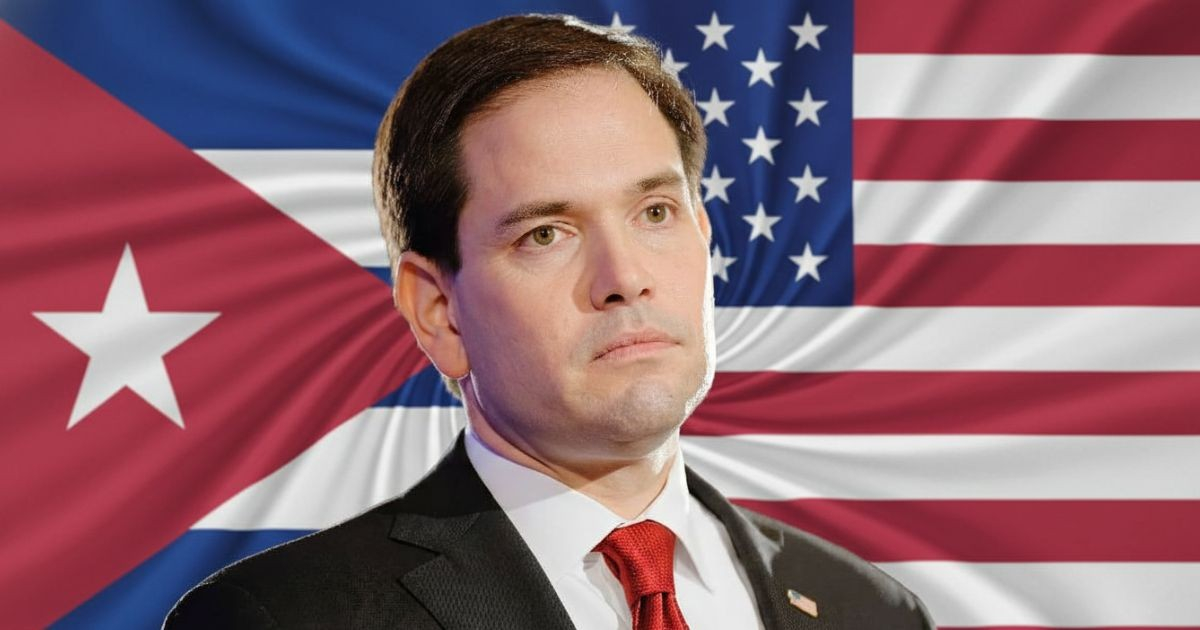
On the fifth anniversary of the July 11, 2021 protests, U.S. Secretary of State Marco Rubio issued a formal statement on Saturday through the State Department. His message was a stark warning to Cuba's dictatorship: "Cuban leaders must commit to genuine reforms, peace, and prosperity before it's too late."
The statement, titled Five Years After the July 11 Demonstrations, Cubans Deserve a Better Future, serves as a reminder of the massive anti-government protests that unfolded five years ago across more than 50 cities. These were the largest demonstrations since 1959, which the regime met with violence against peaceful protesters and the arrest of thousands of ordinary citizens.
"To this day, hundreds of Cubans remain unjustly detained for the mere act of demanding basic rights, opportunities, and dignity," Rubio noted, reiterating the demand for the immediate release of all political prisoners on the island.
According to human rights organizations such as Prisoners Defenders and Justicia 11J, as of May 2026, there were 1,281 political prisoners in Cuba, with at least 338 serving sentences directly linked to the July 11 protests.
Economic Collapse and Public Suffering
Rubio painted a grim picture of the Cuban economy, describing it as in "freefall" after decades of repression and mismanagement. The Cuban people are enduring power outages, hunger, and deprivation.
This aligns with undeniable realities: on July 6, a nationwide blackout left 9.6 million people without electricity, marking the third total blackout of the year, with outages lasting up to 87 hours in Matanzas and 72 hours in Granma.
The U.S. Offer and Cuban Resistance
Rubio emphasized that the Trump administration has extended offers of humanitarian aid, reconstruction assistance, and "the promise of a new relationship" between the two nations, all contingent on real political and economic reforms.
However, he accused the Cuban leadership of rejecting any significant change: "The regime and its corrupt elites continue to refuse any effort for meaningful reform, prioritizing their total control over the Cuban people and their dogmatic adherence to their morally bankrupt Marxist ideology."
The statement also touched on national security concerns. Rubio accused the regime of hosting military, intelligence, and terrorism operations from U.S. adversaries less than 100 miles from American shores, and of supporting subversive networks within Cuba itself.
Increased Pressure and Ineffective Reforms
This declaration follows a sustained escalation of U.S. pressure throughout 2026. The Trump administration has imposed over 240 sanctions on the Cuban regime since January, including Executive Order 14404 on May 1, sanctions against the military conglomerate GAESA in May, and a new round on June 23 targeting five entities linked to the military apparatus, including RAFIN S.A. and the Banco Financiero Internacional.
In June, the Cuban regime approved a package of 176 economic reforms—such as private banking and expanded foreign investment—but the State Department dismissed them as "superficial smoke signals," part of a strategy to project openness without relinquishing control.
The anniversary of July 11 coincides with a new wave of protests in Cuba. A historic record of 107 street demonstrations was recorded in June, nearly double the previous peak, and protests continued in July in neighborhoods like Jaimanitas with calls of "Down with the dictatorship!"
"The United States will continue using all tools at our disposal to address the national security threats posed by the Cuban communist regime and to promote the economic and political reforms that will provide Cuba with a better future," Rubio concluded in the statement.
Frequently Asked Questions about the Cuban Crisis and U.S. Policy
What were the July 11 protests in Cuba about?
The July 11 protests were massive anti-government demonstrations across Cuba, demanding basic rights and expressing discontent with the communist regime's governance.
How has the U.S. responded to the Cuban regime?
The U.S. has increased pressure on the Cuban regime through sanctions and diplomatic statements, urging for political and economic reforms.
What are the current conditions in Cuba?
Cuba is facing severe economic challenges, including power outages, food shortages, and widespread poverty, as a result of decades of mismanagement under its communist regime.