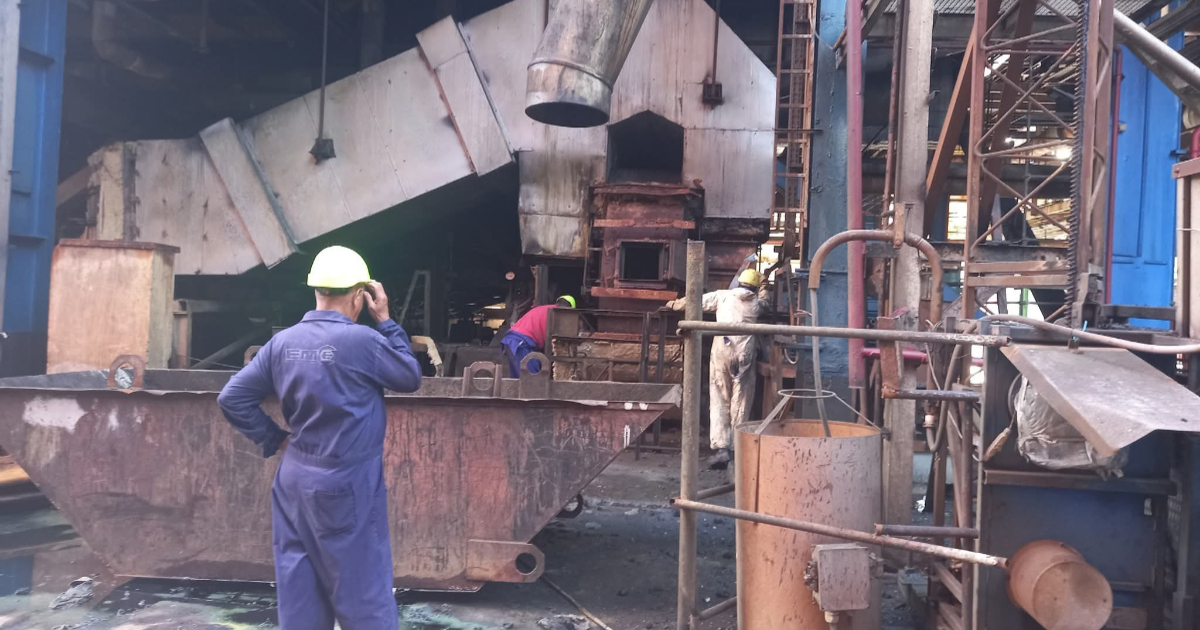
On Friday, the National Electric System (SEN) of Cuba experienced another complete shutdown at 4:30 PM, as reported by the Electric Union (UNE) on their official Facebook page. This incident sparked a wave of sarcastic and outraged comments, particularly due to its timing on the eve of the fifth anniversary of the significant events of July 11, 2021.
This collapse occurred just four days after the total blackout on July 6, marking the seventh such incident in the past 18 months. The outage happened on the same day when President Díaz-Canel publicly suggested "better organization of blackouts" amidst the ongoing energy crisis.
The timing of these events did not go unnoticed by the Cuban populace. One user remarked, "Remember, tomorrow is July 11. The lights went out on the 10th and won't be back until the 12th."
Another comment was more direct: "Everything is ready for the big celebration tomorrow." A third user added a countdown: "You're a joke. Tick-tock, tick-tock, 07-11-2026."
Speculations and Public Sentiment
Many comments linked the blackout to the possibility of it being intentional. "Just a day before July 11, this is on purpose, they're already testing us. Well, go ahead and play with fire," warned one commenter. Another simply stated, "Karma never forgives."
The Antonio Guiteras thermoelectric plant, which has been disconnected from the system 17 times in 2026 alone and hasn't received major maintenance since 2010, became a target for popular sarcasm.
One person summarized, "Guiteras goes offline, the SEN collapses. Guiteras comes online, and the SEN collapses again... Let me tell you." Another added, "It's no longer Guiteras failing every two days; now it's the entire SEN."
Enduring Humor Amid Crisis
The general tone of the public ranged from resignation to dark humor. "No matter the day, time, or year, the SEN has failed," wrote one user, encapsulating the normalization of the disaster.
Some comments were blunt: "Business as usual, unfortunately," "We're used to it," "What a disgusting life," or "Just hand over the country."
Irony was also aimed at those profiting from the crisis: "Well, those selling solar panels must be rubbing their hands together," noted a commentator. Another creatively criticized the UNE: "They're a poem, and not one by Neruda."
The energy context is one of unprecedented crisis. On July 8, a record electricity shortfall of 2,341 MW was recorded, with only 935 MW available against a demand of 3,100 MW.
Blackouts in Havana average 15 hours daily in July, with some areas experiencing over 72 consecutive hours without power.
July 11, 2021, marked the largest social uprising in Cuba since 1959, triggered partly by the very blackouts and shortages that continue to this day.
Five years later, at least 338 individuals remain sanctioned directly for those protests, as part of a total of 1,281 political prisoners documented by human rights organizations as of May 2026.
Understanding the Cuban Energy Crisis
What caused the latest nationwide blackout in Cuba?
The blackout was due to a complete shutdown of the National Electric System (SEN), which has been experiencing frequent failures over the past 18 months.
How have recent blackouts affected daily life in Havana?
Residents in Havana face blackouts averaging 15 hours each day, with some areas enduring more than 72 hours without electricity.
What was the significance of July 11, 2021, in Cuba?
July 11, 2021, was marked by the largest social protests in Cuba since 1959, driven by widespread discontent over blackouts and shortages.