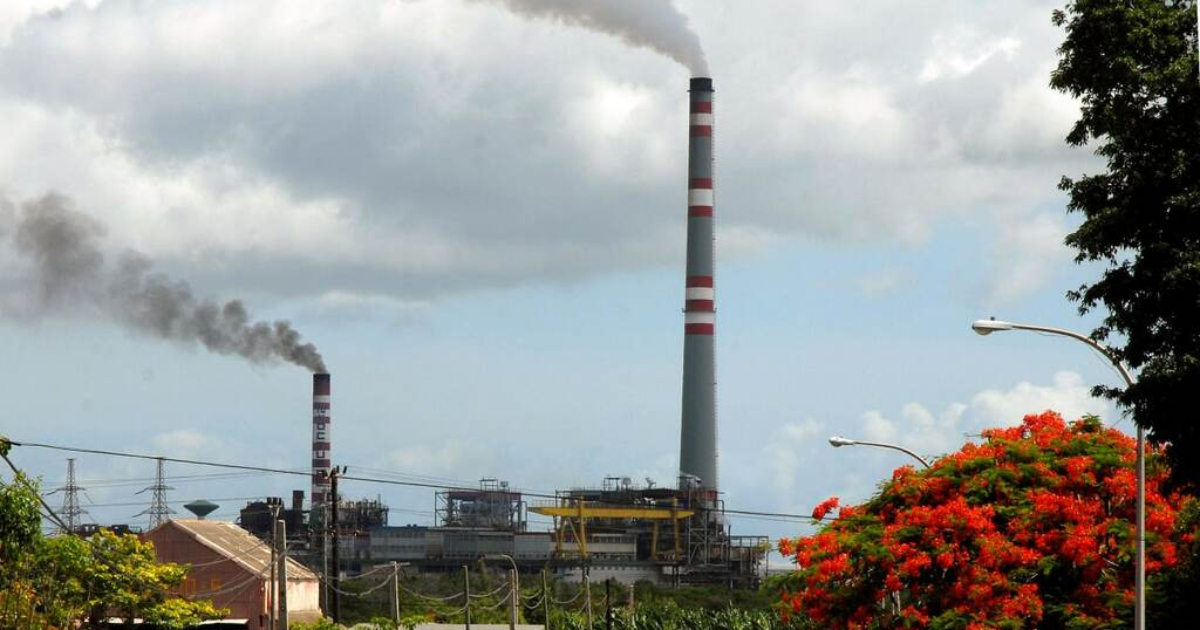
On Friday at 4:30 PM, the National Electroenergetic System (SEN) of Cuba experienced yet another complete shutdown, confirmed by the Electric Union through its social media channels.
"As of 4:30 PM, the National Electric System has completely collapsed," the company announced.
This incident was also highlighted by journalist Lázaro Manuel Alonso on Facebook, who remarked, "A few moments ago, the National Electric System disconnected. We are seeking further details."
This marks the fourth total blackout of 2026 and the eighth within approximately two years, signifying an alarming increase in the frequency of failures within Cuba's electric infrastructure.
Challenges Intensify Amidst Power Struggle
The timing of this collapse is particularly noteworthy: earlier that day, the Antonio Guiteras Thermoelectric Plant had announced it was preparing to join the SEN during peak demand hours, a claim met with widespread skepticism among Cubans.
Preceding conditions were already dire: the SEN's capacity was approximately 935 MW during peak hours, compared to a demand of 3,100 MW, leading to a forecasted shortfall of over 2,100 MW.
Additionally, 106 distributed generation plants remained offline due to fuel shortages, resulting in a further 890 MW being unavailable.
Escalating Crisis in Cuban Energy Sector
The immediate backdrop adds to the bleak situation. Just four days earlier, on July 6, Cuba endured its third total blackout of the year, affecting roughly 9.6 million people.
On July 8, the country faced its largest energy deficit ever: 2,341 MW, impacting 73% of the population simultaneously.
The root causes are deeply embedded. Cuban thermoelectric plants, some ranging from 40 to 60 years old, have not received comprehensive capital maintenance. Since its inauguration in 1988, the Guiteras plant has not undergone such maintenance since 2010 and has been offline 17 times in 2026 alone.
Government Response and Public Outcry
For over three months, Cuba has been without oil shipments, relying on solar power, natural gas, and poorly conditioned plants.
This Friday, President Díaz-Canel called for "better organization" of power outages without introducing any measures to boost generation, while Havana abandoned its block management strategy due to the inability to sustain any rotational scheme.
In certain areas of Matanzas, power cuts have lasted up to 87 consecutive hours; in Havana, the average is 15 hours daily without electricity, sparking pot-banging protests and police responses.
Restoring power after a total blackout is a technically challenging process that can take several days: it requires establishing regional microsystems before reconnecting large thermoelectric plants. The longest blackout in the current cycle occurred on March 16, 2026, lasting 29 hours and 29 minutes.
Understanding Cuba's Power Crisis
What caused the recent blackout in Cuba?
The blackout was caused by a complete shutdown of the National Electroenergetic System (SEN), exacerbated by outdated infrastructure and a significant energy supply deficit.
How does Cuba plan to address the energy crisis?
Currently, the government has not announced specific measures to increase energy generation, focusing instead on managing outages more effectively.
Why are Cuban thermoelectric plants failing?
Cuban thermoelectric plants are failing due to their age, as many have not received necessary comprehensive maintenance in decades.