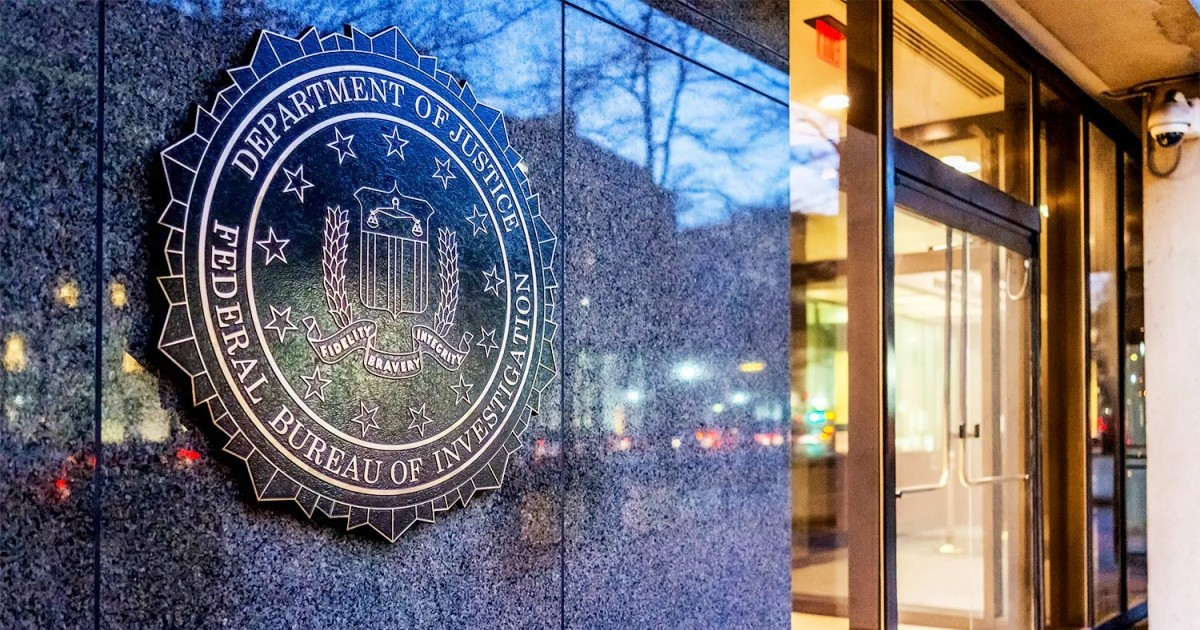
The FBI's Miami division issued a formal warning on Thursday to South Florida residents concerning a surge in violent thefts connected to dating apps. This criminal trend merges digital romance scams with physical violence.
Authorities note that while scams through dating platforms have existed for years, this variation is particularly severe. "Although dating scams have been around for years, this one is especially dangerous due to its violent aspect," FBI officials cautioned.
Criminal Tactics on Dating Apps
Here's how the scheme works: Criminals create fake profiles on apps like Tinder, Bumble, Hinge, or Facebook Dating, pretending to be genuine romantic interests and arrange private meetings with their victims.
Once the victim arrives, the encounter turns into a robbery.
The FBI has recorded at least one alarming incident. "In one case, the meeting ended with the perpetrator displaying a firearm and robbing the victim of belongings and cash; they then forced the victim to withdraw money from an ATM," the agency reported.
Adam Berry, assistant special agent in charge at FBI Miami, was the spokesperson for the alert, emphasizing the vulnerability of those seeking genuine relationships.
"A criminal posing as a legitimate romantic interest can exploit a potential victim looking for love," Berry stated.
"We urge dating app users to protect themselves. Ensure you take precautions to avoid dangerous situations," he added.
Four Safety Tips for Dating App Users
The FBI provides specific recommendations for those using these platforms:
- Do not disclose your net worth or personal financial information to strangers.
- Always meet in a safe, public place and remain aware of your surroundings.
- Never share personal identification information (full name, address, social security number) with someone you met through an app.
- Be wary of unverified profiles, especially those with overly professional photos or those who avoid answering direct questions about their identity.
Cybersecurity experts suggest additional precautions: use an alias or pseudonym on the platform, disable precise location within the app, conduct a video call to verify someone's identity before meeting in person, and inform a friend or family member before attending any date with someone known online.
A Growing Trend
This is not the first time FBI Miami has issued such a warning in recent months. In April 2026, the agency alerted the public about fake federal agents operating in Miami, demanding money from Hispanic immigrants under the threat of deportation. In April 2025, the office highlighted an increase in identity theft scams through phone calls with spoofed caller IDs.
The pattern of thefts via dating apps is not limited to South Florida: similar cases have been documented in Texas, and in Pompano Beach, a man was arrested for kidnapping a woman he met through one of these platforms.
Nationally, the figures indicate a worrying trend. The FBI's Internet Crime Complaint Center (IC3) recorded $672 million in losses due to confidence and romance scams in 2024, with 17,910 reports. By 2025, that number escalated to $929 million, showing a consistent year-on-year increase.
Victims of such crimes can report their cases to the IC3 at ic3.gov or by calling 1-800-CALL-FBI.
Understanding the Risks of Dating Apps
What should I do if I encounter a suspicious profile on a dating app?
If you come across a suspicious profile, report it to the app's support team immediately and avoid any further contact.
How can I verify someone's identity before meeting them?
Conduct a video call to see if they match their profile pictures and ask questions that can confirm their identity.
What are the signs of a dating app scam?
Signs include profiles with overly professional photos, reluctance to meet in public, and requests for financial information or assistance.