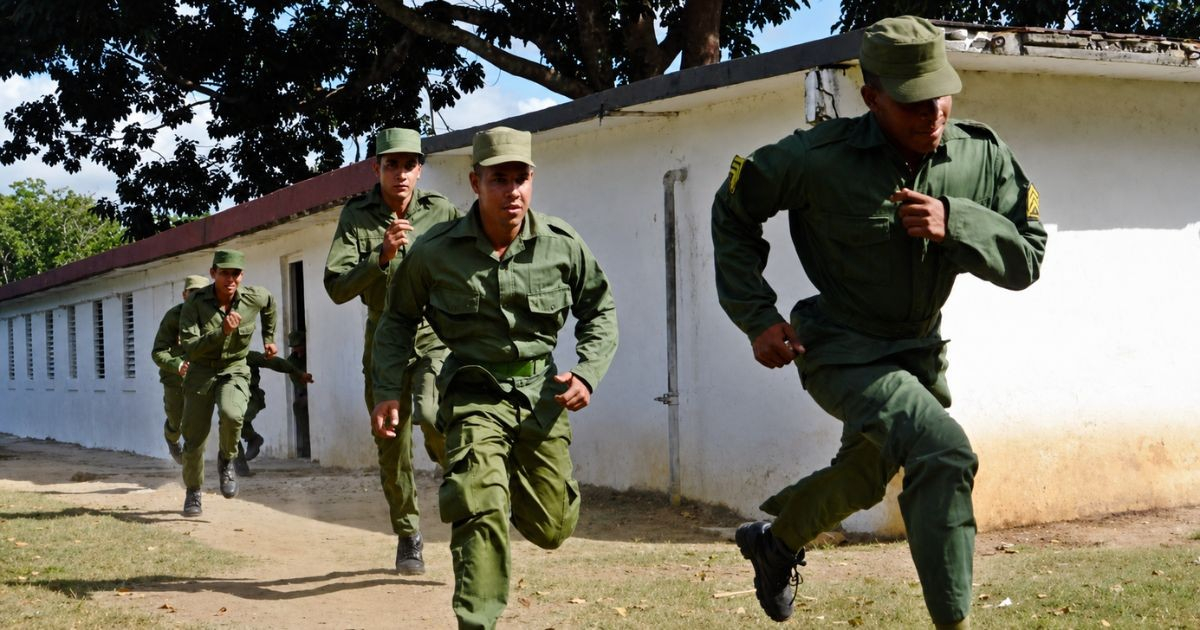
A broadcast from the official Radio Ciudad Monumento celebrating the recruitment process for the Active Military Service in Bayamo, Granma province, has sparked an outcry among Cubans. Many have harshly criticized the process, labeling it a "slaughterhouse," "cannon fodder," and "the most effective way to rob young men of their best years."
The state-run media reported that the recruitment day started at a location known as Los Caneyes, where medical evaluations were conducted prior to physical fitness tests.
Following this, the Military Instruction Commission's investigative body determined the unit type for each recruit. Municipal recruitment committees evaluated the economic, social, and family situations of the draftees before finalizing assignments.
The official statement concluded with, "This is how Granma shapes a new generation of soldiers for its defense," yet the public's response was starkly opposed to the state media's triumphant tone.
Public Outcry Against Compulsory Service
"Poor kids, they're being sent to the slaughterhouse," commented Maikel Fernandez, expressing a sentiment echoed by many.
David Zamora was even more outspoken: "Cannon fodder; young people who don't want to be there are forced to risk their lives. I don't understand how they can publish this with a clear conscience. You're all shameless accomplices."
Angélica Maria Boduet captured the general feeling: "The worst thing about this country is the mandatory military service. No young person wants to go; they're being prepared for a war that will never happen. It's abuse."
Voices of Those Who Have Served
Albert Cala, who claimed to have completed military service, added, "In most countries, at 18, you're an adult and can choose what's best for you, but not in Cuba. Ask any of these young men if they want to serve, and 90% will say no, I guarantee it."
Numerous parents openly declared they wouldn't let their children be drafted. Rosy Sanchez Rosales stated, "They'd have to kill me to take my son from the house to serve these dogs."
Leiva Aliannis echoed this sentiment: "They'll have to arrest me because I won't let my son go through military service."
Criticism of the System's Hypocrisy
Some pointed out the hypocrisy within the system. Maikel Rodríguez publicly questioned, "Why don't the generals' children have to do mandatory service?" Meanwhile, Galan Yovi directly criticized Raúl Castro and Miguel Díaz-Canel: "That corrupt government knows the people hate it because of the abuse with blackouts, poverty, hunger, and lack of transportation."
Dânî Martìnez warned about long-term effects: "Most of those kids come out with mental health issues and habits they never had." Ariam Acosta Rodriguez was more blunt: "Get out of the country before they restrict you."
The backlash comes amid reports of documented deaths within military service; from 2018 to early 2026, at least 67 recruits perished, including 27 suicides and 16 due to severe negligence.
In 2025 alone, at least 19 young recruits died during their service, according to Cubalex.
Despite this, the regime's Decree 103/2024 imposes fines of up to 7,000 Cuban pesos for those who fail to report after being summoned. Cuba does not acknowledge the right to conscientious objection, leaving young people with no legal means to refuse service.
Frequently Asked Questions about the Cuban Military Draft
Why are Cubans opposed to the military draft?
Many Cubans view the draft as a way to exploit the youth, taking away their best years and placing them in dangerous situations without their consent.
What are the consequences for refusing military service in Cuba?
Individuals who do not comply with the draft face fines of up to 7,000 Cuban pesos, and the country does not recognize the right to conscientious objection, leaving no legal alternatives.
What are the reported conditions within the Cuban military service?
The conditions have been criticized due to documented deaths, including suicides and fatalities caused by negligence, highlighting the dangerous and harsh environment recruits face.