From July 14 to July 18, the Cuban government is set to host the 20th International Low-Budget Film Festival in the coastal town of Gibara, located in the northern part of Holguín. This event unfolds as the province grapples with the country's most severe energy crisis and a significant portion of its residents suffer from hunger and shortages.
This year's festival marks its 20th edition and was postponed from its usual April date to July, specifically due to the ongoing fuel and energy challenges in Cuba.
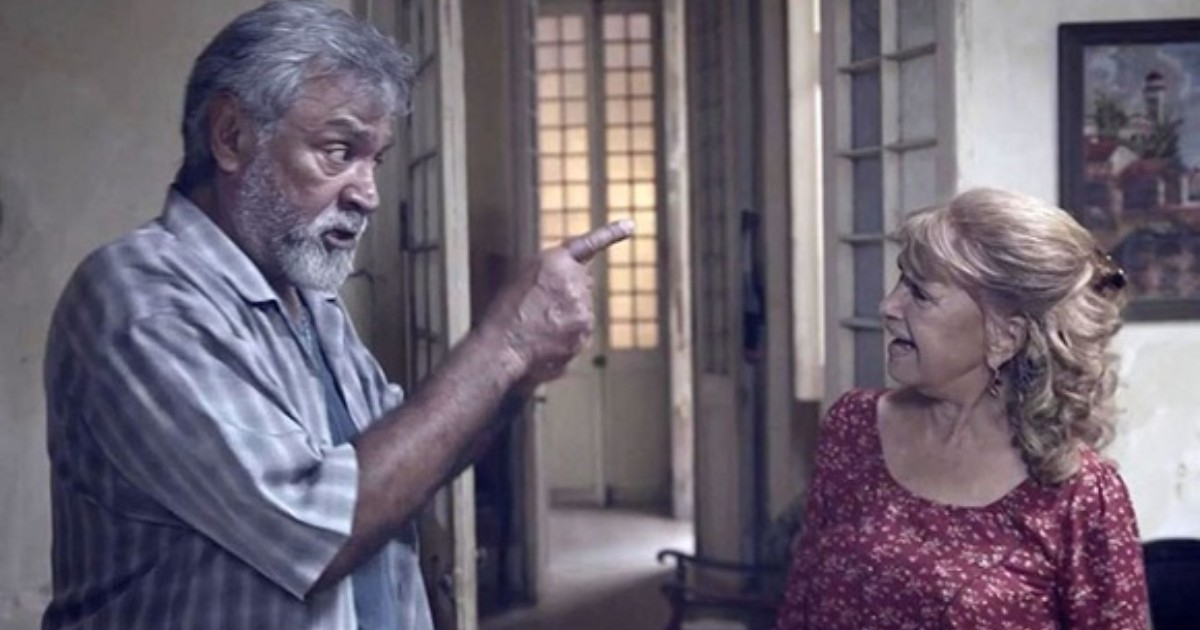
The festival will kick off with the screening of the film Neurótica Anónima, directed by Jorge Perugorría and starring Mirtha Ibarra. This film serves as a tribute to Perugorría, who led the festival for five years. Shot in August 2024 in Havana, the movie is based on Ibarra's play and tells the story of a woman striving to save a deteriorating Havana cinema from demolition.
Rafael Grillo, a member of the Organizing Committee, acknowledged that the number of entries fell short compared to previous editions but emphasized the quality of those selected. He stated, "Despite the current difficulties and the postponement of the event to July, this year's program maintains the quality and diversity that distinguish the festival."
To overcome power outages, the organizers have employed a battery system and open-air screenings on three screens spread throughout the city. However, the large concerts that were a staple of past editions will not take place this year.
The stark contrast between the festival and the reality facing Holguín is striking. The province is operating with just 70 MW, compared to a demand of 225 to 240 MW—less than 30% of the required capacity. Residents endure power outages lasting over 50 consecutive hours, with only three hours of electricity per cycle.
Nationwide, the situation is equally dire. According to the "In Cuba There is Hunger 2025" survey, 33.9% of Cuban households reported at least one person went to bed hungry in the past 30 days. A staggering 97.6% of the population experiences structural shortages, and only 18.3% receive daily potable water.
The film lineup includes competitions in feature films, short films, documentaries, and animation. In the fiction category, the Kyrgyz film Mergen, by Chinguiz Narinov, competes alongside productions from Iran, India, Morocco, Mexico, and Venezuela, as well as two Cuban films. The documentary section features national titles like Padilla, Mijaín, and Mario Rivas: An Artist with Luck, among others.
Grillo conceded that the event might not reach the level of previous editions in all respects but defended its core mission. "Although certain aspects of Gibara's traditional multicultural celebration may not achieve the level of past editions due to current conditions, the festival's essential purpose—its cinematic programming—remains uncompromised compared to recent years," he affirmed.
Established in 2003 by filmmaker Humberto Solás, the festival was designed as a platform for independent, diverse, and alternative cinema, based on the belief that a modest budget does not equate to a lack of ideas or artistic quality.
However, for many Cubans, it's hard to overlook the government's allocation of resources to a cultural event while the population contends with hunger, extensive blackouts, and extreme scarcity amid what might be the most severe GDP decline in decades.
Cuban Film Festival Amid Economic Struggles
Why was the Gibara Film Festival postponed to July?
The festival was postponed from April to July due to Cuba's ongoing energy and fuel crisis.
What challenges is Holguín facing during the festival?
Holguín is experiencing severe power shortages, operating at less than 30% of the required capacity, with prolonged blackouts and limited electricity cycles.
How is the festival addressing power outages?
The festival has implemented a battery system and will conduct open-air screenings across three different locations in the city to mitigate the impact of power outages.