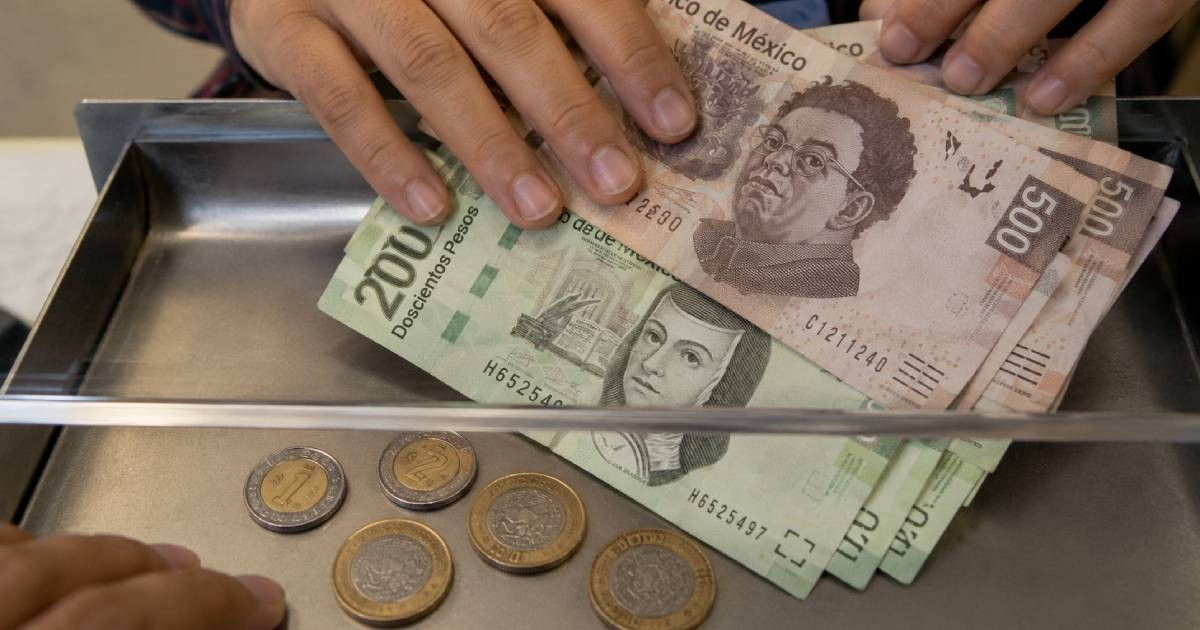
In the Mexican city of Tapachula, over 13,000 Cuban migrants find themselves relying on informal networks to send financial support and supplies to their families in Cuba. This necessity arises from the collapse of most formal remittance and parcel services, as reported by Diario del Sur.
The Mechanisms of Informal Networks
These networks operate through a chain of trusted intermediaries. A migrant in Mexico hands over or wires money to a contact in the country, who then coordinates with a partner in Cuba to ensure the recipient receives the equivalent amount in cash.
"If I want to send money to my dad in Cuba, I transfer it to someone here, and they have a contact there who delivers the cash," explained Gloria, a Cuban migrant interviewed by the Chiapas newspaper.
Motivations Beyond Profit
While those running these networks profit from currency exchanges and handling foreign currencies within Cuba, many migrants are driven by the need to support their families rather than financial gain.
"I'm not doing this to get rich. I'm doing it so my parents can eat. Sometimes I send them what I earn in a week, and they tell me it's barely enough to buy rice, oil, and some basics," Gloria expressed.
Challenges and Limitations
On a typical schedule, most Cubans send money every two weeks or once a month, depending on their income and their families' needs. Besides cash, migrants also send non-perishable foods, hygiene items, and other essentials, though options are limited.
Currently, one Cuban-origin company still provides this service, but high fees, strict requirements, and delivery times make it less accessible for many migrants. Additionally, another international company that used to send packages to Cuba has temporarily halted its operations.
Formal Remittance Services: A Limited Option
The few formal remittance services that remain offer deliveries within one to five business days, but they charge variable fees and operate in an increasingly narrow market due to high financial and regulatory costs of transactions between Mexico and Cuba.
Trapped Between Two Crises
This reliance on informal networks stems from a combination of two crises. Firstly, thousands of Cubans are stuck in Tapachula after being deported from the United States as of February 2026, with little chance of returning to Cuba or re-entering the U.S.
Secondly, the shutdown of major official remittance channels has further complicated financial support for families still in Cuba. Western Union indefinitely suspended its services to Cuba in February 2025, and Cubamax followed suit two months later. Although Correos de Cuba resumed international transfers in April 2026, the program is limited to a handful of countries, excluding Mexico.
Remittances: A Lifeline Amid Economic Hardship
For many Cuban families, remittances are a crucial source of income amidst a deepening economic crisis. Studies reveal that 97.6% of the population struggles to access basic necessities, and one in three households has recently faced hunger. Meanwhile, essential goods like rice sell for over 400 pesos per pound on the informal market, with the average state salary hovering around 7,000 pesos monthly.
However, using unofficial channels carries risks. By May 2025, there were already reports of scams targeting Cubans in Tapachula who used informal platforms to send remittances, resulting in total loss of funds with no legal recourse for recovery.
Understanding the Challenges of Cuban Remittances and Informal Networks
Why do Cuban migrants in Tapachula rely on informal networks for remittances?
Due to the collapse of formal remittance channels and parcel services, Cuban migrants in Tapachula turn to informal networks to send money and supplies to their families in Cuba.
What are the risks associated with using informal remittance networks?
Using informal networks can lead to scams and the potential loss of funds without legal means to recover them, as documented in Tapachula.
How do currency exchanges benefit those operating informal networks?
Operators of these networks profit from currency exchange rates and handling foreign currencies within Cuba, though many migrants prioritize family support over profit.