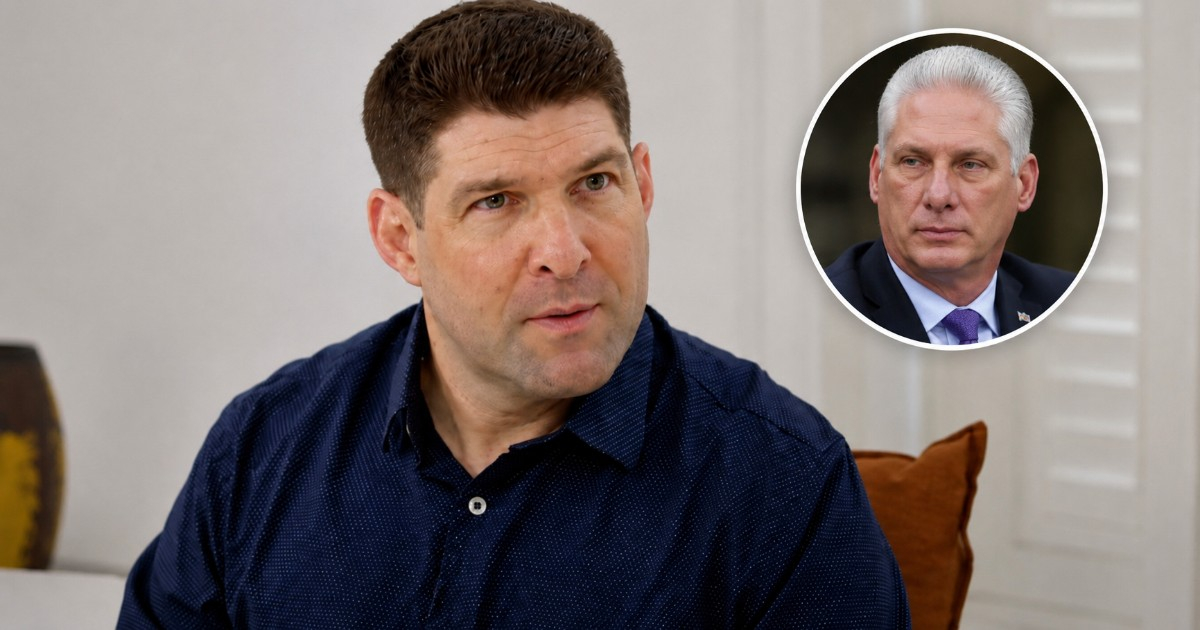
In an extensive and exclusive two-day interview with USA TODAY in June, Raúl Guillermo Rodríguez Castro, the 42-year-old grandson of Raúl Castro known as "El Cangrejo," seldom referenced Cuba's official president, Miguel Díaz-Canel. When he did, he used a diminutive nickname: "Miguelito."
This detail, highlighted in USA TODAY’s report published on Monday, does not appear to be a term of endearment among peers but rather an exposé on the true power dynamics in Cuba. Díaz-Canel, appointed by the elder Castro, is treated accordingly by the younger Castro.
In April 2018, Díaz-Canel was the sole candidate for the presidency, presented by the National Assembly following Raúl Castro's directives. He secured 603 out of 604 votes without a direct popular election, becoming the first Cuban leader since 1959 not bearing the Castro surname. However, his actual authority has been in doubt from the outset.
The Real Power Structure
The USA TODAY interview provides concrete evidence of this hierarchy: No member of the Trump administration has engaged directly with Díaz-Canel. Instead, Rodríguez Castro operates from his grandfather's former office in the Palace of Conventions in Havana, reviews classified reports from the Ministries of Interior, Foreign Affairs, and Armed Forces from 5 AM, and expresses willingness to negotiate with Washington.
“If appointed, I can negotiate with anyone selected by the U.S. government. Given the chance, of course with Trump,” Rodríguez Castro stated in the interview.
Behind the Scenes: El Cangrejo's Role
Official documents list El Cangrejo as responsible for the security of the regime's key figures. Practically, he provides advice on investment opportunities, negotiations, and public policy decisions in any area deemed necessary by those with official roles—like President Miguel Díaz-Canel.
This setup is telling: Díaz-Canel is mentioned in passing, as an example of those holding "official functions." El Cangrejo, without a formal title, delineates the extent of his counsel.
Rodríguez Castro maintains he works "in harmony" with Díaz-Canel and that they "share the same vision." However, the described dynamic portrays the president as more of an administrative manager rather than the ultimate decision-maker.
Acknowledging the Power Play
In March 2026, Díaz-Canel himself acknowledged that Raúl Castro leads the dialogue with the United States, reinforcing the narrative painted by the USA TODAY interview.
While the Trump administration has sanctioned Díaz-Canel, Rodríguez Castro remains untouched, a disparity analysts interpret as a deliberate indication that Washington sees the grandson as a legitimate interlocutor. El Cangrejo has met with Secretary of State Marco Rubio in February 2026 and was present during CIA Director John Ratcliffe's visit to Havana in May 2026.
“He is the favored grandson,” summarized Frank Mora, a professor of Politics and International Relations at Florida International University, as quoted by USA TODAY.
The emerging pattern suggests a dynastic monarchy cloaked in republican terminology: the formal president is "Miguelito," while actual power resides with the Castro namesake.
Understanding Cuba's Political Dynamic
Who is Raúl Guillermo Rodríguez Castro?
Raúl Guillermo Rodríguez Castro, often referred to as "El Cangrejo," is the grandson of Raúl Castro and plays a significant role in Cuba's political landscape despite not holding an official title.
What does the nickname "Miguelito" imply about Díaz-Canel's role?
The use of the diminutive "Miguelito" suggests a lack of real power or authority, indicating that Díaz-Canel is seen more as a figurehead than a leader with substantial influence.
How does El Cangrejo influence Cuba's interactions with the United States?
El Cangrejo acts as a key negotiator and advisor, often engaging in dialogues and meetings with U.S. officials, highlighting his significant influence over Cuba's foreign relations.