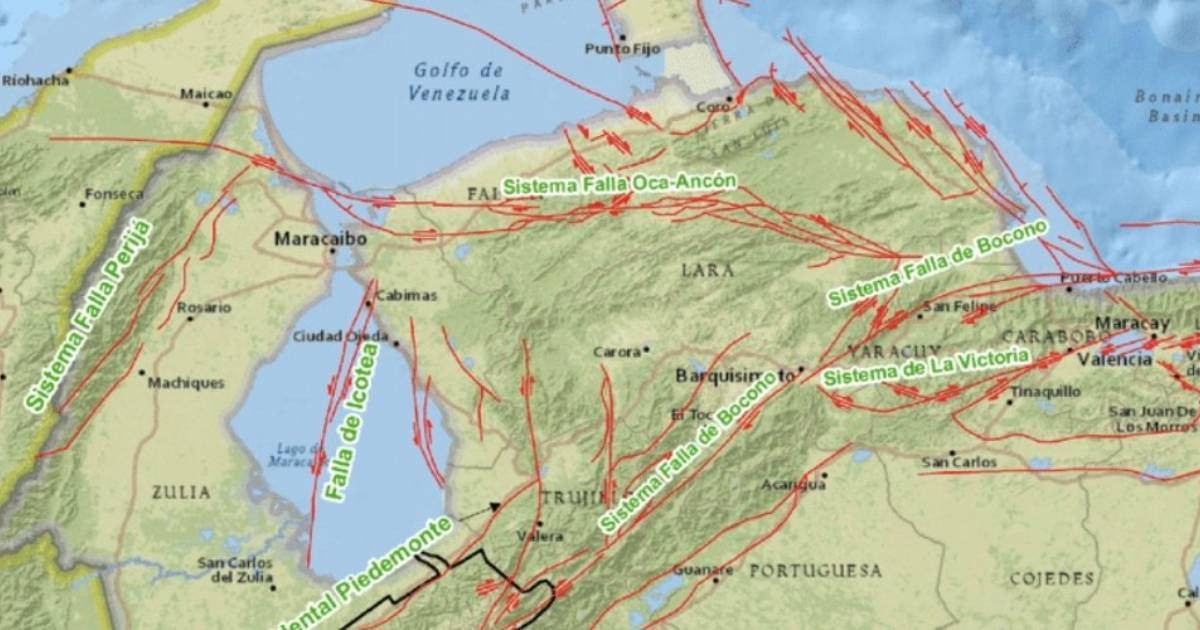
Venezuelan geological engineer Luiraima Salazar provided some reassurance on Monday, affirming that although the sequence of aftershocks from the catastrophic June 24th earthquakes continues, most tremors are no longer detectable by the general public.
In her eleventh seismic report shared on social media platform X, Salazar sought to calm Venezuelans who remain vigilant about the ongoing tectonic activity.
"First and foremost, I want to offer a sense of calm. The aftershock sequence remains active, but most are no longer perceptible to the populace. This doesn't imply the Earth has ceased moving; rather, the tectonic adjustment persists with numerous microseisms and low-magnitude quakes gradually releasing stress," she conveyed.
The report, updated as of 10:15 AM (Venezuela time), noted that dozens of quakes were recorded in the past 24 hours, predominantly with magnitudes between 2.0 and 3.0, with only a few exceeding that range.
Seismic Activity Shifts Westward
The strongest aftershocks were pinpointed in Urdaneta (3.9), San Felipe, Yaracuy state (3.2), Naiguatá in La Guaira (3.1), Boca de Aroa in Falcón (3.1), and San Carlos in Cojedes state (3.0).
Salazar clarified that seismic activity is beginning to shift westward across the country, emphasizing that this should not be interpreted as a precursor to another significant earthquake.
"This does not indicate the earthquake is extending westward nor does it predict a larger event in that area. What we're witnessing is a redistribution of stress across an interconnected fault system, which is expected after a major earthquake," she explained.
Understanding the Tectonic Dynamics
The geologist pointed out that the observed pattern aligns with the stress redistribution between the Caribbean and South American tectonic plates, a typical process following a high-intensity seismic event.
These movements occur twelve days after the 7.2 and 7.5 magnitude earthquakes that struck northern Venezuela within a mere 39-second interval, the most destructive in the nation in over a century. Since then, approximately a thousand aftershocks have been recorded, including several over magnitude 4, initially halting some rescue operations temporarily.
The latest official figures report 3,535 fatalities, 16,740 injuries, and over 17,800 individuals displaced, as recovery efforts continue in the hardest-hit areas.
Concluding her report, Salazar reiterated that the aftershocks could persist for days or even weeks, although the trend points to progressively weaker movements. She urged the public to stay informed solely through scientific and official sources to avoid misinformation and rumors about the seismic activity's progression.
Frequently Asked Questions About Venezuela's Earthquake Activity
What is the current status of aftershocks in Venezuela?
The sequence of aftershocks is still active, though most are not perceptible to the general population. The process involves numerous microseisms and low-magnitude quakes.
Are more significant earthquakes expected in Venezuela soon?
There is no current indication of an impending major earthquake. The observed seismic activity is a result of stress redistribution in the fault system, which is typical after a large earthquake.
How should Venezuelans stay informed about seismic activity?
Venezuelans are advised to rely on scientific and official sources for information to avoid rumors and misinformation regarding the earthquakes' developments.