Social media platforms now serve as vast global marketplaces. They offer useful products, genuine services, and legitimate opportunities. However, they are also rife with deceptions: devices claiming miracles, impossible cures, "guaranteed" investments, fake stores, and supposed inventions that promise to solve long-standing problems within minutes.
One widespread scam involves a device that allegedly cuts gasoline consumption by up to 40%. Advertisers claim manufacturers hide a mechanism that forces drivers to consume more fuel, which this small device supposedly corrects.
Such a claim is patently absurd: if manufacturers could produce cars that use 40% less fuel, they would leverage it as a significant competitive advantage, reaping enormous profits. They would not keep it hidden for decades.
The scam combines pseudoscience, conspiracy theories, and urgency. It lacks independent verification or technical certifications and asks consumers to distrust an entire industry while relying on an emotional video.
The Federal Trade Commission reported that by 2025, nearly 30% of those losing money to scams began their ordeal on social media. These losses exceeded $2.1 billion, with over 40% of victims starting with an online product purchase.
The Dangerous Shift from Commercial to Political Deception
In free societies, commercial scams operate through deceit. Scammers manipulate trust, hope, or greed using fake photos, invented celebrities, or impossible discounts. However, victims have the ability to research, compare, report, request refunds, or warn others. The primary responsibility lies with the deceiver.
There exists a far more perilous form of propaganda: one that not only deceives but is maintained through fear and punishment. This is the propaganda of totalitarian regimes.
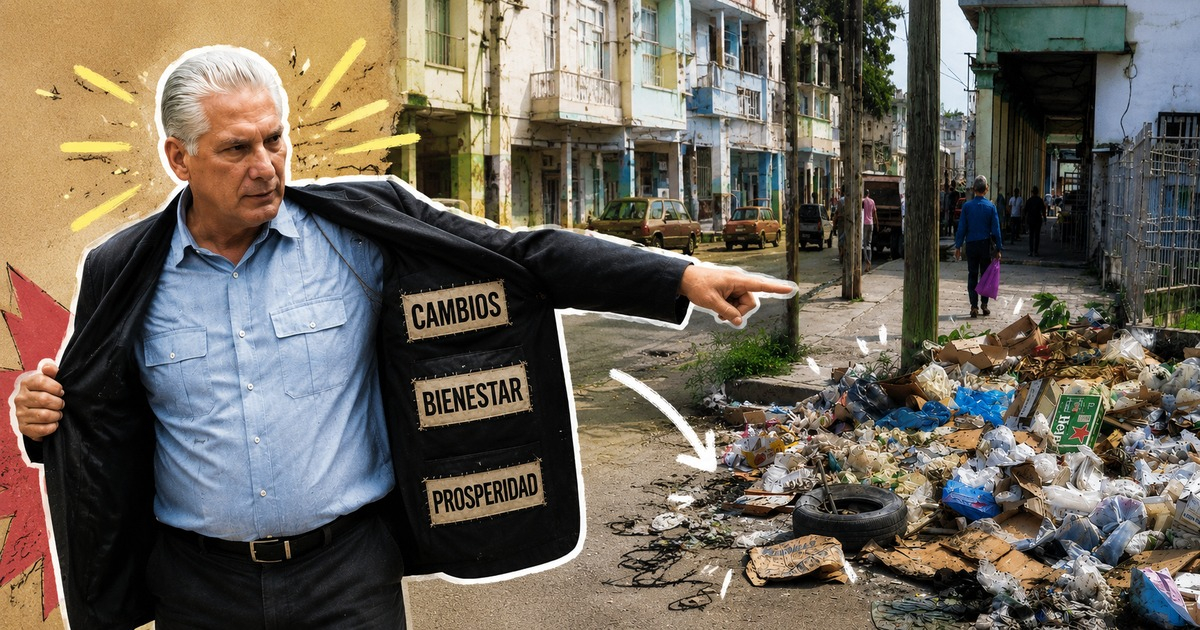
In Cuba, political deception involves equating the Communist Party with the nation, portraying sham elections as democratic, and presenting forced compliance as genuine popular support.
The Cuban Constitution establishes the Communist Party as the “superior guiding force” of society and the state. The existence of other parties is prohibited. If you are not, or do not pretend to be, a communist, political aspirations are impossible.
The fundamental difference with commercial scams lies in coercion. In a dictatorship, avoiding participation in marches, official events, or sham elections can lead to real consequences: marginalization, harassment, job loss, detention, imprisonment, beatings, and torture. Numerous respected human rights organizations have documented arbitrary detentions, intimidation, and repression against dissidents, activists, and regime critics.
Understanding the Impact of Coercion
Many individuals participate not out of conviction but out of fear of reprisals or to protect their families. Fear should not be mistaken for genuine support. When coercion becomes normalized, some justify what they know to be false: "It's not that bad," "Everyone does it," "You have to comply," "It's better to avoid trouble," etc.
Václav Havel explained in "The Power of the Powerless" that totalitarian systems are built upon lies and only persist as long as people choose to live within them. The small business owner displaying a political slogan he doesn't believe in does so not out of conviction but to avoid trouble and demonstrate compliance. The regime requires visible participation, even if feigned.
Mandatory marches, rallies, and elections without choices are not about persuasion; they display obedience. They do not represent the nation; they aim to co-opt it and fabricate false unanimity to intimidate dissenters.
The response to commercial scams is to verify, investigate, and refuse to pay for empty promises. The response to political deception demands something deeper: breaking free from living in lies, rejecting harmful obedience, and not participating in the organizations and activities that sustain the oppressor.
Living truthfully means defending your dignity, expressing your genuine feelings, fighting for your rights, and advocating for the freedom and well-being of the nation. Do not let yourself be duped by false commercial propaganda nor become a docile tool of a criminal dictatorship.
Understanding Political and Commercial Deception
What are the common types of scams found on social media?
Common scams on social media include miracle devices, impossible cures, guaranteed investments, fake stores, and inventions that claim to solve long-standing problems quickly.
How can consumers protect themselves from commercial scams?
Consumers can protect themselves by verifying claims, conducting independent research, checking for technical certifications, and refusing to pay for unproven promises.
What distinguishes political deception from commercial scams?
Political deception in totalitarian regimes is maintained through coercion, fear, and punishment, rather than simple deceit, as seen in commercial scams.
How does the Cuban regime use propaganda to maintain control?
The Cuban regime uses propaganda to equate the Communist Party with the nation, present sham elections as democratic, and portray forced compliance as genuine popular support.