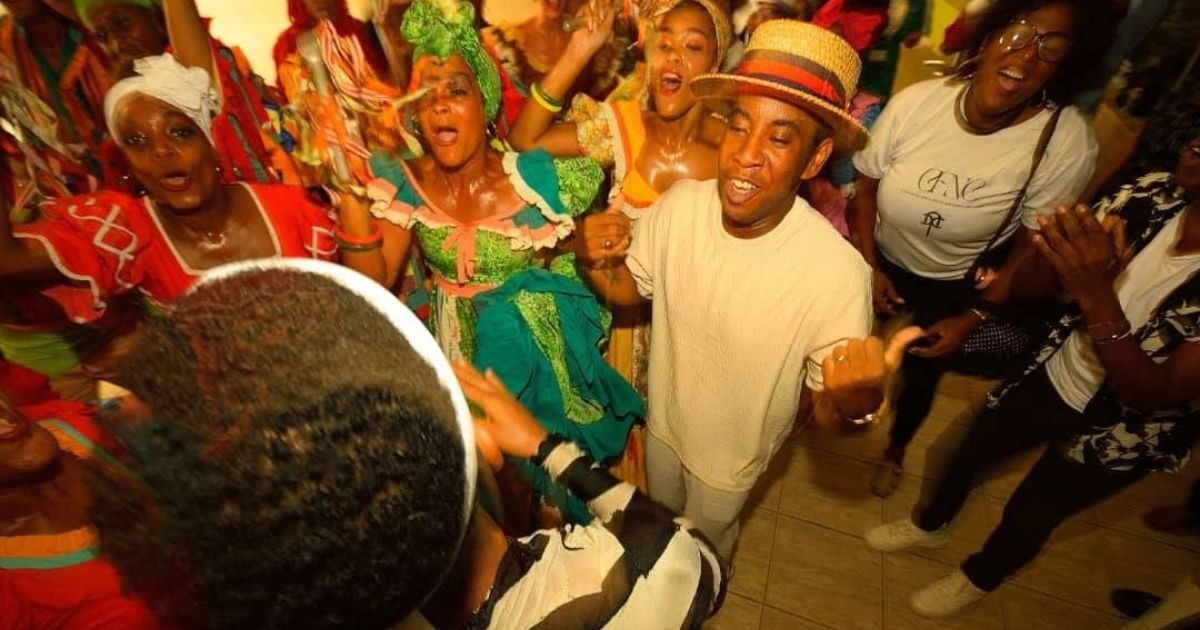
The teachings, knowledge, and practices of the National Folkloric Ensemble of Cuba (CFNC) have recently been recognized as Intangible Cultural Heritage of the Nation. This accolade was granted during the closing ceremony of the Second International Congress on Cultural Heritage Protection, held in Havana from June 30 to July 2.
This prestigious recognition was awarded by the Cuban National Council of Cultural Heritage, supported by the Ministry of Culture and the Office of the Historian of the City of Havana. The event took place at the National Museum of Fine Arts and featured the First International Symposium on Intangible Cultural Heritage, with participation from UNESCO's World Heritage Center.
Leiván García Valle, the artistic and general director of the CFNC, shared the milestone on social media, stating, "Yesterday marked a day I will cherish forever among the most significant in my life. After years of dedication, commitment, and perseverance, we succeeded in having the teachings, knowledge, and practices of the National Folkloric Ensemble declared as Intangible Cultural Heritage of the Nation."
Having taken the helm of the institution in February 2023, succeeding maestro Manolo Micler who led it for over two decades, García Valle emphasized the collective nature of this achievement: "This award is for Cuba and for all those who, with dedication, passion, and sacrifice, have left their sweat on the floor of the National Folkloric Ensemble. It recognizes those who were, those who are, and those who will be, upholding and enriching this invaluable legacy."
The declaration does not solely refer to the artistic repertoire of the company but specifically highlights its teachings, knowledge, and practices, thus acknowledging the educational and cultural transmission role the institution has maintained for over sixty years.
Acknowledgment Sparks Cultural Reverberations
The announcement has resonated widely within Cuba's cultural sphere. Viengsay Valdés, principal dancer and general director of the National Ballet of Cuba, sent a public letter of congratulations to García Valle, describing the designation as "well-deserved and necessary." She emphasized that it was not only a recognition of years of diligence, dedication, and commitment but also a tribute to the ensemble's foundational days as a crucial institution dedicated to rescuing, preserving, and safeguarding the most authentic aspects of Cuban culture and traditions.
Established on May 7, 1962, by ethnologist Rogelio Martínez Furé and Mexican choreographer Rodolfo Reyes Cortés, the CFNC was created to systematize Cuban dance and musical roots—particularly those of African origin such as Yoruba, Congo, and Abakuá—through modern theatrical presentations. Its debut performance occurred on July 25, 1963, at the Mella Theater. Over its 64 years of existence, the institution has embarked on more than 80 international tours.
Context of Cultural Recognition
This declaration comes amid a series of acknowledgments of Cuban intangible heritage: the rumba was announced as Intangible Cultural Heritage of Humanity by UNESCO in November 2016, and Cuban Son received the same honor in December 2025. The CFNC's recognition follows recent losses in Cuba's folklore community: Alfredo O'Farrill, an essential figure with over 30 years in the ensemble, passed away in Havana in 2025, and Amado Dedeu Hernández, founder of Clave y Guaguancó and a Latin Grammy winner in 2001, died on February 15, 2026.
"We celebrate a collective achievement that acknowledges the strength of our roots, the richness of our traditions, and the value of an institution committed to preserving and conveying Cuban culture," García Valle concluded in his message.
Understanding Cuba's Intangible Cultural Heritage
What constitutes Intangible Cultural Heritage?
Intangible Cultural Heritage refers to practices, representations, expressions, knowledge, and skills that communities recognize as part of their cultural heritage. It is passed down through generations and is constantly recreated by communities in response to their environment.
Why is the National Folkloric Ensemble's recognition significant?
The recognition highlights the Ensemble's efforts in preserving and transmitting Cuba's cultural and artistic heritage, particularly focusing on African-rooted dance and music traditions, which are crucial to the nation's cultural identity.