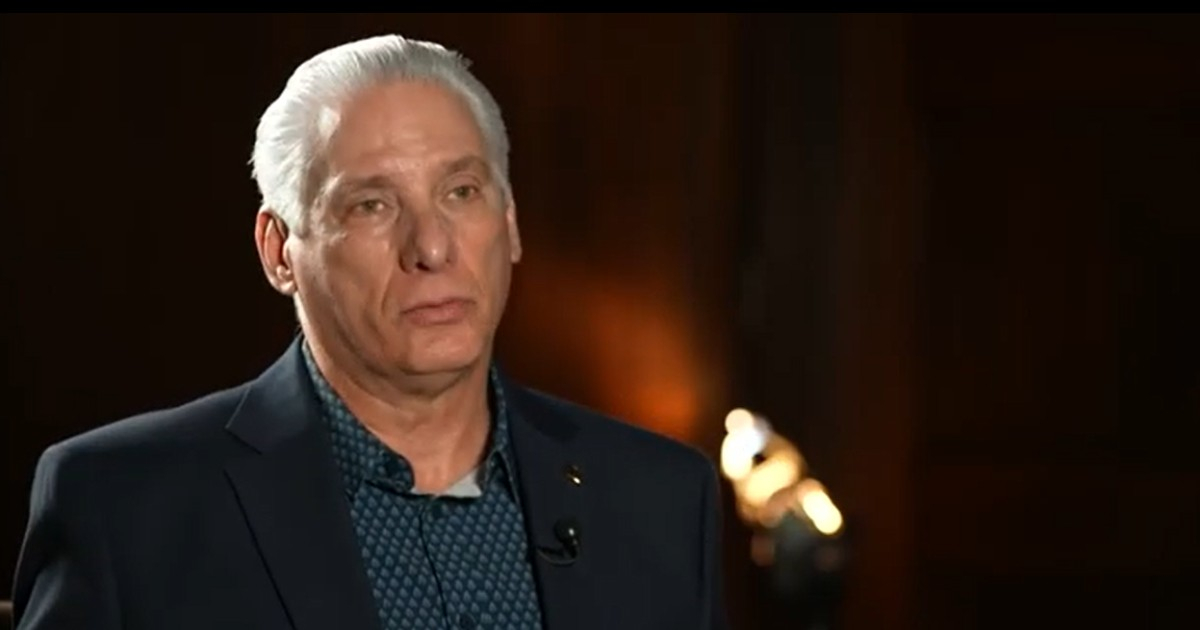
Elizabeth González Aznar, a Cuban citizen, recently took to Facebook to pen a heartfelt open letter to the nation’s leader, Miguel Díaz-Canel. Her poignant inquiry echoes the sentiment of countless others: why should the Cuban people place their trust in him and his administration?
This correspondence comes on the heels of the announcement of 176 economic measures approved by the National Assembly on June 18, 2026. This is the most significant reform package since the dire Special Period of the 1990s, yet González Aznar responds with skepticism and hurt.
Trust Must Be Earned
"Trust, Mr. President, is something you earn," González Aznar states. She emphasizes that qualities like responsibility, loyalty, and consistency build trust, whereas lies, betrayals, and erratic behavior undermine it.
For González, trust cannot be demanded without delivering results. Reflecting on eight years of governance, she argues that the outcomes speak volumes: "The lives of ordinary people have deteriorated to the point where we no longer live—we merely survive, or rather, barely hang on."
An Unmet Promise of Basic Services
She paints a stark picture: "Today, after eight years, we still lack any guarantee of basic services—electricity, water, gas, transportation, food, and healthcare."
Adding to this bleak scenario, essential goods like food and medicine are available only at exorbitant street prices, beyond the reach of average salaries. Meanwhile, the regime has fortified an elite class living a vastly different reality: "We've arrived at a Cuba more divided than ever, with an elite enjoying privileges. An elite that your policies have bolstered, living parallel to the people but in another realm, in the other Cuba that exists."
Questioning the Efficacy of New Reforms
In light of the new reform package, González poses a question many Cubans silently ponder: "Will things truly improve now with these 176 measures? Why, Mr. President? Why should we believe this time will be different? Who guarantees it won't be like the countless laws, measures, and programs of the past eight years, many of which have failed?"
One of her most powerful critiques targets the government's complete lack of self-reflection: "It's hard to believe, Mr. President, that after eight years, without any structural changes in your government, you'll now achieve change."
Facing the Reality of Blame
González notes that Díaz-Canel has never acknowledged any responsibility for the ongoing crisis. In interviews, he consistently blames U.S. sanctions for the people's suffering—factors that predate his administration and are not new to his tenure.
She also touches on the controversial suggestion made by Díaz-Canel about "banging pots," urging Cubans to direct their protests at Washington: "This is disheartening because it's essentially a death sentence for the Cuban people, as we can't remove it ourselves, even if we bang pots as you advised. So, as long as it continues, our lives are condemned."
This sentiment is especially poignant, as in October 2025, six individuals in Manicaragua faced up to six years in prison for banging pots during blackouts.
González has been a persistent critic of the regime, questioning everything from the 20-hour power outages to the fuel expenses for political events honoring Raúl Castro.
Her letter concludes with a statement that leaves no room for doubt: "I'm sorry, but time has passed, and with it, our lives have been worsening for eight years, and it’s unjust. So why trust?"
Understanding the Cuban Public's Distrust in Díaz-Canel
Why are Cubans skeptical of Díaz-Canel's government?
Many Cubans are skeptical of Díaz-Canel's government due to a perceived lack of results over the past eight years, deteriorating living conditions, and the absence of basic services.
What are the 176 economic measures recently announced?
The 176 economic measures, approved by the National Assembly, represent the largest reform package since the 1990s. However, details on their specific content and impact remain unclear, leading to public skepticism.
How has the Cuban elite benefited from the current regime?
Critics argue that the Cuban elite has thrived under Díaz-Canel's administration, enjoying privileges and a quality of life vastly different from the average Cuban, partly due to policies that have bolstered their status.
What was Díaz-Canel's controversial suggestion about protests?
Díaz-Canel controversially suggested that Cubans should direct their protests against the United States by banging pots, a statement seen by many as dismissive of the people's grievances and ineffective in addressing their struggles.