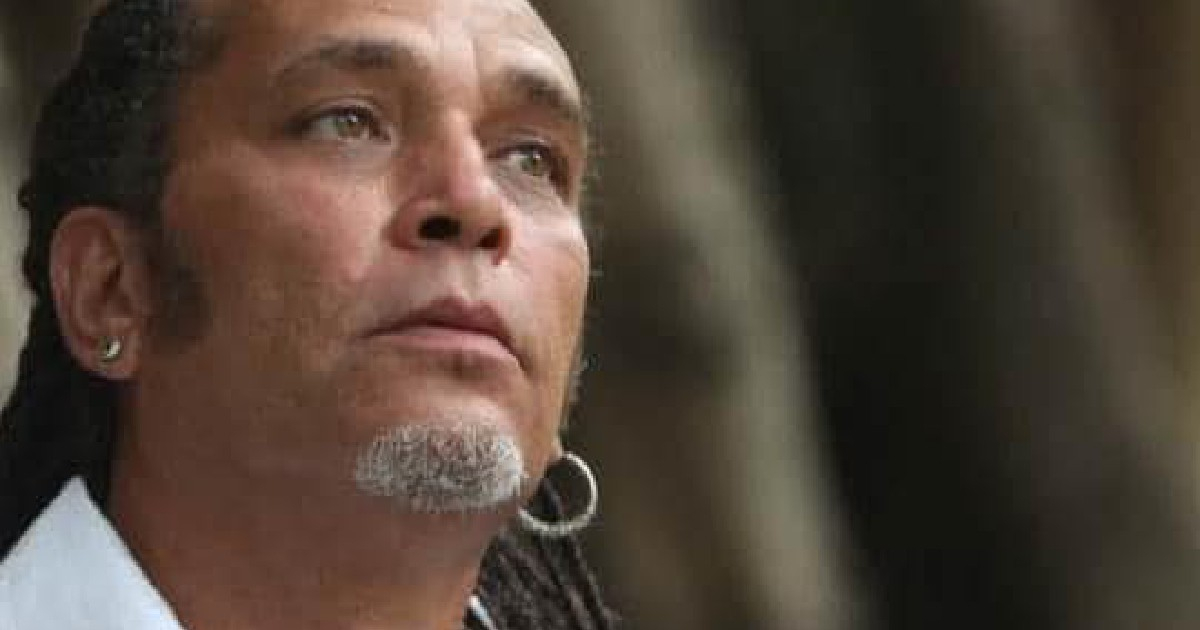
Cuban actor Luis Alberto García Novoa took to Facebook on Sunday to express his frustration over enduring 34 continuous hours without electricity or water at his home. His daughters were left sleeping on the floor, vulnerable to mosquitoes and unable to enjoy cold water.
"34 continuous hours without power and water. My girls are once again sleeping on the floor, eaten alive by mosquitoes, and unable to drink cold water. A piece of advice: Don't make it so easy to not be revolutionary," García wrote. This statement is among the most politically charged criticisms he's directed at the regime.
His final words are telling; they imply that the government's failure to provide basic services is creating opposition among those who once supported it.
This recent complaint comes just 11 days after García warned the regime that he would not remain silent about the power outages. He previously described a 48-hour stretch without electricity or water due to a transformer failure in his building in the Playa municipality of Havana.
Escalating Crisis in Cuba's Power Infrastructure
Continuing his calls for accountability, García, on July 1, shared a technical analysis explaining how prolonged outages harm the country's electrical transformers. He concluded that "sisepuedismo cannot overcome common sense."
Following this, he highlighted rising crime rates and criticized the Ministry of the Interior for focusing more on political repression than on tackling everyday crime.
The situation García describes is far from unique; it mirrors a nationwide electrical collapse of unprecedented scale. In July, Cuba has faced a shortfall of 2,050 to 2,206 MW, with only 944 to 1,100 MW available to meet a demand of 3,200 MW.
Eleven thermoelectric units are simultaneously out of service, and the Antonio Guiteras plant, the country's largest, has suffered 17 breakdowns this year alone, with the most recent shutdown occurring last Friday.
Impact on Cuban Daily Life
The repercussions are severe for the public: in Matanzas, power cuts have lasted up to 87 hours continuously; in Havana, outages exceed 30 hours; and on the Isle of Youth, residents receive merely two hours of electricity daily.
The absence of power also halts water pump operations, forcing people to store water in containers, a condition that facilitates the spread of the Aedes aegypti mosquito, thus raising the risk of dengue amid the summer heat.
Energy Minister Vicente de la O Levy has acknowledged that Cuba operated without fuel reserves from December 2025 to May this year. Independent experts suggest that restoring the electrical system would require between $8 billion and $10 billion, a sum the regime lacks and has no prospects of securing.
García, with over 40 years of experience in film, theater, and television, resides in Cuba and personally endures the hardships he criticizes. He has emerged as a prominent figure in Cuba's cultural dissent, frequently asserting that his decision to remain on the island does not equate to silence or complicity.
On June 22, he directly challenged the regime: "Do you have any plans to make our lives a little less miserable for July and August? And for the rest of our days?"
As of this Sunday, the government's response has been silence, compounded by an additional 34 hours of darkness.
Frequently Asked Questions about Cuba's Power Crisis
What prompted Luis Alberto García's recent criticism of the Cuban government?
García criticized the government due to enduring 34 hours without electricity or water, which he shared publicly as a reflection of the regime's failure to provide basic services.
How widespread is the power outage issue in Cuba?
The power outage problem is widespread, with some areas experiencing up to 87 hours of continuous outages, indicating a severe national energy crisis.
What are the broader implications of the power outages in Cuba?
Beyond the lack of electricity, the outages also prevent water pumps from operating, worsening public health risks by increasing mosquito-borne diseases like dengue.