This past Saturday, the pro-government website Cubadebate published a version of an AP news agency report, attributing the severe shortage of medical supplies for cancer patients in Cuba to Washington's sanctions. The report highlighted the case of Irisleydis Tristá, a 34-year-old woman who has been unable to track the progress of her tumor for four years.
Tristá, a mother to a 13-year-old son living in Batabanó, approximately 70 kilometers south of Havana, has undergone two surgeries and multiple radiotherapy sessions to battle a tumor compressing her vena cava.
In recent months, however, she has been unable to get a CT scan because the equipment at Hermanos Ameijeiras Hospital, a key medical facility in Cuba, is out of service due to a lack of parts.
"I feel like my life is in danger," Tristá told AP through tears. "I don't know if the tumor has grown. We have no way of knowing."
The report, as portrayed by Cubadebate, places responsibility on the U.S. "energy blockade" for the crisis, which worsened after the capture of former Venezuelan President Nicolás Maduro by U.S. forces on January 3.
Since then, the White House has threatened countries that supply fuel to Cuba and tightened trade measures against Havana, which according to the report, has limited the arrival of medicines and medical technology to Cuban ports.
What the official narrative fails to mention is that the deterioration of Cuba's healthcare system is structural and predates the recent sanctions. Cancer patients were already being sent home without chemotherapy in Ciego de Ávila since October 2025 due to a lack of basic equipment.
Cuban hospitals are suffering severe shortages of syringes, gauze, vaccines, reagents, anesthetics, and cytostatics, in addition to parts for dialysis machines and scanners.
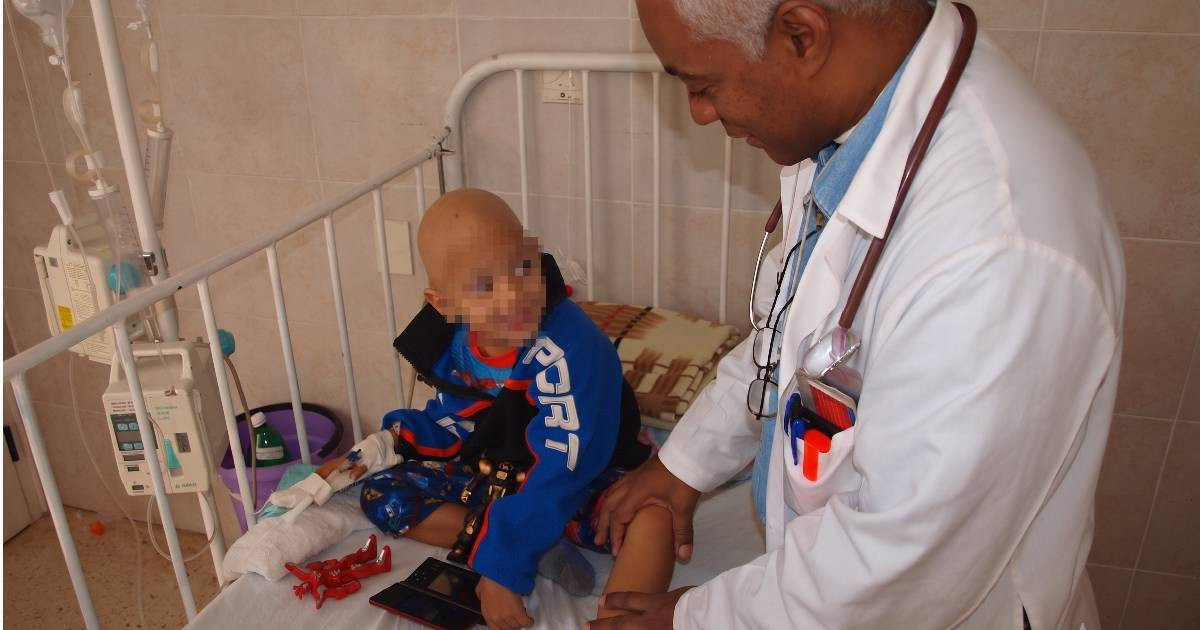
One of the most alarming revelations of the report is the impact of the sanctions on minors. According to an official report from June, the survival rate for children with cancer dropped from 85% to 65% compared to levels before the sanctions were tightened.
Dr. Yolainy Romero Rodríguez, a specialist at the Oncology Hospital in Havana, told AP that they have had to replace first-line drugs with less effective second and third-line alternatives.
"We've had children die. Two so far this year," the doctor lamented. "This situation is terrible."
She also noted that children from distant provinces must travel to the hospital every 21 days, but "sometimes a week or even 15 days pass when they can't come due to fuel issues."
Adriana Felipe García, the mother of Nashly Zerquera, a four-year-old girl with cancer from Sancti Spíritus, 350 kilometers from Havana, described the situation succinctly: "It's very tough."
According to data from the Pan American Health Organization (PAHO) and the World Health Organization (WHO), around 16,000 cancer patients in Cuba need radiotherapy, and 12,400 require chemotherapy, but the system's infrastructure can only support about 9,000 patients annually.
Mario Cruz Peñate, a representative of both organizations on the island, acknowledged to AP that the fuel shortage is creating "quite significant distortions" in the health services, affecting "not only the service but the entire process surrounding continuity of care."
The contrast between the regime's propaganda and the harsh reality is stark. On June 4, the ruler Miguel Díaz-Canel and Prime Minister Manuel Marrero inaugurated an outpatient unit at the National Oncology Institute as a propaganda act while the system crumbles.
This past Saturday, the regime itself admitted that health indicators have plummeted to unprecedented levels, with infant mortality doubling to 9.3 per 1,000 live births, over 100,000 people awaiting surgeries, and only 30% of the basic medication list available on the island.
Impact of U.S. Sanctions on Cuban Healthcare
How have U.S. sanctions affected medical supply availability in Cuba?
U.S. sanctions have limited the import of medical supplies and technology to Cuba, exacerbating shortages of essential items such as syringes, vaccines, and parts for medical equipment.
What is the effect of the healthcare crisis on cancer patients in Cuba?
Cancer patients face severe challenges due to the lack of medical supplies and equipment. Many cannot receive necessary treatments like chemotherapy and radiotherapy, affecting their survival rates.
What other factors contribute to the healthcare crisis in Cuba?
The healthcare crisis in Cuba is also due to systemic issues within the country's healthcare infrastructure that predate the recent sanctions, such as inadequate equipment and resource allocation.