The Cuban government has declared that years spent caring for family members can be recognized as work time when calculating retirement benefits, with a maximum of 10 years. This announcement was made by Jesús Otamendiz Campos, the Minister of Labor and Social Security, last Friday during the Mesa Redonda program.
This initiative is part of a broader package of 176 economic and social reforms approved by the National Assembly of People's Power on June 18 and 19, 2026, covering 23 thematic areas.
Details of the New Provision
Minister Otamendiz elaborated on the specifics of the policy: "If you need to have worked 30 years to qualify for retirement, up to ten of those years can be attributed to time spent on family care," provided there is evidence to support this contribution.
The minister described the policy as "deeply humane," noting that it will primarily benefit women, who often bear the heavy burden of household care responsibilities.
Impact on Cuban Women
Otamendiz acknowledged that many women who have been affected by this situation include "teachers, doctors, scientists, and academics of great value and humanism" who had to pause their professional careers to take on caregiving roles, hindering their ability to accumulate the formal work years required for pension eligibility.
The government is still developing the procedures to legally certify this caregiving time, with an eye towards practices in other regional countries.
Implementation Timeline and Broader Context
The minister noted that this measure is expected to be in place before the comprehensive update of the Social Security Law, scheduled for 2027.
The transformation was designed with input from the Technical Advisory Council of the Ministry of Labor, which includes academics from the University of Havana, the faculties of Economics and Sociology, and the CUJAE.
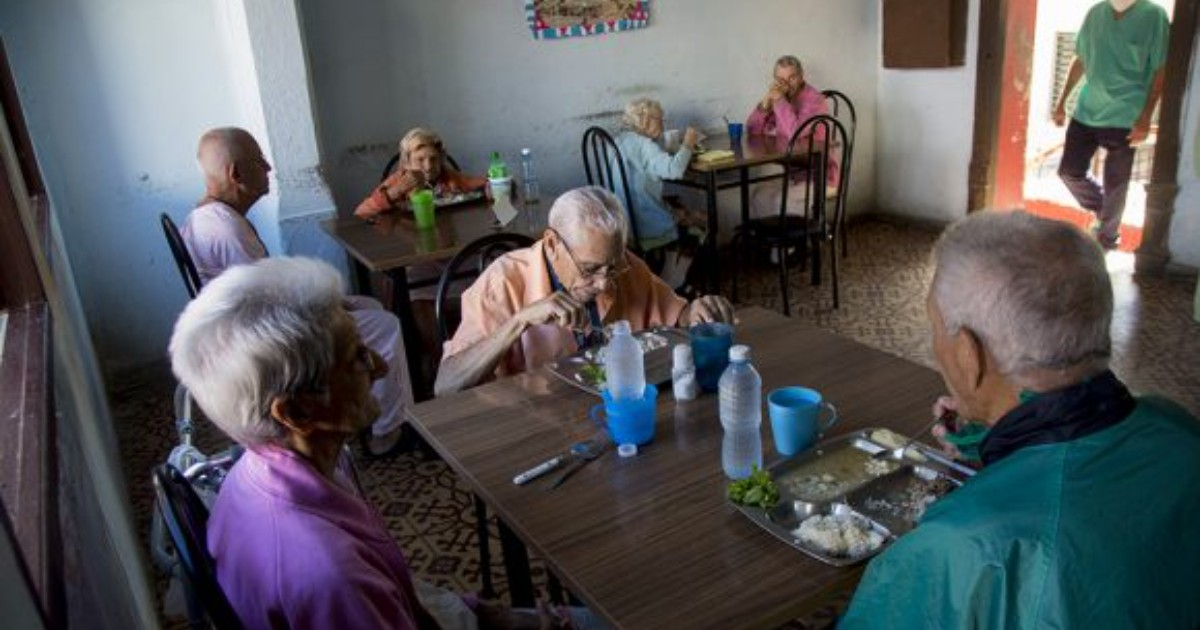
This policy also addresses the severe demographic crisis facing the island. Cuba currently has the oldest population in Latin America, with 25.7% of its citizens over the age of 60 as of the end of 2024 and a fertility rate of just 1.29 children per woman.
Challenges of an Aging Population
In 2025, only 68,051 children were born, the lowest number on record, while deaths nearly doubled the number of births.
This rapid aging is placing immense pressure on an already strained pension system: the minimum pension stands at 4,000 pesos a month, less than $10, against a basic consumption basket estimated at 12,000 pesos.
Approximately 90.7% of retirees continue to work post-retirement, mostly within the informal economy, to supplement their insufficient incomes.
Expanding Previous Legislation
This new acknowledgment of family caregiving expands on the provisions of Decree-Law 121 from February 2025, which already considered time spent caring for children with severe disabilities as computable service time for retirement.
Otamendiz described the measure as "a concrete response to the advancement program for women, the country's demographic situation, and the care system we aim to implement and develop in the coming years in Cuba."
Understanding Cuba's Pension Reforms
What is the maximum amount of family care time recognized for retirement in Cuba?
The Cuban government will recognize up to 10 years of family care as work time for retirement purposes.
Who benefits the most from the new retirement policy?
The policy is expected to primarily benefit women, who often carry the majority of caregiving responsibilities at home.
Why is this reform necessary for Cuba?
The reform is necessary due to Cuba's aging population and the pressure on its pension system, as well as to support those who have had to leave the workforce for caregiving duties.