The state-run transportation system in Camagüey is in a state of collapse. Previously accommodating 350,000 passengers daily under normal conditions, the number has drastically fallen to just 15,000, marking a staggering reduction of nearly 95.7%. This was acknowledged on Thursday by Miguel Arias Vázquez, the provincial delegate of the Ministry of Transportation.
Arias Vázquez attributed this dramatic decline primarily to a severe fuel shortage. However, he emphasized that this is not the sole issue, as the lack of tires, batteries, and other essential parts further cripples the operational capability of the fleet, as reported by the official newspaper Adelante.
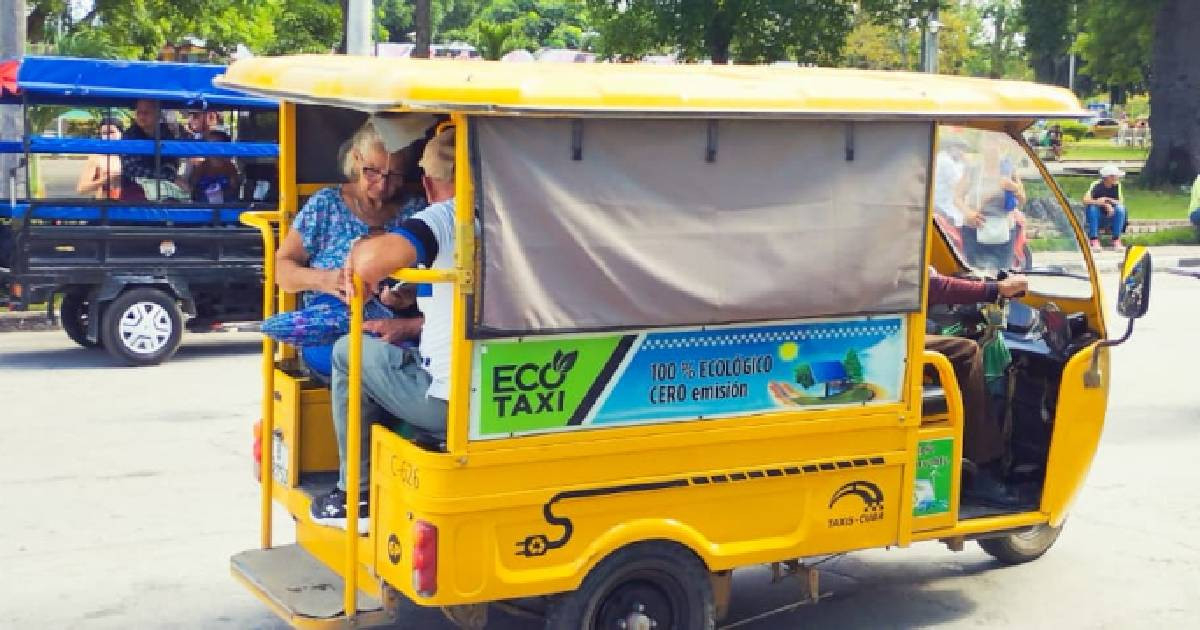
In an attempt to mitigate the situation, 15 electric tricycles and 10 microbuses from the Chinese brand Fotón have recently been allocated to the province. These are prioritized for use on major city routes during morning hours.
The official admitted that these additions are clearly insufficient. Buses are only completing a single route in the morning and one in the afternoon, and not all established routes are being serviced.
Transport links between the provincial capital and other municipalities have come to a complete standstill, with the sole exception being the operation of Medibus vehicles on Tuesdays and Thursdays. These are designated for transporting patients to main hospitals in Camagüey.
In the absence of state transport, private operators have stepped in, charging what the delegate described as "extremely harmful" fares for the public.
Arias explicitly stated that "the fare remains at 50 pesos per official segment, and any charge above this is a violation."
However, irregular charges continue. Authorities have confiscated between 20 and 30 tricycles for illegal operations and discovered a particularly severe infraction: drivers operating without a license. Of the 16 active transport hubs in the city, only four have been approved by the Traffic Engineering Department.
Amidst this chaos, the government plans to introduce an additional 10 electric tricycles to ensure the transportation of over 250 patients undergoing hemodialysis treatment in Camagüey. However, the provincial delegate did not specify when this would occur.
The situation in Camagüey mirrors a broader national transportation crisis. Cuba ceased receiving imported oil from Venezuela and Mexico between December 2025 and April 2026.
Since June 18, the Ministry of Transportation has implemented the most severe cuts to date. Interprovincial buses have been reduced to three weekly departures, trains to the eastern regions are running every 16 days, and open ticket sales have been replaced by a provincial allocation system prioritizing medical appointments or family bereavements.
Nationally, state passenger transportation saw a 93% decrease between January and September 2025, according to government data. In Ciego de Ávila, by March 2026, only two out of 135 bus routes were operational.
Addressing the Transportation Crisis in Cuba
What caused the severe decline in Camagüey's transportation system?
The decline is primarily due to a severe fuel shortage, compounded by a lack of essential parts such as tires and batteries, which has rendered much of the fleet inoperable.
How is the government attempting to address the transportation issues in Camagüey?
The government has introduced 15 electric tricycles and 10 microbuses to mitigate the issue, although these measures are not sufficient given the scale of the problem.
What is the situation of private transportation operators in Camagüey?
Private operators have filled the void left by the state, but they charge high fares, which are considered damaging to the public. Authorities have taken measures against illegal operations.