Three years after the Cuban government mandated compulsory banking reforms, the state-run newspaper Venceremos from Guantánamo acknowledged on Friday that the cash crisis has escalated into a "social problem," highlighting the failure of a policy that was supposed to modernize Cuba's economy.
The Reality Behind Cuba's Banking Crisis
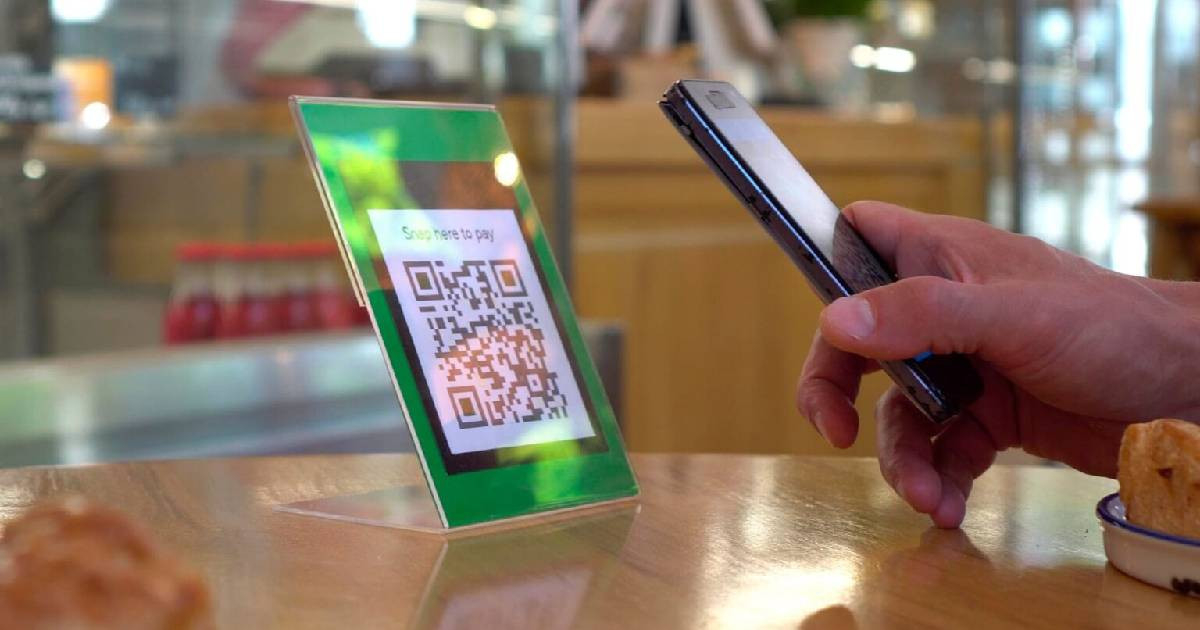
The paradox described by the official media is stark: although hundreds of thousands of Cubans receive their salaries on time through bank cards, they cannot translate this into actual purchasing power. This is due to businesses refusing electronic transfers, empty ATMs, and physical money circulating mainly in informal markets.
Venceremos pointed out an even more concerning issue: a crisis of trust. Consumers doubt they can use their payment methods effectively; merchants seek alternative ways to ensure liquidity, and the public feels that solutions are not arriving swiftly enough to meet urgent needs.
Personal Stories Highlight the Crisis
A recent example of this systemic collapse is the case of 74-year-old retired journalist Arturo Chang. He attempted to buy ten loaves of bread at a private business in Santa Clara with 100 five-peso bills, money he received as his pension from the state bank. The employee's refusal, stating that "this is private and the owner can make that decision," underscores the absurdity of the current system.
Chang receives a maximum pension of 3,653 Cuban pesos monthly, which is less than ten dollars. He described in the newspaper Trabajadores how, amidst a blackout and empty refrigerators, those loaves and a can of spam were his hope for a meal.
Government Responses and Public Outcry
On the same day, the Banco de Crédito y Comercio (Bancec) in Ciego de Ávila issued a statement demanding that small and medium-sized enterprises (SMEs) and self-employed workers stop rejecting five, ten, and twenty-peso bills, labeling it a "flagrant violation of citizens' rights."
The public response was swift: "If it's a law, there's no need for a call to conscience. It should be enforced without leniency."
Data Reflects a Structural Failure
According to a survey conducted in May, less than 10% of SMEs and private workers in Sancti Spíritus accepted electronic transfers as a regular payment method. In Pinar del Río, only 10% to 12% of the approximately 700,000 monthly transactions were executed digitally. Nationwide, just 3.77% of transactions are digital, despite over 26,500 deficiencies detected, 15,240 fines issued, and 269 establishments closed.
In June, citizen Freddy De León López took three days to withdraw just 40% of his salary due to cashless ATMs and system outages. When he finally succeeded, a private business refused his electronic payment.
By May, over 50% of ATMs in Havana were non-functional, and the Banco Metropolitano had lowered the withdrawal limit to 3,000 pesos per transaction, below the legal limit of 5,000 pesos set in 2023.
Informal Solutions and Their Impact
"Cash extraction 'by percentage'," with commissions ranging from 35% to 50%, has become the norm for liquidity. In May, the police in Santiago de Cuba arrested individuals charging these fees for converting electronic transfers into cash.
The burden falls heaviest on the most vulnerable. Over 1.7 million retirees receive pensions of less than ten dollars a month, lack smartphones, and queue from five in the morning at bank branches.
Chang aptly summarized the situation: "Undoubtedly, it's a chain where the link that always breaks is the customer's, especially the elderly."
Government's Attempt at Reform
On June 19, the regime approved a package of 176 measures, including, for the first time since 1959, the authorization of private banking and the removal of withdrawal limits. However, these reforms come at a time when the banking system is already in disarray. The Central Bank's director of macroeconomic policies conceded in May: "If electronic payment isn't easier or faster than cash, it won't catch on."
Cuban Banking System and Economic Challenges
What led to the cash crisis in Cuba?
The cash crisis in Cuba arose from the government's mandatory banking reforms, which were intended to modernize the economy but led to severe cash shortages as electronic payments are not widely accepted.
How have businesses and citizens responded to the cash shortage?
Both businesses and citizens have struggled with the cash shortage, leading to a reliance on informal markets for cash and a general lack of trust in the banking system's ability to meet their needs.
What measures has the Cuban government taken to address the banking crisis?
In response to the crisis, the Cuban government has introduced 176 reforms, including the permission for private banking and the lifting of withdrawal limits. However, these measures have been criticized for being too late.