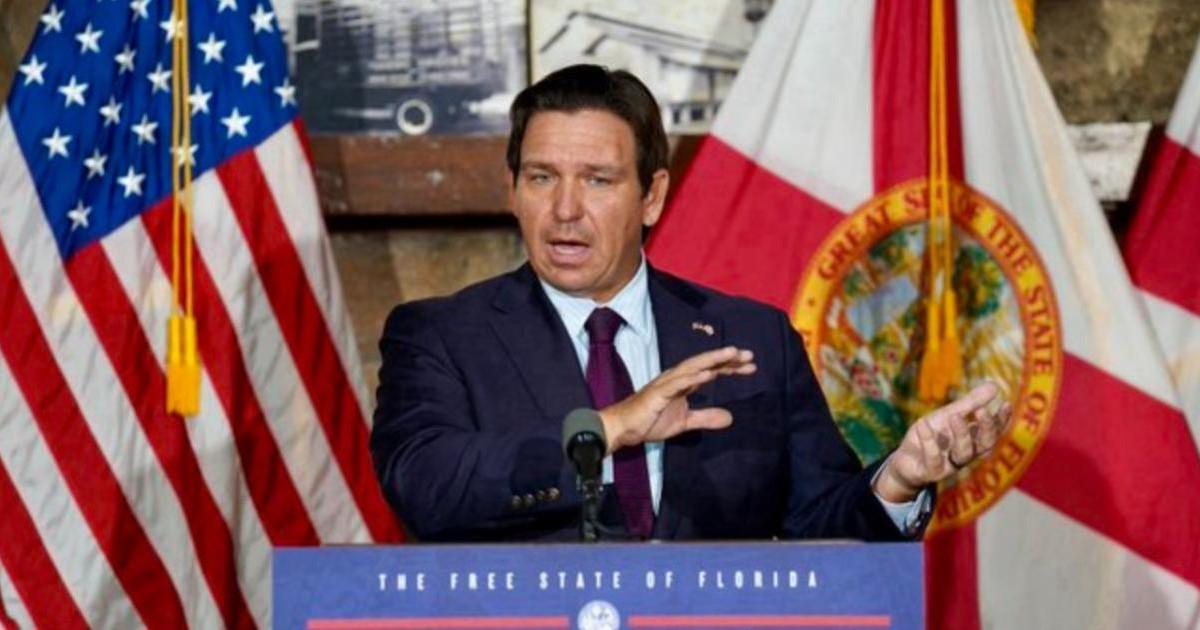
On Wednesday, July 1, over 87 new criminal laws signed by Governor Ron DeSantis took effect in Florida, marking significant changes to the state's justice system. These reforms range from harsher penalties for domestic violence to the classification of crimes involving artificial intelligence.
According to a report from Telemundo 51, the reforms target four main areas: repeat domestic violence offenses, mandatory detention for those convicted of violent crimes, restrictions on sexual predators, and new crimes related to the use of artificial intelligence against minors.
Missy's Law: No Bail for Violent Offenders
One of the most notable pieces of legislation is Missy's Law (HB 445), signed by DeSantis on April 2 in Tampa. This law is named after Melissa "Missy" Mogle, a five-year-old from Tallahassee allegedly murdered in May 2025 by her stepfather, Daniel Spencer, who was awaiting sentencing for a prior sexual offense and was out on bail at the time.
DeSantis described this case as "entirely preventable, a failure of the justice system." The law mandates that individuals convicted of dangerous crimes—such as homicide, child abuse, sexual assault, and child sexual abuse material—remain detained without bail while awaiting their final sentencing.
Attorney Erick Cruz explained that the law "removes the discretion judges have to allow individuals to remain out on bail while they await sentencing or appeal."
Domestic Violence: Tougher Penalties and Electronic Monitoring
The HB 277 law enacts stricter penalties for repeat offenders of domestic violence. Cruz highlighted that "the penalties for individuals with a criminal history related to domestic violence will become much more severe."
Additionally, the law initiates a pilot electronic monitoring program with GPS for repeat offenders in Pinellas County, providing automatic alerts to authorities if the offender enters restricted zones.
The financial support for victims has also increased, offering up to $2,500 per incident—up from $1,500—and a lifetime maximum of $5,000, previously set at $3,000. Aggravating factors for restraining orders have been expanded to include threats to family pets.
Simultaneously, SB 296 introduces a discreet 911 alert system for victims, eliminating the need for a traditional phone call.
Sexual Predators: New Residential Restrictions
The SB 212 law prohibits convicted sexual offenders against minors under 16 from residing within 1,000 feet (approximately 305 meters) of public pools, including those in apartment complexes and government facilities, as well as parks, playgrounds, and daycare centers.
Law enforcement can arrest offenders without a warrant if they violate these restrictions. This law applies to both past and future convictions as of July 1, 2026.
Artificial Intelligence and Child Exploitation
The HB 1159 law makes it a second-degree felony to use artificial intelligence to create child sexual abuse material. Distributing synthetic images depicting minors under 12 is classified as a first-degree felony, with a minimum prison sentence of 15 years, and aggravated exploitation of minors of that age can result in life imprisonment.
Furthermore, HB 245 officially replaces the term "child pornography" with "child sexual abuse material" (CSAM) throughout Florida's state legislation, aligning with a national trend recognizing these images as documentation of real crimes.
These reforms are part of a broader legislative package that also came into effect on Wednesday, solidifying one of Florida's most extensive legislative sessions in recent years.
Understanding Florida's New Criminal Laws
What is Missy's Law?
Missy's Law mandates that individuals convicted of dangerous crimes remain detained without the possibility of bail while awaiting their final sentencing.
How does the new law affect domestic violence offenders?
The new law imposes harsher penalties for repeat domestic violence offenders and includes a GPS monitoring program to alert authorities if offenders enter restricted zones.
What are the new restrictions for sexual predators?
The law prohibits sexual predators from living within 1,000 feet of public pools, parks, playgrounds, and daycare centers, with arrests possible for violations without a warrant.
How is artificial intelligence addressed in these laws?
It is now a felony to use AI to create child sexual abuse material, with severe penalties for distribution and aggravated exploitation of minors.