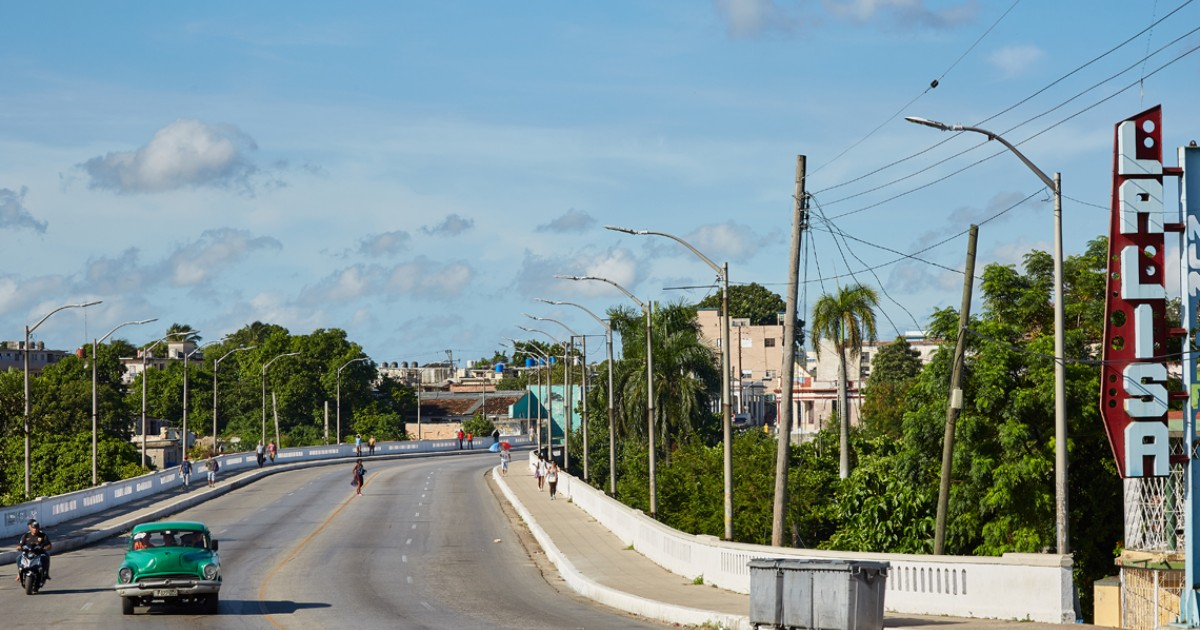
Residents of La Lisa, a district in Havana, gathered outside the local Communist Party of Cuba (PCC) office on Tuesday night, following an uninterrupted 50-hour power outage, as reported by Martí Noticias.
The demonstrators chanted "The people united will never be defeated" and sang the National Anthem in front of the party building, demanding "water, food, and electricity," while also calling for "freedom."
Lucinda González, an activist, played a significant role in the protest. She joined the gathering after hearing commotion and seeing her neighbors head towards the venue. González recounted an encounter with the PCC's general secretary, who attempted to pull her inside; she refused, stating she would remain "here with the people."
During the protest, González engaged in discussions with the party's first secretary and a lieutenant colonel, highlighting the plight of three cancer patients in her block suffering severely from the sweltering heat due to lack of ventilation and refrigeration.
Describing the situation as "infernal," González noted the presence of mothers with their children in strollers, and mentioned having previously warned authorities about the public's mounting frustration over unequal power cuts and shortages.
The area was heavily monitored by police and State Security agents from the onset. According to González, authorities were documenting the event with photos and videos from inside the building, preventing her from using her own phone. "I know there will be trouble because they were taking pictures, making videos," she cautioned before leaving, fearing potential repercussions.
This protest was not an isolated incident in the municipality; just days earlier, La Lisa residents had thrown stones at the San Agustín police station in response to extended blackouts and lack of potable water.
The demonstration in La Lisa is part of a broader wave of protests sweeping through Havana. On the same Tuesday morning, Centro Habana residents banged pots and pans on Salud Street after enduring over 28 hours without electricity or gas.
On Saturday, June 28, inhabitants of Old Havana protested at night, chanting "Freedom!" after more than 40 hours of darkness.
In the Santo Suárez neighborhood, activist Adelth Bonne recorded a video denouncing over 20 hours without power and several days without clean water, forcing residents to collect rainwater to survive.
The energy crisis is dire. For Wednesday, the Electric Union projected that peak-hour generation availability would only meet 34% of demand, leaving a 66% shortfall due to maintenance on five thermoelectric units and fuel shortages.
Cuba's electricity deficit hit a historic high of 2,208 MW on June 25, leaving nearly 70% of the country without power, exacerbated by the halt in Venezuelan oil supplies since January 2026.
The Cuba Conflict Observatory recorded 1,311 protests in May 2026 alone, marking the highest monthly count since July 11, 2021, while the Cuban Observatory for Human Rights documented at least 38 arrests in June, including six minors.
Understanding the Cuban Energy Crisis and Public Response
What triggered the protests in La Lisa?
The protests in La Lisa were triggered by a power outage that lasted over 50 hours, leaving residents without electricity, which led to demands for basic necessities and freedom.
How have the Cuban authorities responded to the protests?
Cuban authorities have responded by monitoring the protests with police and State Security agents, documenting events with photos and videos, and attempting to engage with protestors.
What is the current state of the energy crisis in Cuba?
Cuba is facing a severe energy crisis, with the Electric Union projecting a 66% shortfall in meeting demand due to maintenance and fuel shortages, leading to widespread blackouts.
What historical significance do these protests hold?
The protests in May 2026 represent the highest number recorded since July 11, 2021, reflecting widespread discontent and a significant challenge to the Cuban government.