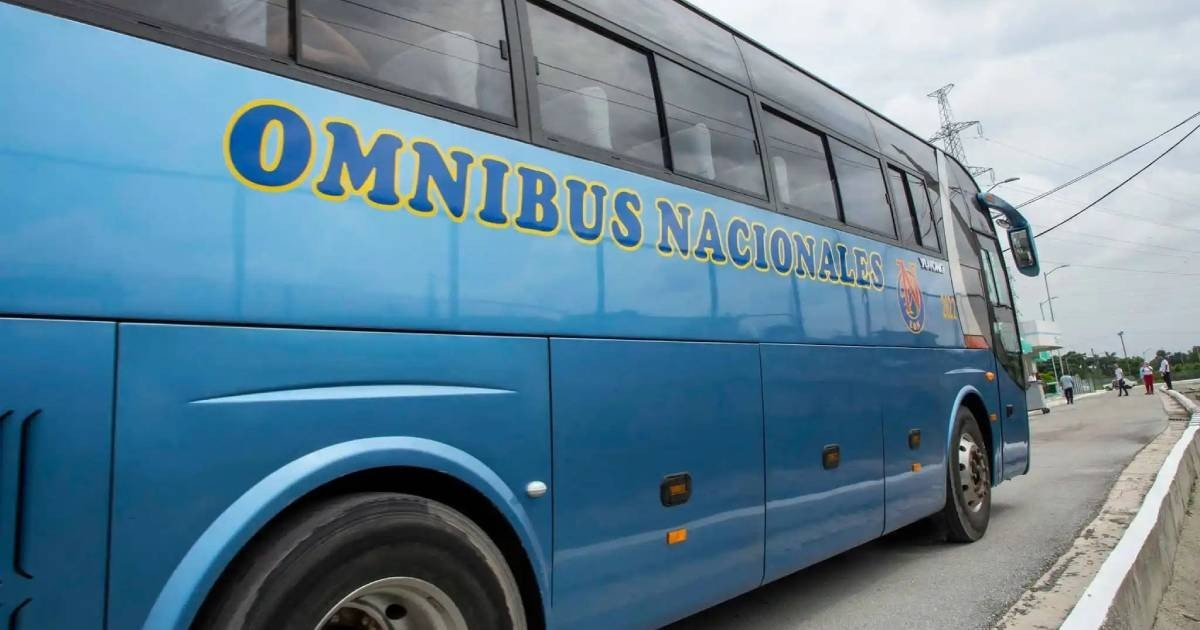
The Provincial Transportation Directorate of Matanzas has unveiled a revamped reservation system for interprovincial travel. This system, overseen by municipal and provincial work commissions, is responsible for determining travel eligibility. The announcement, signed by Director Roberto Bernal Villena, was reported by Periódico Girón.
This initiative is part of the "emergency mode" declared by the Ministry of Transportation in June, following the most severe fuel crisis witnessed in decades. It is a component of a national strategy that discontinued the free sale of tickets, shifting their allocation to provincial commissions across Cuba.
Criteria for Travel Prioritization
The new system categorizes requests into two priority levels. The highest priority is given to individuals with medical appointments or discharges, immediate family bereavements, attendance at top-tier events, and returning to one's registered place of residence. The second tier includes international flight connections, embassy appointments, issues concerning inmates, and specific work-related movements.
Changes in Ticket Sales and Availability
Waitlists have been suspended, and tickets will be personal and non-transferable, tied to a Capacity Confirmation Model. Ticket sales are restricted solely to the Empresa de Viajero and railway stations, available up to three hours before departure. A 50% discount is maintained for people with special needs, although ticket allocation is based on the purpose of travel rather than individual circumstances.
Trains passing through Matanzas operate on routes including Havana–Guantánamo, Havana–Santiago de Cuba, Havana–Holguín, and Havana–Bayamo-Manzanillo, with a frequency of every 16 days. The Provincial Commission is available at the Provincial Transportation Directorate (Calle Larga de Escoto between Doblada and Plumero, Playa), from Monday to Friday, 8:00 a.m. to 12:00 p.m., phone 45 28 55 64.
Public Outcry and Concerns
The announcement sparked widespread indignation on social media. Numerous users criticized the omission of travel to visit sick or elderly relatives as a priority. "So you think traveling to another province to visit family, who are elderly and need help, isn't a priority?" questioned one user with an 85-year-old mother in Pinar del Río.
Others expressed concerns that the system could foster corruption. "We're experts at creating commissions that only make life more difficult," one commenter summarized. Another user recounted facing extortion while trying to secure a ticket for a consular appointment: "I had to go three times and was extorted by the commission... another lucrative business for those in power."
Additional complaints highlighted how the measure advantages costly private transportation rentals. A state bus ticket from Havana to Matanzas already costs 5,000 Cuban pesos. "Don't they realize this is just another burden? If you want to travel, you have to pay for rented buses," another user remarked.
The crisis in Matanzas is not new: in September 2025, only 48.8% of the bus fleet was operational, and by February 2026, provincial transport was "almost paralyzed" due to fuel shortages. Nationally, state passenger transport plummeted by 93% between January and September 2025, and by December of that year, only 219 of the 558 interprovincial buses were running.
"It's shameful to read such absurdities. It means we're in provincial confinement, only able to visit family after they've passed away," concluded a user in one of the most shared comments on the publication.
Understanding the New Travel Reservation System in Matanzas
What led to the introduction of the new travel reservation system in Matanzas?
The new system was introduced as part of the Ministry of Transportation's "emergency mode" response to the severe fuel crisis affecting Cuba, which necessitated changes in how interprovincial travel is managed.
Who decides the travel eligibility under the new system?
Municipal and provincial work commissions are tasked with deciding who is eligible to travel based on established priority criteria.
What are some of the criticisms of the new travel reservation system?
Critics have highlighted that the system does not prioritize visiting sick or elderly relatives and expressed concerns about potential corruption and the high cost of private transportation.