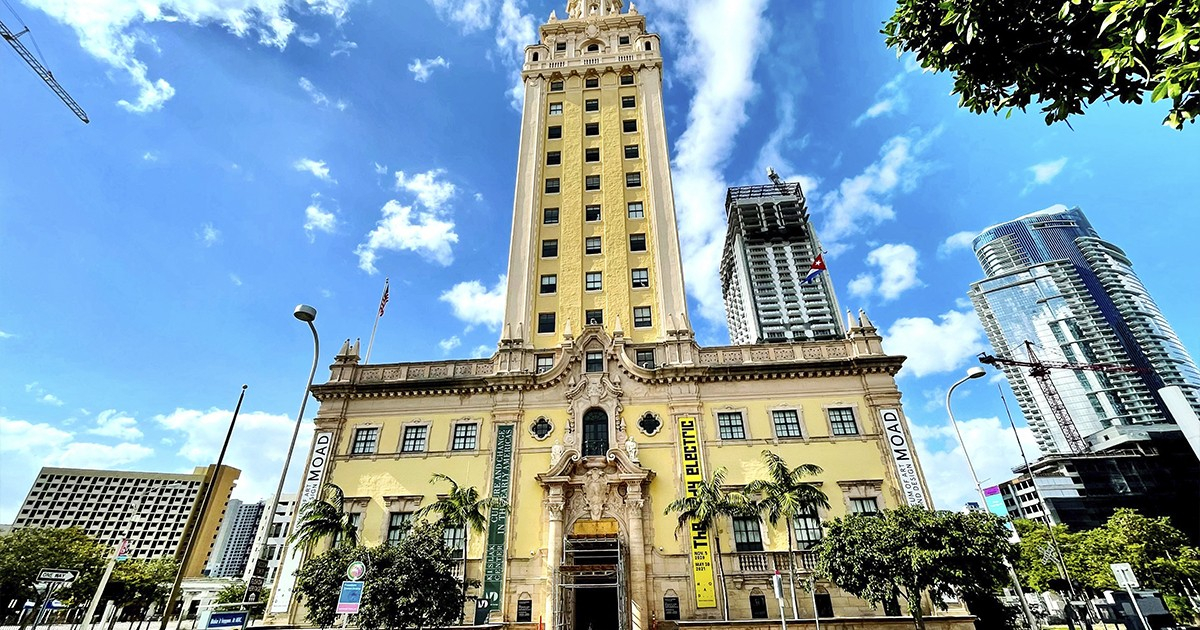
A group of 66 individuals from 29 different nations pledged their allegiance to the United States last Friday during a naturalization ceremony held at Miami's iconic Freedom Tower. This historic building once welcomed over half a million Cubans fleeing Fidel Castro's regime decades ago.
The event coincided with the celebration of the 250th anniversary of American independence, adding profound significance to each oath taken beneath the building's arches.
According to reports from Local 10, the new citizens sang the national anthem, recited the oath of allegiance, and were presented with American flags amid applause.
A New Beginning in Miami
Fabiola Pérez, a Mexican immigrant who arrived in Miami with her son Juan Pablo, explained her choice of the city: "I said this is the best city in the United States. I said if I live in the U.S., I want to live in Miami."
Her son, anticipating his own citizenship next year, shared his aspirations: "I would love to live the American dream by integrating into society, contributing, and working."
Emotions of a Historic Day
A Kenyan woman teaching French at a Miami high school expressed her joy at being naturalized on such a historic anniversary: "I can't explain it, but I am full of pride. I am going to be the proudest American when it happens," said Coco Wachli Banks.
Meanwhile, Martha García, a Dominican working as a preschool teacher in North Miami, reflected on her journey to this moment: "I've earned my goal here by working as a teacher. It's so exciting to help in children's development. They are definitely the future. I don't know why they chose me, but when they told me, I asked: Why me? I don't know what purpose is behind this opportunity for me. It's so unique, and I am so grateful."
A Legacy of Hope and Freedom
Despite their diverse backgrounds, all new citizens shared a common sentiment during the ceremony: gratitude for the chance to become Americans and faith in the dream that led them there.
The Freedom Tower, built in 1925 and modeled after Seville's Giralda, is known as the "Ellis Island of the South." It was designated as a Cuban Refugee Assistance Center by the Kennedy administration on July 1, 1962, and from then until 1974, it provided shelter, food, medical care, and legal assistance to over 500,000 Cubans escaping the dictatorship.
Now a National Historic Landmark since 2008, the building is owned by Miami Dade College and serves as the Museum of Art and Design's home.
The ceremony came at a time of heightened immigration tensions. Under the Trump administration, naturalization processes have been tightened, with a proposed fee increase of up to 80%—from $710 to $1,280—and instructions for immigration authorities to handle between 100 and 200 denaturalization cases monthly, far exceeding the historical average of 11.
On June 5, a federal court ruled against policies that halted asylum and citizenship applications for nationals from 39 countries, including Cuba, Venezuela, and Haiti, ordering those processes to resume.
The main event for the 250th anniversary, titled "Salute to America 250," is scheduled for July 4th at the National Mall in Washington D.C., featuring a speech by President Trump and performances by more than 300 military musicians.
Questions About Naturalization and Immigration Policies
What is the historical significance of Miami's Freedom Tower?
The Freedom Tower, built in 1925 and inspired by the Giralda of Seville, is known as the "Ellis Island of the South." It was a refuge for more than 500,000 Cubans fleeing Fidel Castro's regime between 1962 and 1974, offering them essential services.
How have U.S. naturalization processes changed under the Trump administration?
The Trump administration has tightened naturalization processes, proposing a fee increase from $710 to $1,280 and increasing the number of denaturalization cases reviewed monthly from the historical average of 11 to between 100 and 200.