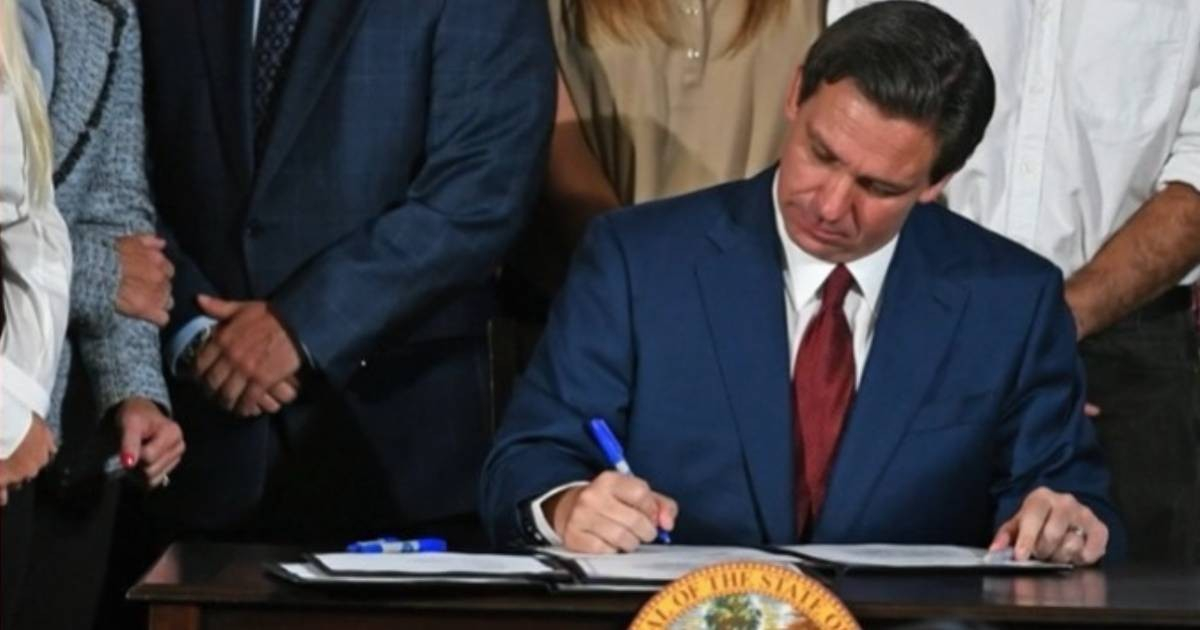
Florida Governor Ron DeSantis has exercised his veto power against SB 382, a proposed safety measure for electric bicycles that had successfully garnered unanimous support in both chambers of the state Legislature. This marks his first veto of legislation approved in 2026, as reported by Telemundo 51.
The bill, termed as the "Micromobility Device" legislation, proposed a speed cap of 10 miles per hour for e-bike riders when within 50 feet of pedestrians.
Violators of this rule would have faced fines exceeding $100, categorized as non-moving traffic violations.
Concerns Over Government Surveillance
DeSantis defended his veto by expressing concerns that the legislation could lead to increased government oversight over individuals.
"We do not need to create a system where people using e-bikes are constantly monitored," the governor stated, elucidating his reasons for rejecting the bill.
In his official communication, DeSantis warned that enforcing the speed limit would "inevitably require speed detection devices and surveillance, resulting in more monitoring of individuals by law enforcement."
Additional Provisions and Opposition
The bill also directed law enforcement agencies to gather data on accidents involving these vehicles, including details such as the driver's age, the type of e-bike, and the date of the incident. It called for the establishment of a task force affiliated with the Department of Highway Safety, involving representatives from various sectors including sheriffs, police chiefs, the industry, cities, counties, the medical field, and cycling organizations. This task force was to submit a report by October 2026 and then disband.
The governor argued against this approach, stating that the commission should have studied the issue before imposing new regulations.
"If the goal was to analyze the problem, the commission should have worked first before imposing new regulations," DeSantis noted.
Unanticipated Veto Amid Rising Accidents
The veto came as a surprise to lawmakers and road safety advocates, given the proposal's unanimous bipartisan backing: the Senate passed it on February 25, and the House on March 9.
This decision arrives amid growing concern over e-bike and scooter accidents in Florida, many involving minors.
Recently, several serious incidents have occurred: a 17-year-old was hospitalized after colliding with a car in West Palm Beach; two siblings, aged 15 and eight, were injured after their scooter hit a vehicle in Port St. Lucie; in Wellington, two teens were airlifted after losing control of an e-bike and hitting another minor; and in Jupiter, the death of a high school student in an e-bike accident prompted community meetings to discuss safety measures.
Nationwide, emergency room visits due to micromobility accidents rose from 34,000 in 2017 to 93,100 in 2022, with children under 14 accounting for 36% of the injured. Florida ranks among the top five states for such accidents.
With the veto, Florida's existing e-bike regulations remain unchanged: no license, registration, or insurance is required; helmets are mandatory for those under 16; and only individuals aged 16 and older can operate a class 3 e-bike, capable of reaching speeds up to 28 miles per hour.
Alongside SB 382, DeSantis also vetoed two other legislative proposals, while enacting 15 other measures, including the naming of highway sections in Miami-Dade and Broward after conservative activist Charlie Kirk and former President Donald Trump, respectively.
Understanding the Impact of the E-Bike Safety Bill Veto in Florida
Why did Ron DeSantis veto the e-bike safety bill?
Governor DeSantis vetoed the bill due to concerns about increased government surveillance over individuals using e-bikes. He believed that enforcing the proposed speed limits would require monitoring equipment that could lead to greater oversight by law enforcement.
What were the proposed changes in the e-bike safety bill?
The bill aimed to set a speed limit of 10 miles per hour for e-bikes near pedestrians and included penalties for violations. It also called for data collection on e-bike accidents and the creation of a task force to analyze safety issues.
How does the current e-bike regulation in Florida look like?
Currently, Florida does not require licenses, registration, or insurance for e-bikes. Helmets are mandatory for riders under 16, and those aged 16 and above can operate class 3 e-bikes, which can reach up to 28 miles per hour.