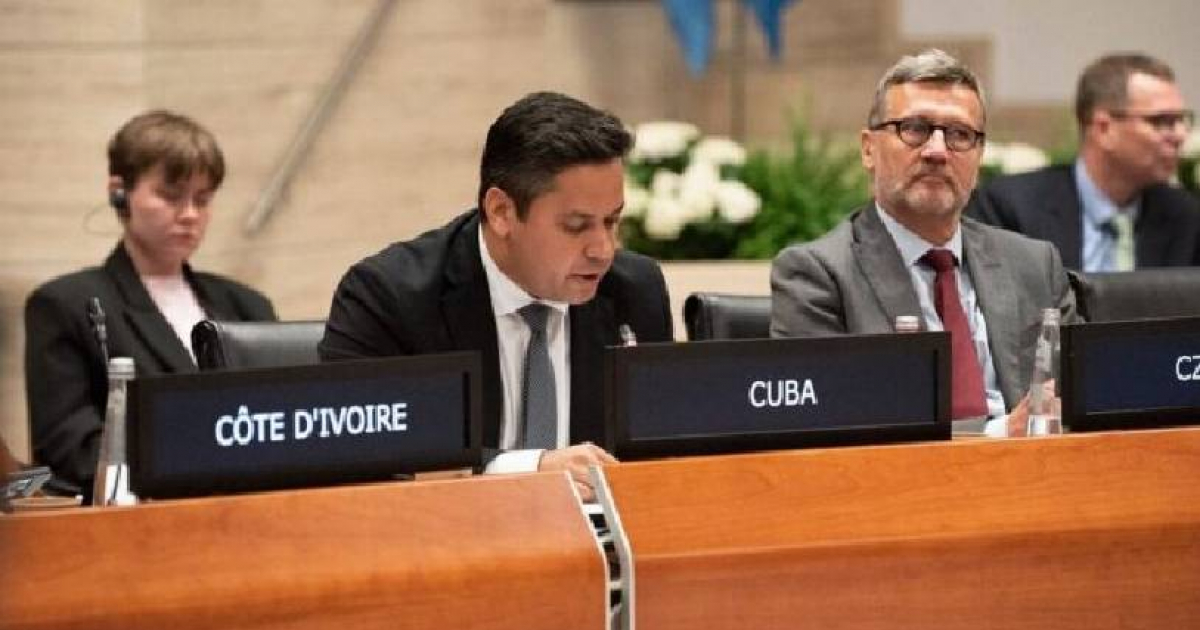
The Cuban ambassador to the UN agencies based in Rome, Jorge Luis Cepero, has declared that "Cuba is not alone" following the approval of $116,425,668 in aid by the World Food Program's (WFP) Executive Board for the Caribbean nation.
In an interview with Prensa Latina, Cepero described the decision as "a resounding victory, demonstrating that Cuba is not isolated."
State-run media Cubadebate reported that the vote proceeded despite Washington's attempts to obstruct it, including procedural tactics designed to prevent the plan from even being considered.
WFP Board Meeting Overcomes U.S. Opposition
The annual session of the WFP Executive Board took place from June 23 to 26 in Rome, where the vast majority of member states supported the aid package for Cuba. Only Morocco sided with the United States in opposition.
The aid plan, set to begin on July 1, 2026, and continue until December 31, 2030, is aligned with the United Nations Development Cooperation Framework. It focuses on enhancing food security, improving logistical systems, and protecting vulnerable populations.
Energy Crisis Intensifies Under U.S. Sanctions
Cepero also emphasized that the plan's execution will assist WFP in securing fuel access in Cuba—a critical issue as U.S. sanctions have slashed the island's energy imports by 80% to 90%, leading to power outages lasting up to 25 hours.
The energy crisis worsened after Venezuelan oil supplies ceased in January 2026 and the Trump administration issued Executive Order 14380, labeling Cuba an "unusual and extraordinary threat" and imposing tariffs on countries supplying it with crude oil.
On May 1, Washington extended sanctions to include CUPET, Cuba's state oil company.
Food Insecurity Deepens Amid Blackouts
The food situation in Cuba is equally dire. Independent organizations report that one in four Cubans goes to bed without dinner, and in 2025, 33.9% of households said at least one member went to sleep hungry in the last 30 days.
Additionally, 80.4% of families experienced reduced cooking capabilities due to power cuts.
The new aid plan nearly doubles the budget of the previous period; the WFP's strategic plan for Cuba from 2021-2025 had a budget of $57.9 million. After Hurricane Melissa in November 2025, the WFP assisted over 900,000 Cubans in the eastern part of the island with 2,900 tons of food.
However, independent organizations warn that some international humanitarian aid destined for Cuba ends up in state-run stores requiring convertible currency, making it inaccessible to the most vulnerable, raising questions about the true effectiveness of these resources for those in need.
Key Questions About Cuba's UN Aid and Challenges
Why did the World Food Program approve aid for Cuba?
The World Food Program approved the aid to enhance food security, improve logistics, and protect vulnerable populations in Cuba, aligning with the UN Development Cooperation Framework.
What are the main challenges Cuba faces with U.S. sanctions?
Cuba faces significant energy crises due to U.S. sanctions, reducing its energy imports by up to 90% and causing severe power outages. The sanctions also include tariffs on countries supplying oil to Cuba.
How does food insecurity affect Cuban households?
Food insecurity is a critical issue in Cuba, with reports indicating that one in four Cubans skips dinner, and over a third of households have experienced hunger in the past month.