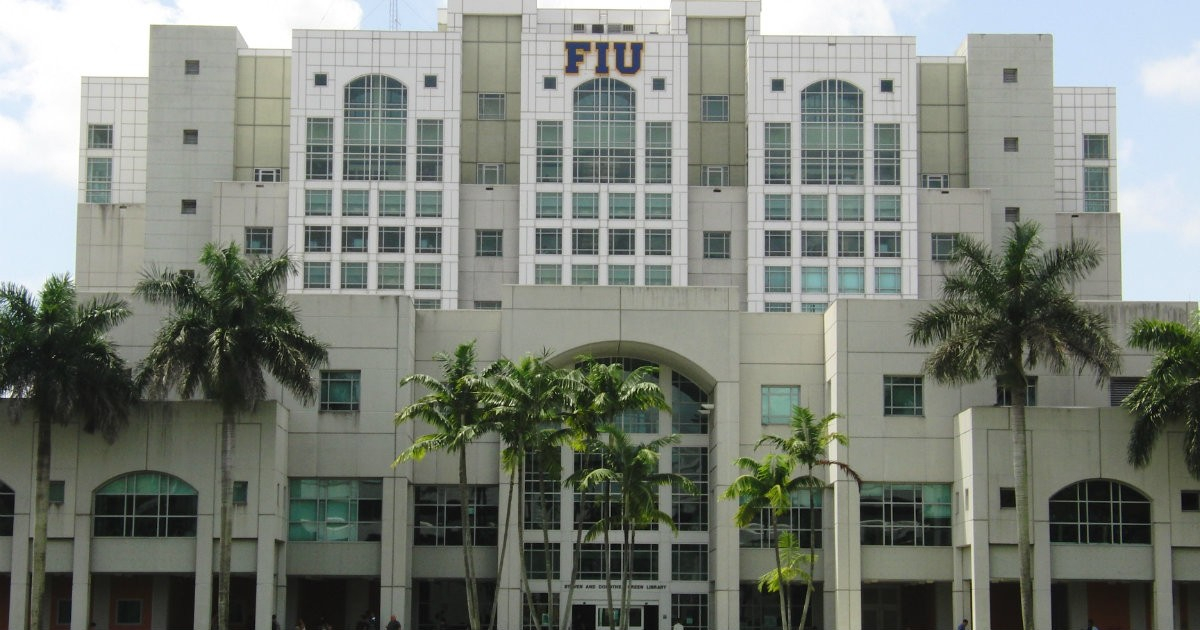
The Florida Board of Governors unanimously endorsed a proposed amendment on Thursday that could potentially bar undocumented students from enrolling in the state’s public universities, as reported by the Miami Herald.
If ultimately approved, this regulation would take effect in the 2027-28 academic year and impact all 12 universities within the Florida State University System, including Florida International University and Florida Atlantic University.
The rule specifically targets institutions that, over the past two academic years, have been unable to admit all academically qualified applicants due to limitations in space, faculty, or resources.
Practically speaking, this encompasses all of the state's public universities since they operate under selective admissions. However, private institutions like the University of Miami are not subject to this regulation.
The process is not finalized with this vote. The proposal now enters a 14-day public comment period. If no objections arise, it will return to the Board of Governors for a final vote in September.
Adjustments to the Proposal
The board also revised the original text to ensure the rule does not unintentionally affect international students residing outside the U.S. who are participating in online programs offered by Florida universities.
"I don't believe the intent of this board is to restrict access to online programs for individuals living abroad," stated board chairman Alan Levine.
Undocumented students currently enrolled would not be impacted by this change, confirmed vice chancellor Emily Sikes.
Governor's Support and Legislative Background
Governor Ron DeSantis expressed his support for the initiative a day before the vote.
"I fully support it. I believe what they are doing is the right thing, and I think they are prioritizing Florida students who grow up here, attend our schools, and are Florida residents," he said during a press conference.
This action is part of a broader trend of escalating educational restrictions in the state.
In February 2025, DeSantis signed SB 2C into law, which removed in-state tuition rates for undocumented students, including DACA recipients, in all public colleges and universities from July 1, 2025. This legislation reversed a policy that had been in place since 2014, affecting about 6,500 students, whose tuition costs rose by as much as 300%, forcing some to drop out.
Three legislative attempts to directly ban the admission of undocumented students failed during the 2026 session, prompting the Department of Education to pursue an administrative route.
In April of that year, Florida had already proposed to ban undocumented students from its 28 public colleges, such as Miami Dade College and Broward College.
If all pending measures are approved, Florida would join Alabama, Georgia, and South Carolina in placing complete or partial restrictions on undocumented students' access to public higher education.
The same Board of Governors is scheduled to vote on Monday, June 30, regarding whether undocumented students can enroll in Florida College System institutions and Adult General Education programs.
Frequently Asked Questions about Florida's Education Restrictions
When would the new admission rules for undocumented students take effect?
If approved, the new rules would be implemented in the 2027-28 academic year.
Which universities will be affected by this proposal?
The proposal affects all 12 universities within the Florida State University System, including Florida International University and Florida Atlantic University.
Are private universities affected by these changes?
No, private universities like the University of Miami are not affected by this proposed regulation.
What was the impact of the SB 2C law signed by Governor DeSantis?
SB 2C removed in-state tuition rates for undocumented students in public colleges and universities, significantly increasing their tuition costs and affecting around 6,500 students.