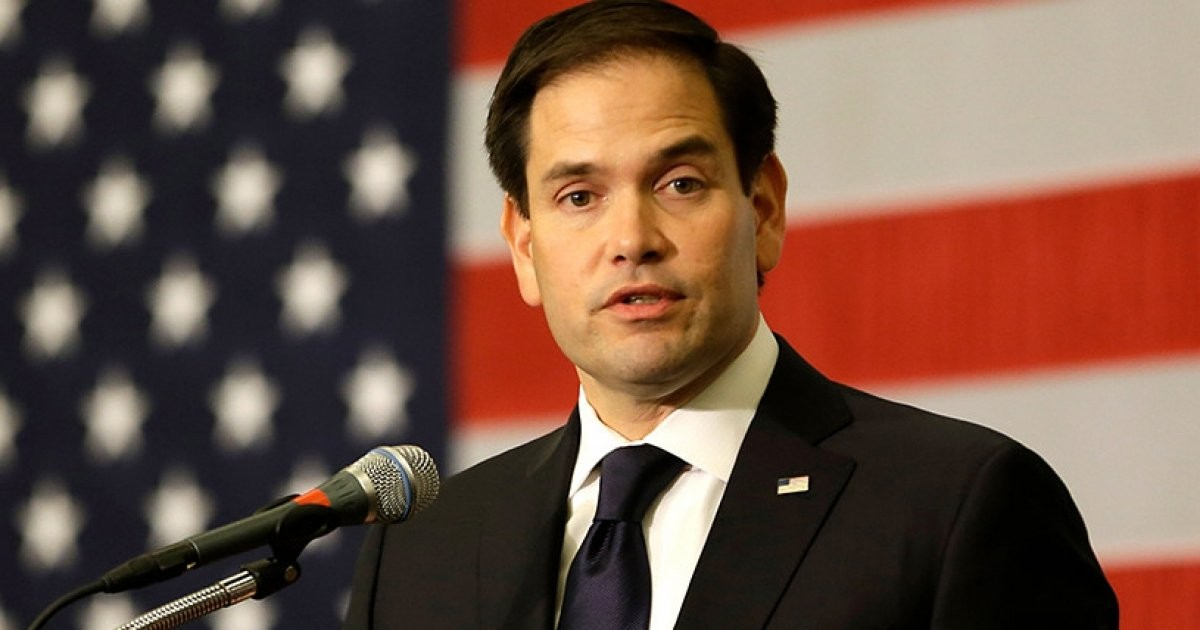
On Monday, U.S. Secretary of State Marco Rubio unveiled new sanctions targeting entities linked to Cuba's military conglomerate, GAESA. Rubio accused them of channeling the island's resources to benefit the regime's elites rather than addressing the dire needs of its citizens.
In a statement, Rubio declared that conditions in Cuba are "worsening" as the Cuban government continues to prioritize "complete control over the freedom, opportunities, and basic welfare of the Cuban people."
The U.S. diplomat emphasized that GAESA has consistently acted as "the primary conduit" for regime elites to siphon the nation's limited resources for repression, anti-American subversion, and espionage, rather than investing in schools, power plants, and other essential public services.
According to Rubio, the newly announced sanctions cover GAESA network entities involved in moving the conglomerate's finances and physical assets, as well as companies exploiting Cuba's mineral and metal reserves for what he labeled as "illicit profits."
Rubio also warned that any individual or entity offering services to the sanctioned actors risks facing penalties. He urged foreign banks and companies engaged with these entities to immediately suspend such activities.
... Story developing ...
Implications of U.S. Sanctions on GAESA
What are the reasons behind the U.S. sanctions on GAESA?
The U.S. sanctions GAESA for allegedly diverting resources to support the regime's elites and their oppressive activities, rather than addressing the essential needs of the Cuban people.
How might these sanctions affect foreign banks and companies?
Foreign banks and companies associated with GAESA-linked entities are urged to freeze their activities immediately, to avoid potential penalties from the U.S.