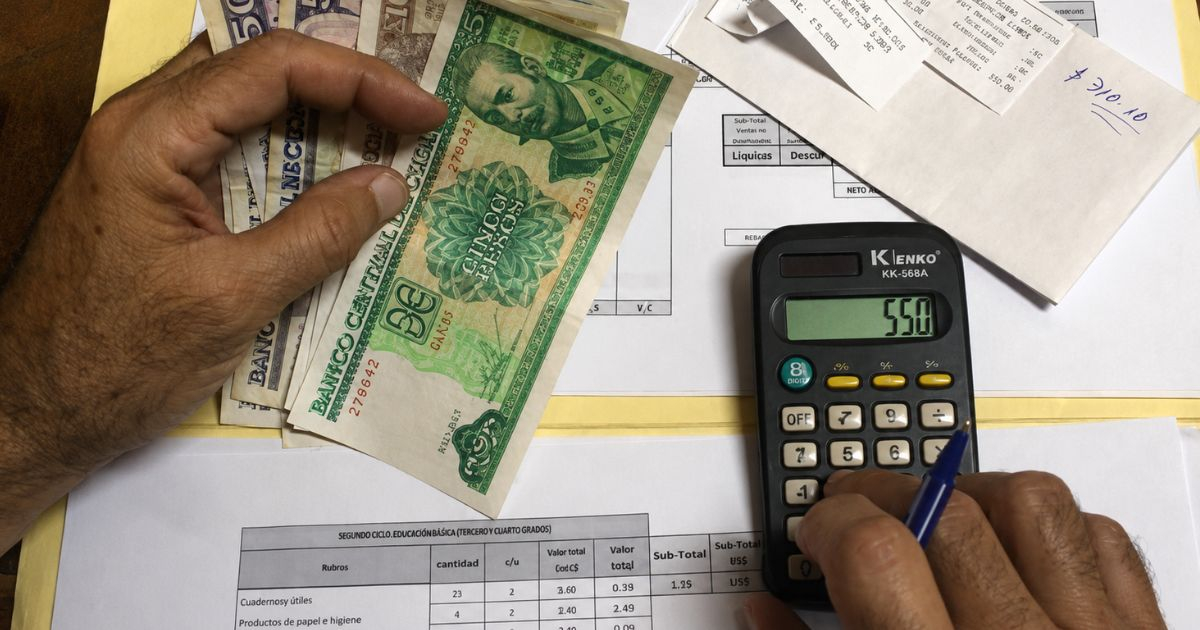
The National Office of Tax Administration (ONAT) in Cuba has been granted the authority to withdraw funds directly from taxpayers' bank accounts to settle outstanding tax debts. This can be done without prior consent from the account holders, as outlined in Resolution 126/2026 issued by the Ministry of Finance and Prices and published in the Official Gazette on June 18.
The regulation, signed by Minister Vladimir Regueiro Ale on May 25, will become effective 30 days post-publication, making its enforcement likely around July 18, 2026.
The process involves a "collection order without acceptance" that the ONAT sends directly to the respective bank in digital format, bypassing the need for debtor approval.
Impact on Different Types of Accounts
For legal entities, whether state-owned or private, the deduction occurs from their current accounts. In contrast, for individuals, the deduction is made from their Fiscal Bank Account.
In instances where the ONAT identifies tax evasion or underreporting, the measure escalates: the collection order can extend to the debtor's personal bank accounts, following a prior warning.
Conditions and Limitations
This mechanism is applicable only to debts that have been firmly established: they have been administratively determined, notified to the taxpayer, remain unpaid past due, and no appeal or deferment request has been filed by the debtor.
If the available balance is insufficient to cover the full debt, the collection is carried out partially and progressively until the debt is fully settled.
Defense and Trial Runs
ONAT defends this measure, arguing that it should not be seen as meddling in the debtor's finances since only the amount owed, which belongs to the State Budget, will be deducted.
Before implementing this broadly, the regime conducted a pilot test with over 200 taxpayers across 15 provinces and 75 municipalities, including the Isle of Youth, with results deemed favorable.
Challenges Amidst an Economic Crisis
This measure is introduced during a particularly challenging time for Cubans, who are already dealing with a structurally troubled banking system: cash shortages, inoperative payment terminals, and unreliable mobile coverage.
In Sancti Spíritus, less than 10% of small businesses and private workers regularly accept bank transfers, as of May 2026 data.
Additionally, recent reports indicate that citizens endure waits of up to three days to access 40% of their wages due to banking system failures.
The fiscal context is also significant: Cuba's maximum public debt for 2026 stands at 123,772 million pesos, highlighting the regime's pressure to generate revenue and the urgency behind this new forced collection tool.
Since April 2025, the government has mandated that self-employed workers maintain compulsory fiscal accounts to operate legally, which means forced banking and automatic collection are part of a broader financial control strategy over Cubans.
Resolution 126/2026, as published in Official Gazette No. 53, also empowers the head of the ONAT to issue additional regulatory provisions to implement the mechanism, in coordination with the Central Bank of Cuba.
Frequently Asked Questions about ONAT's New Tax Collection Powers
What is the new power granted to ONAT?
ONAT has been authorized to directly withdraw funds from taxpayers' bank accounts to settle unpaid tax debts without the need for prior approval from account holders.
Who will be affected by this measure?
Both legal entities and individuals with established tax debts will be affected. The deductions will occur from their current accounts or Fiscal Bank Accounts, depending on the entity type.
When will the new regulation take effect?
The regulation is set to take effect around July 18, 2026, which is 30 days after its publication in the Official Gazette.