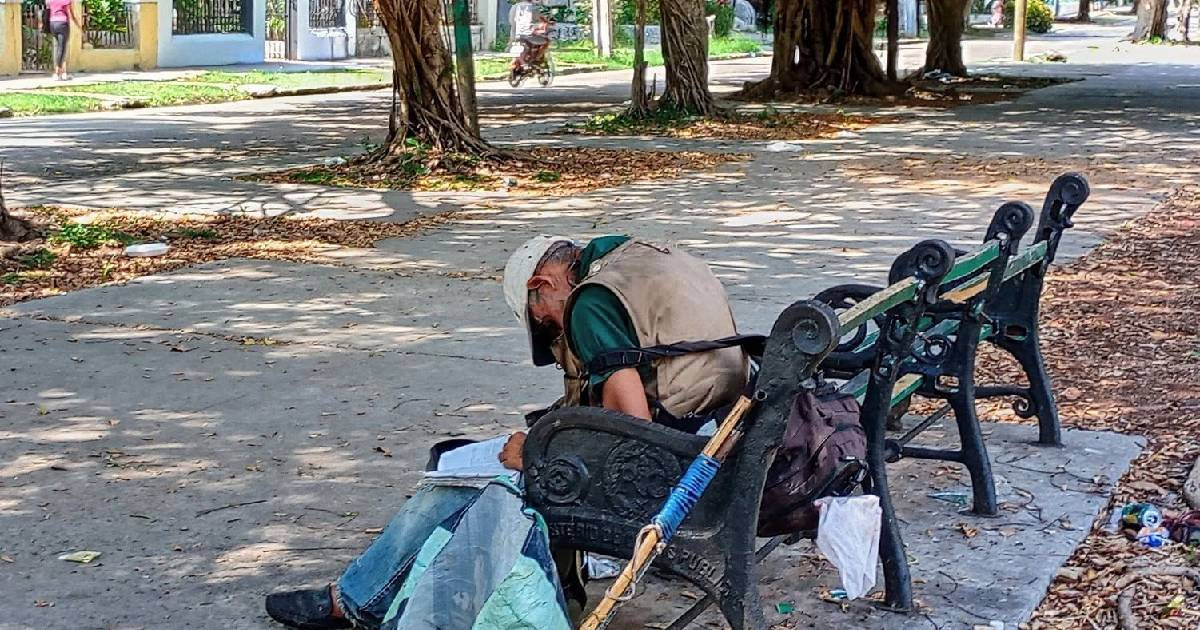
A piece penned by writer and art critic Jorge de Mello set social media ablaze on Saturday as it highlighted the plight of elderly Cubans, deemed the greatest victims of the recent economic reforms announced by the regime. This comprehensive set of 176 measures, critics argue, disregards those who aged without having the chance to build wealth.
"We are the sacrificial lambs that the powerful have decided to offer on the altar of their insufficient and belated reforms," De Mello declared in his widely circulated piece titled "From My Diary," which resonated deeply among Cubans both on and off the island.
Unanswered Questions and Deep Generational Wounds
De Mello posed questions that struck a chord with his audience: "Which part of the reform specifies what will happen to those of us who haven't stolen or led double lives, and moreover, were forbidden from accumulating wealth?"
The responses to De Mello’s publication revealed a profound generational rift.
"They have betrayed the generation that eradicated illiteracy, harvested sugarcane, fought in wars, debated politics with their children during the Special Period, and sang 'Happy Birthday' to their grandchildren over WhatsApp. They will not be forgiven," one reader lamented.
Another pointed out the core paradox of the reforms: "The same powerful individuals today, who possess the capital to invest, will be the ones to divide the spoils—now openly and shamelessly. And ordinary citizens? To hell with them, let them perish or remain stuck in their struggles."
Elderly Left Behind by System
A third perspective highlighted the neglect of those who adhered to the system's rules: "Those who played by the rules, worked honestly, and sacrificed personal prosperity for the common good are now the most forsaken. A society that leaves its elderly behind is not reforming; it is acknowledging its moral failure."
The anger is rooted in stark figures. The minimum pension in Cuba is 3,056 Cuban pesos per month—approximately $4.40 at the informal exchange rate of 695 Cuban pesos to a dollar—while the basic minimum basket for two people in Havana reached 41,735 pesos in 2025, according to journalistic estimates.
Rationing and Reforms: A New Era
On Wednesday, leader Miguel Díaz-Canel announced that the basic basket will no longer be universal and will be restricted to retirees, families with chronically ill children, and vulnerable individuals, marking the largest cut to rationing since its inception in 1962.
The reform package, approved at the Communist Party's Extraordinary Plenum on Tuesday, June 17, and ratified by the National Assembly the following day, includes the opening of private banks, removal of limits on micro, small, and medium enterprises, and permission for Cubans abroad to invest—measures that primarily benefit those with capital.
On Thursday, the regime also introduced a measure obligating private companies to fund pensions, nursing homes, and social cafeterias, acknowledging its own inadequacy. The government of Granma admitted this month that it lacked the over 400 million pesos needed to pay its 111,000 retirees.
Aging Population and Social Strain
The sense of abandonment also has a structural dimension. Cuba is the most aged country in Latin America, with 25.7% of its population aged 60 and above by the end of 2024, while massive emigration has reduced its population to 9.74 million, leaving thousands of elderly without family support networks.
The dining facilities of the Family Care System, the last safety net for many, have been cooking with firewood for months due to a lack of gas and survive on international donations.
Meanwhile, countless Cubans on social media bury official triumphalism and the reform announcements that leave unanswered the question De Mello posed: "How are we going to pay for our needs, who will bear the costs for the defeated in this story?"
Understanding Cuba's Economic Reforms and Their Impact
What are the recent economic reforms in Cuba?
The recent economic reforms in Cuba comprise a package of 176 measures that include the opening of private banks, removal of limits on micro, small, and medium enterprises, and authorization for Cubans overseas to invest, primarily benefiting those with capital.
How do these reforms affect elderly Cubans?
Elderly Cubans are significantly affected as the reforms do not address their needs. Many aged without accumulating wealth, and the minimum pension is insufficient to cover basic living costs, leaving them vulnerable and feeling abandoned.
Why is there criticism of the Cuban government's handling of reforms?
Critics argue that the Cuban government’s reforms inadequately address the needs of the population, particularly the elderly, and mainly benefit those with existing capital, widening the inequality gap and failing to provide for the most vulnerable.