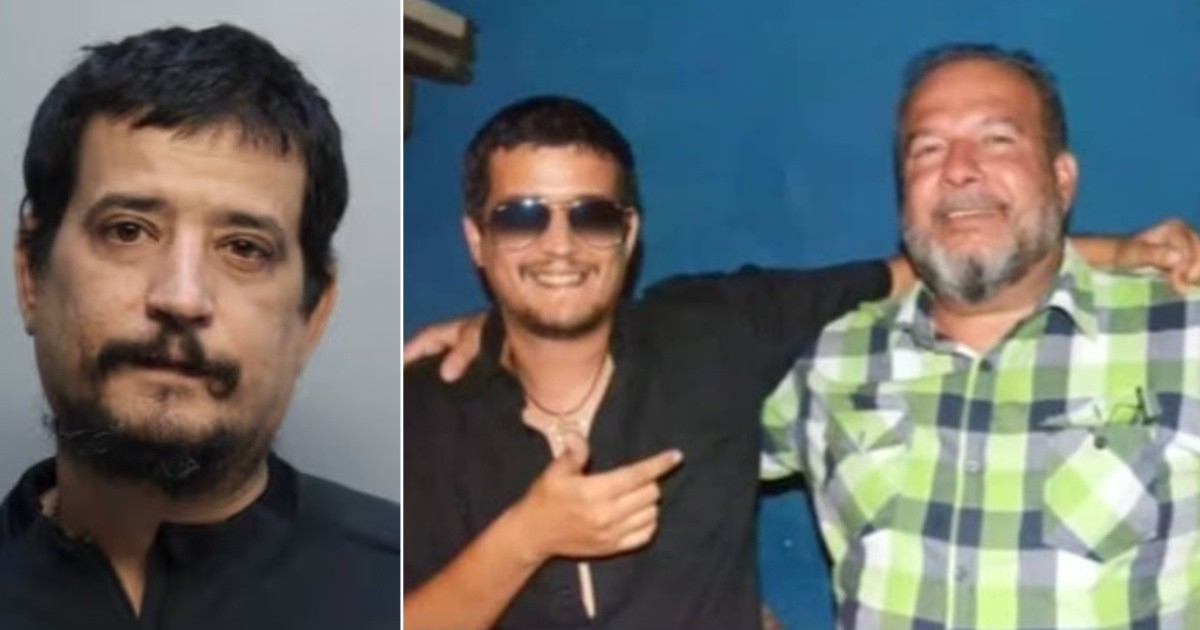
Rogelio Enrique Bolufé Izquierdo, a former major in Cuba's Ministry of the Interior (MININT) and one-time member of Fidel Castro's personal security team, was deported by U.S. Immigration and Customs Enforcement (ICE) to Ecuador in early June. This occurred following nearly ten months in ICE custody, according to findings by The American Prospect.
The 44-year-old Bolufé was unexpectedly flown to Guayaquil, known as one of Ecuador's most dangerous cities, without any form of identification, money, additional clothing—just dressed in the standard gray detention uniform—and without knowing anyone in the area.
"They left me in Ecuador through a swift deportation process that I view as retaliatory," Bolufé told the American media outlet. "I was removed from the country without any prior notice, not having signed any documents, nor was I adequately informed of what was happening."
Allegations of Unlawful Deportation
Bolufé described the deportation as illegal and unconstitutional, stating, "I was expelled from the United States without due process being followed, despite having an active immigration case and a pending appeal."
ICE had initially detained him in August 2025 during a traffic stop in Miami-Dade, accusing him of cocaine possession, charges which the county prosecutor later dropped. Nonetheless, he was held due to his irregular immigration status, as he had entered the U.S. in 2020 without ever regularizing his situation.
Activism and Its Consequences
Throughout his ten-month detention, Bolufé was shuffled between seven different facilities, including "Alligator Alcatraz" in Florida, Camp East Montana in Texas, Torrance County Detention Facility in New Mexico, Etowah County Jail in Alabama, and finally, the Northwest Detention Center in Washington.
At the final facility, he spearheaded "The Union of ICE Kidnapped," rallying 140 detainees to protest against inhumane conditions and labeling the detention system as "a business built on human suffering."
In retaliation for his activism, guards confiscated his legal documents, notes, phone book, and religious items, including the Quran, prayer beads, and a prayer rug.
Legal Battles and Deportation to Ecuador
Bolufé had also filed civil lawsuits against ICE and written letters to members of Congress and media outlets. He was in the process of applying for residency under the Cuban Adjustment Act of 1966, having completed biometrics and an interview, waiting only for his green card when arrested.
Adding to the complexity, the Cuban government paradoxically listed him on their National List of Persons Linked to Terrorism, citing alleged sabotage plans against infrastructure. This effectively blocked direct deportation to Cuba and paved the way for his transfer to Ecuador, where Bolufé is purportedly a national.
The U.S. Department of State warns its citizens against traveling to Ecuador, particularly Guayaquil, due to threats of terrorism and crime.
Broader Implications of ICE's Strategy
Bolufé's case is seen as part of a larger strategy, attributed to ICE by activists and lawyers, to relocate or deport detainees involved in organizing collective protests to dismantle internal resistance.
In June, the agency moved 90 individuals from the Delaney Hall facility in Newark to break a 20-day hunger strike. In 2026 alone, 19 people have died inside ICE detention centers, as reported by The American Prospect.
From Guayaquil, Bolufé continues to assess his future options. "The Union of ICE Kidnapped fosters solidarity and mutual support against constitutional violations and abuses committed against immigrants," he wrote.
"In the face of injustice, family separation, and the violation of fundamental rights, our response is clear: unity, dignity, and defense of the Constitution."
Understanding the Deportation of Rogelio Bolufé
Why was Rogelio Bolufé deported to Ecuador?
Rogelio Bolufé was deported to Ecuador after being detained by ICE for nearly ten months. Despite having an active immigration case and pending appeal, he was removed without prior notice or due process, partly due to Cuba's refusal to accept him back and his alleged ties to Ecuador.
What actions did Bolufé take while detained by ICE?
While detained, Bolufé organized "The Union of ICE Kidnapped," comprising 140 detainees protesting inhumane conditions. He also filed civil lawsuits against ICE and communicated with Congress members and media to highlight the abuses faced by immigrants.