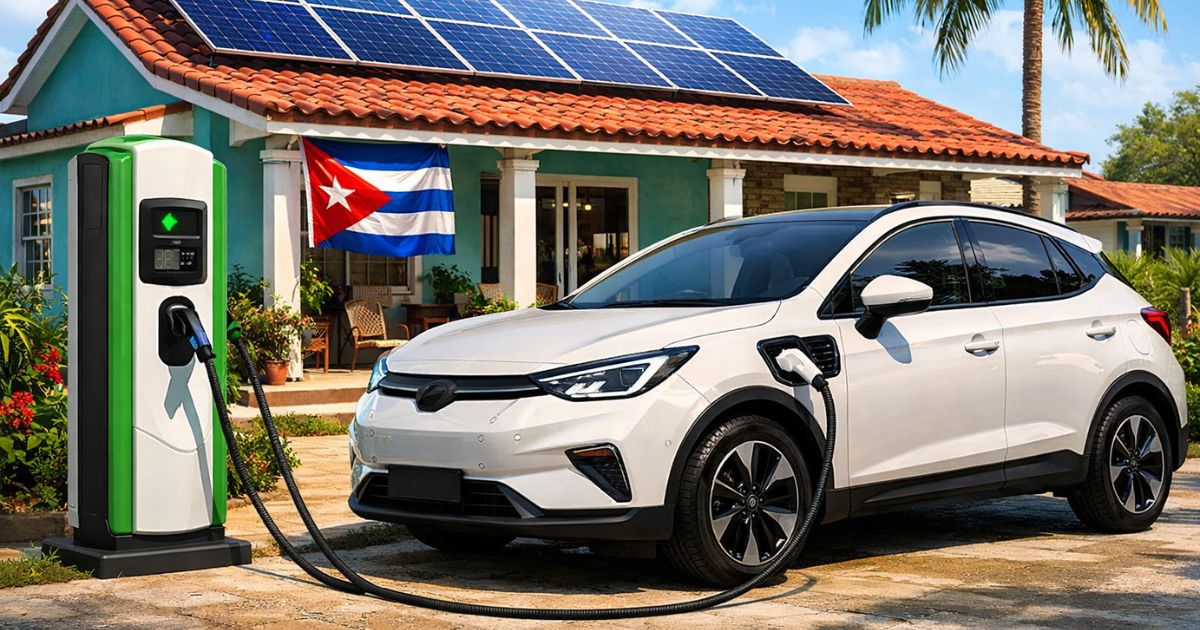
In a significant shift from previous policies, Cubans will now have the ability to directly import electric vehicles from abroad. This change is part of a comprehensive package of economic reforms approved by the regime this week, aimed at relaxing the stringent restrictions on vehicle acquisition on the island.
This decision is among the 176 measures introduced by the government during an extraordinary session of the National Assembly of People's Power. It seeks to promote electric mobility amid ongoing energy crises, transportation issues, and the chronic fuel shortages that plague the country.
A notable aspect of the reforms is the removal of several barriers to vehicle acquisition—a long-standing demand from the Cuban populace, who have endured one of the most limited and expensive automotive markets in Latin America.
Direct Importation of Electric Vehicles
The most striking development for citizens is the new permission for individuals to directly import electric vehicles, a possibility previously absent from the existing regulatory framework.
Although specifics regarding procedures, costs, or eligibility criteria have yet to be released by authorities, the announcement marks a significant departure from the state-controlled nature traditionally associated with Cuba's automotive sector.
Incentives for Renewable Energy
The new policies also involve tax incentives to encourage the adoption of renewable energy sources. According to the government's plan, electric cars imported alongside a renewable energy-based charging station will be exempt from tax obligations.
The declared goal is to foster sustainable energy solutions and mitigate the impact of expanding the electric vehicle fleet on a national electric grid still plagued by frequent outages and generation issues.
Expansion Beyond Automobiles
The reform package extends beyond cars. It includes authorization for the commercial importation of components and equipment for the assembly and sale of electric motorcycles, mopeds, and tricycles within Cuba.
This measure presents new opportunities for state enterprises, cooperatives, and private entrepreneurs interested in a market that has rapidly expanded in recent years due to public transportation challenges and fuel shortages.
According to the government, the aim is to enhance the availability of electric transportation options and reduce reliance on imported fossil fuels, which continue to strain national finances.
Challenges and Skepticism
The announced measures complement other reforms related to foreign trade, foreign investment, and the private sector, including new permissions for private companies and cooperatives to conduct direct import and export operations.
However, questions remain about the actual impact of these measures. Economists, researchers, and entrepreneurs have previously noted that many regime-announced openings end up constrained by subsequent regulations, administrative controls, or difficulties accessing foreign currency.
In a country where the average state salary barely covers basic needs, the legal opportunity to import an electric car might remain out of reach for most Cubans. Nonetheless, the measure is one of the most significant changes in transportation policy in recent years and an official move towards the electrification of mobility on the island.
Understanding Cuba's New Electric Vehicle Import Policies
What changes have been made regarding the importation of electric vehicles in Cuba?
Cubans are now allowed to directly import electric vehicles from abroad, a significant policy shift aimed at reducing restrictions on vehicle acquisition.
Are there any tax incentives for importing electric cars in Cuba?
Yes, electric vehicles imported with a charging station based on renewable energy sources will be exempt from taxes as part of the new reforms.
How will the new reforms impact the Cuban transportation sector?
The reforms aim to improve the availability of electric transportation options, reduce dependency on fossil fuels, and promote sustainable energy solutions.