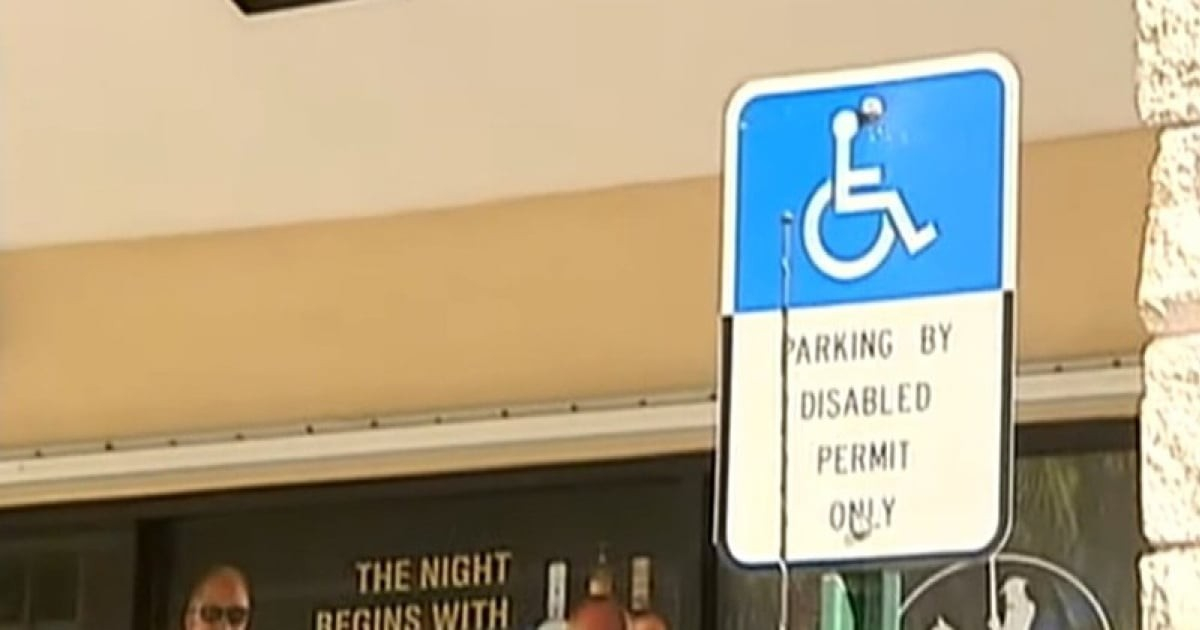
The Miami-Dade Tax Collector’s Office has revoked 5,656 disability parking permits after a comprehensive review of nearly 42,000 applications, as reported by Telemundo 51.
This revocation represents approximately 14% of the total audited.
Dariel Fernández, the tax collector leading this initiative, emphasized the significance of the findings: "After examining close to 42,000 permits, it is evident that the system required a thorough overhaul. Revoking 5,656 permits is far from a routine administrative task—it involves removing numerous permits that should never have been active."
Causes for Permit Revocations
The reasons for these cancellations vary: permits linked to deceased individuals, potentially fraudulent applications, incomplete or incorrectly submitted forms, and other discrepancies identified during the audit.
Details of the Extensive Audit
Initiated in December 2025, the audit was part of a zero-tolerance policy and was the most comprehensive review ever conducted in the county, covering all permanent and temporary permit applications issued in the last 24 months.
The figures have steadily increased since the audit began: in March, after reviewing 27,000 applications, over 1,400 permits were canceled; in April, with more than 33,000 audited, the number exceeded 2,000; by the end of May, it reached 4,707 annulments, and this week it surpassed 5,656.
The cancellation rate has also risen dramatically: from 5.2% in March to 11.5% in May, and now 14% in June, indicating that the audit is uncovering irregularities at an accelerating pace.
Protecting Genuine Needs and Legal Repercussions
Fernández stressed that the primary goal of this initiative is to protect those who genuinely require these permits: "This audit aims to safeguard those residents, strengthen the system's integrity, and ensure these permits are allocated to the individuals they are intended for."
He also cautioned that cases of suspected fraud could be referred to the Miami-Dade Sheriff’s Office for possible legal action.
Under Florida law, submitting false information to obtain a disability permit is a first-degree misdemeanor, punishable by up to a year in jail, a $1,000 fine, or both.
Uncovering System Exploitation
This audit has revealed a system that, according to authorities, has been exploited for years. In September 2022, the county prosecutor charged a 26-year-old woman for allegedly selling applications with forged doctor signatures for $200 each, highlighting the existence of organized fraud networks.
An observational study in Miracle Mile, Coral Gables, found that 30% of the vehicles parked on a single day displayed disability permits, a number authorities consider anomalously high.
The audit is being conducted in collaboration with the Miami-Dade County Sheriff’s Office and the State Attorney's Office, led by Katherine Fernández Rundle.
"Residents deserve a system that is fair, accurate, and properly overseen," Fernández concluded, indicating that the cleanup process is ongoing.
Key Insights on Miami-Dade's Disability Parking Permit Audit
What prompted the audit of disability parking permits in Miami-Dade?
The audit was prompted by a need to address potential systemic exploitation and ensure that permits are allocated to individuals who truly require them. It was part of a zero-tolerance policy to eliminate fraudulent and inactive permits.
How has the percentage of revoked permits changed over time?
The revocation rate increased from 5.2% in March to 11.5% in May and reached 14% in June, indicating a growing discovery of irregularities as the audit progressed.
What legal consequences can occur from submitting false information for a disability permit?
Submitting false information to obtain a disability permit is considered a first-degree misdemeanor under Florida law, punishable by up to one year in jail, a $1,000 fine, or both.