Cuban Catholic priest Alberto Reyes Pías released the 162nd edition of his weekly Facebook column this past Friday, calling for a change in government and political system as essential steps to pulling Cuba out of its systemic crisis.
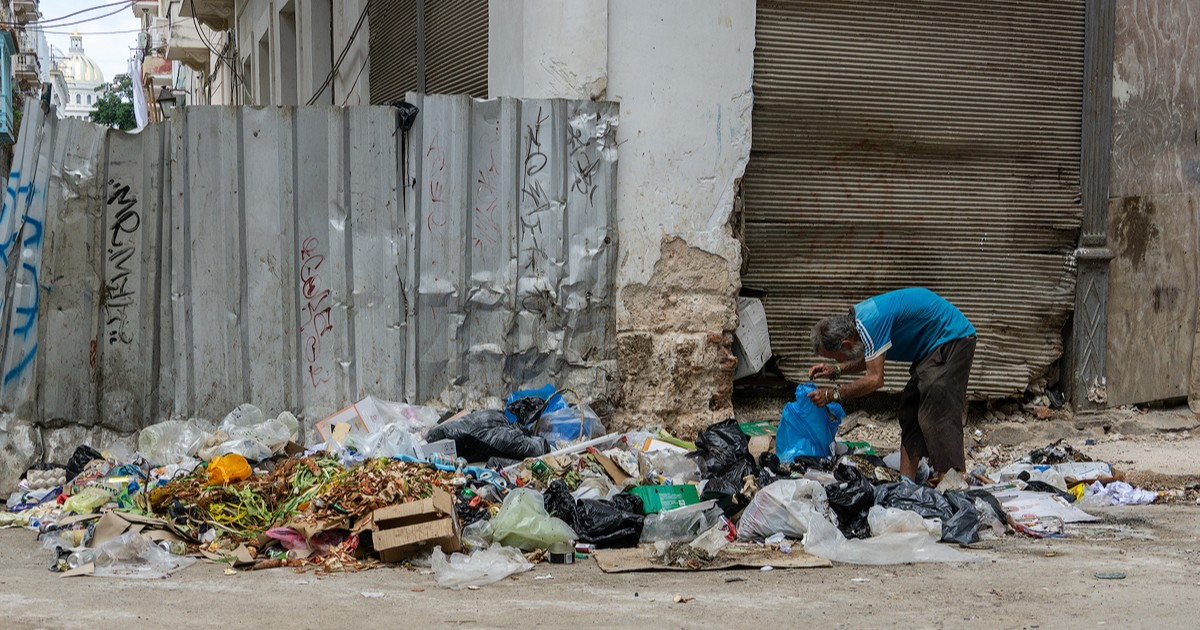
"In nearly seven decades, those who have ruled us have not only failed to secure basic living conditions for the population, but these conditions have steadily deteriorated to inhumane levels," stated the parish priest of Esmeralda, located in Camagüey.
The piece, titled "I've Been Thinking About Our Remaining Options II," is the second part of a series that began on June 12, 2026, where the priest examines the paths available to the Cuban people amid the accelerating decline in their living standards.
Reyes dismisses the idea that the current regime can reverse the situation, posing a direct question: "After all this time, what makes us believe that the same government, the same party, and the same political system will be capable of lifting the country out of this widespread crisis?"
The Illusion of Change
The priest also dismantles the regime's official narrative that blames the embargo as the main cause of the crisis. "The victimhood regarding the embargo might rally international support for Cuba, but it doesn't put food on Cuban tables," he points out, adding that if the regime hasn't managed the embargo's effects over the decades, "it stands to reason they should step aside for those who perhaps can."
For Reyes, discussions about "dialogue" only make sense if they include concrete answers about how and when a transition will occur that includes the current rulers stepping down and calling for free and plural elections.
Demand for Accountability
The priest criticizes the regime for clinging to a circular discourse of demanding trust in the Revolution, threatening any dissenting voices, and perpetuating a plaintive victim narrative against the blockade, while political plurality remains banned, political prisoners are denied, and harassment of peaceful protesters continues unabated.
Addressing those who urge patience or understanding, Reyes is blunt: "The lack of electricity, water, medicine, food, fuel, and money in banks is not something the people need to 'understand'; it is something the government MUST resolve."
Rejecting Silence
Reyes outlines what, in his view, are not viable options for Cubans: remaining silent, enduring indefinitely, inventing ways to survive, suffering without protest, or clapping in public events to please those in power.
This reflection comes amid a context of severe humanitarian decline. In May 2026, the UN reported that over 100,000 patients, including more than 11,000 children, were awaiting delayed surgeries due to power outages and lack of medical supplies on the island.
Throughout 2026, Father Reyes has intensified his criticisms. In May, he acknowledged that many Cubans would prefer "a dreadful end" rather than continuing under the dictatorship, and in January, State Security summoned him without reason, along with priest Castor Álvarez in Camagüey.
"I see no other option but to speak the truth, everywhere: in families, schools, workplaces, churches, on social media… but also on the streets, in every street, peacefully yet firmly," the priest concludes, describing a populace that "has long been fed up and exhausted."
Understanding Cuba's Systemic Crisis
What does Father Alberto Reyes advocate for in Cuba?
Father Alberto Reyes advocates for a change in government and political system as essential steps to resolving Cuba's systemic crisis.
Why does Father Reyes reject the embargo as the main cause of Cuba's crisis?
He argues that the victimhood narrative regarding the embargo might gain international support but doesn't address the food shortages and economic management failures within Cuba.
What are the conditions like in Cuba according to Father Reyes?
Father Reyes describes the conditions as progressively worsening to inhumane levels, with shortages in electricity, water, medicine, food, and basic supplies.
What does Father Reyes believe are not viable options for Cubans?
He believes that remaining silent, enduring indefinitely, inventing ways to survive, and complying with the regime's demands are not viable options for Cubans.