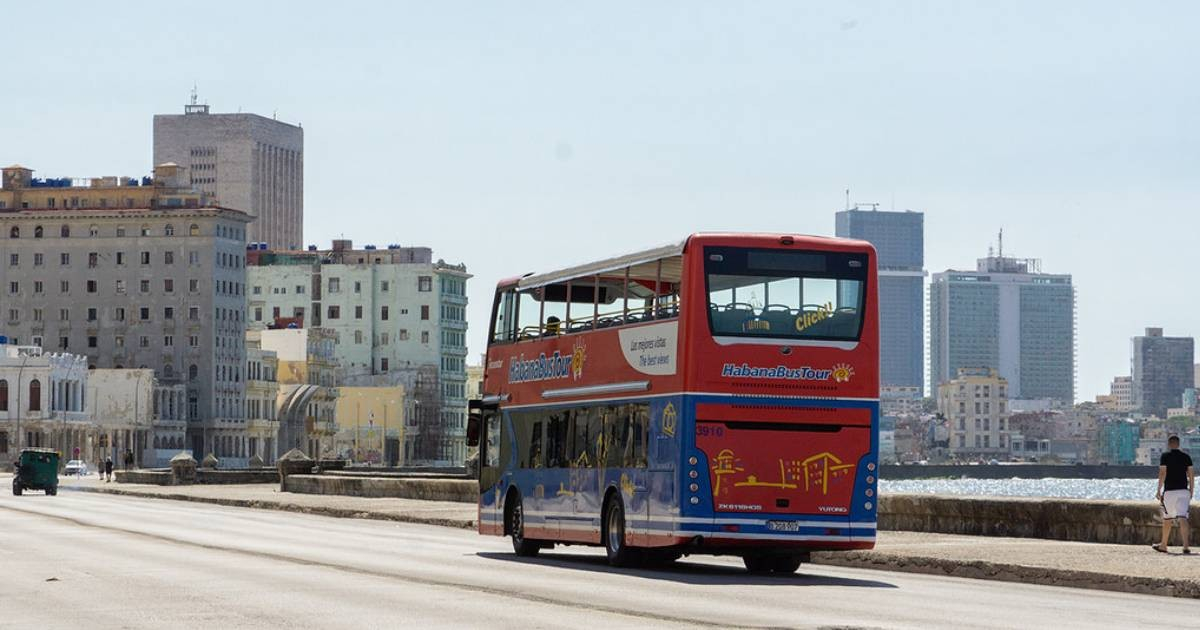
In a groundbreaking move, the Cuban government announced on Thursday that it will permit private entities to run travel agencies, offer tour guide services, and operate car rental businesses. This marks an unprecedented shift in a sector traditionally dominated by state control.
This initiative is part of a broader package of 176 economic reforms unveiled by Prime Minister Manuel Marrero Cruz during the Third Extraordinary Session of the National Assembly of People's Power (ANPP) held in Havana.
Should these changes take effect, they would dismantle decades of state monopoly over activities deemed strategic for the tourism industry, which is a vital source of foreign currency for Cuba.
Previously, Cuban law restricted these operations to the state sector or imposed heavy restrictions on small and medium enterprises, cooperatives, and self-employed individuals. Existing regulations, such as Decree 107 of 2024, kept several key tourism-related services off-limits to private actors.
Reforms Aimed at Expanding Private Sector Opportunities
The new regulations are part of the so-called Axis 1 of economic reforms, which aims to broaden the scope for non-state actors and lift the barriers that hinder their growth.
The reform package also removes some major obstacles faced by small and medium enterprises (SMEs), including the cap of 100 employees and the rule prohibiting one individual from owning more than one business.
This opening comes amid the worst crisis Cuban tourism has faced in decades. Official figures indicate that the island concluded 2025 with just over 1.8 million international visitors, significantly lower than pre-pandemic levels. The early months of 2026 saw a further decline, with low hotel occupancy rates and a continuous drop in sector revenues.
Economic Challenges and the Need for Adaptation
The situation has been exacerbated by energy challenges, air connectivity issues, and new economic pressures from measures enacted by the U.S. administration.
In this challenging climate, authorities are exploring ways to revive an industry once heralded as a driving force of the national economy.
Marrero defended the reforms as a necessary response to the country's situation, dismissing suggestions that they signify a departure from the socialist model. He reiterated a sentiment once expressed by Fidel Castro during the economic crisis of the 1990s: "Life, reality, the dramatic situation the world is experiencing compels us to do what we would otherwise never have done."
The Prime Minister emphasized that these measures are an adaptation to current circumstances, not a rejection of the system's principles.
A Broader Program for Economic Transformation
The changes are part of a larger program that includes allowing private currency exchange houses, new forms of private banking, easing foreign trade, and creating more opportunities for foreign investment.
According to officials, the proposals were developed from 390 recommendations reviewed by various state bodies. The final document also incorporated additional suggestions from the Political Bureau of the Communist Party.
Although the reforms have the backing of the Communist Party, they still need to complete their approval and implementation process. As a result, authorities have not specified when the first licenses will be issued for operating travel agencies, tour guide services, or car rental businesses.
This decision represents one of the most significant changes in the Cuban tourism structure since the Revolution's triumph and underscores the regime's growing need to find new ways to generate income in a sector facing one of its toughest periods.
Understanding Cuba's Tourism Reforms
What prompted the Cuban government to allow private tourism services?
The Cuban government is allowing private tourism services as part of a broader effort to revive the struggling tourism sector and generate new sources of income. This move comes amid severe economic challenges and a decline in tourist numbers.
How will these reforms impact small and medium enterprises (SMEs) in Cuba?
The reforms will remove major obstacles faced by SMEs, such as the limit on the number of employees and restrictions on business ownership, thereby expanding opportunities for private sector growth in Cuba.
When will the new licenses for private tourism services be issued?
The exact timeline for issuing new licenses for private tourism services has not been specified, as the reforms still need to complete the approval and implementation process.