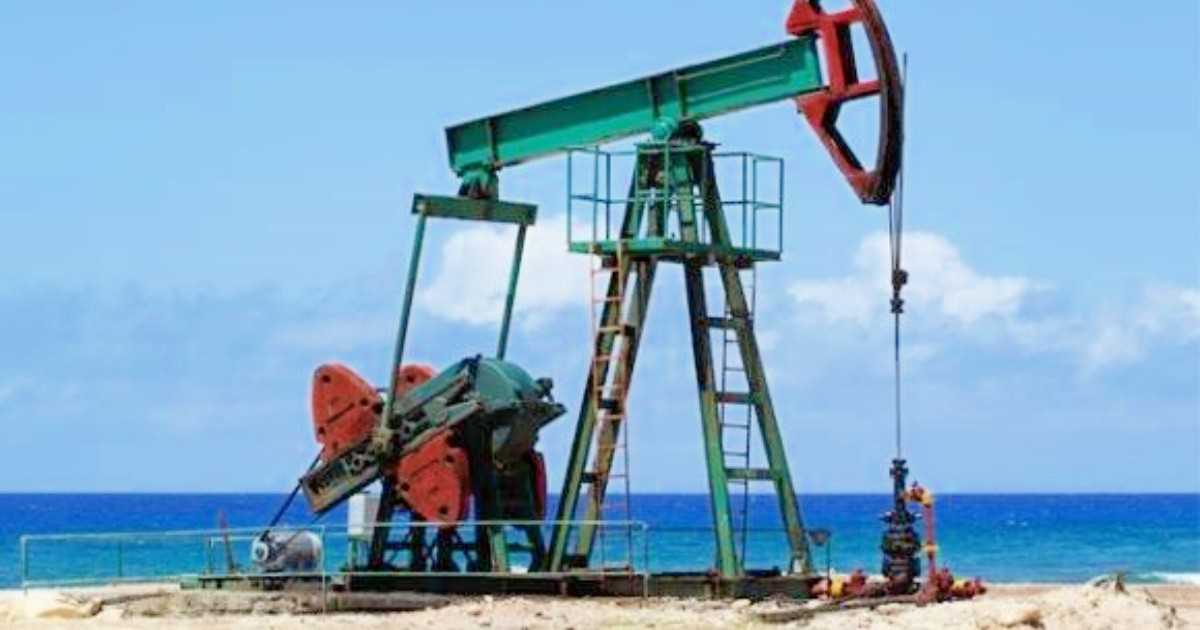
On Thursday, Melbana Energy Limited, an Australian oil company, announced the immediate halt of all its direct involvement—financial, technical, and administrative—in its Block 9 project in Cuba. This decision follows the U.S. State Department's designation of the Cuban state-run oil company CUPET as a Specially Designated National (SDN) on June 11.
This designation took place under Executive Order 14404, signed by President Donald Trump on May 1, 2026, which extended U.S. sanctions against the Cuban regime, targeting the energy sector among its primary objectives.
Melbana, listed on the Australian Stock Exchange (ASX: MAY) and holding a 30% stake in Block 9 through a subsidiary, informed CUPET of the suspension. The company stated this measure would remain while they conduct a thorough review of the legal and regulatory implications.
"In light of CUPET’s SDN designation, the company has immediately suspended its direct support—financial, technical, or administrative—of the contract while undertaking a more detailed review of these developments, and has informed CUPET accordingly," the statement to the Australian stock exchange read.
Challenges Prior to Sanctions
The project had already been facing significant difficulties before the sanctions were imposed.
Operations in Block 9 effectively came to a halt at the end of 2025 when the Angolan state oil company Sonangol, which held 70% of the project, stopped making capital calls, accruing a debt of approximately $23.5 million. This forced Melbana to withdraw all its expatriate staff and contractors from Cuba.
In April 2026, Melbana declared Sonangol in default and sought the transfer of the 70% stake to its ownership, a move still pending approval from Cuban regulators—a process now uncertain due to the new sanctions landscape.
Implications of U.S. Sanctions
Block 9 spans an area of about 2,380 km² in northwest Cuba, between Havana and Varadero, and is currently in the exploration phase without having generated any revenue so far.
The Australian firm clarified that neither it nor its subsidiaries have been designated as SDNs under any Office of Foreign Assets Control (OFAC) sanctions programs from the U.S. Treasury Department.
However, as a non-U.S. operator with CUPET as a contractual counterpart, Melbana faces the risk of secondary sanctions.
"The applicable sanctions framework is highly technical, and the legal and regulatory consequences of the Executive Order are not straightforward," the company warned in its statement.
Seeking Guidance for Future Operations
Melbana indicated it is seeking guidance from OFAC and the State Department to determine if there are pathways to resume operations in Cuba. However, it clarified that no definitive decisions have been made so far.
The sanctions against CUPET are part of a sustained escalation of U.S. pressure on the Cuban regime.
On June 5, the deadline passed for foreign companies to sever ties with GAESA, the regime's military-commercial conglomerate, under the threat of secondary sanctions.
Major shipping lines such as Hapag-Lloyd and CMA CGM had already paused operations to Cuba following these measures.
Cuban Prime Minister Manuel Marrero Cruz condemned the sanction on CUPET as a "new onslaught by the U.S. government against our people," while CUPET itself denounced the measures as "unjust and arbitrary."
Melbana clarified that its portfolio of exploration licenses in Australia remains unaffected by the Executive Order and pledged to update the market once it has information suitable for disclosure.
Understanding U.S. Sanctions on Cuban Energy Sector
What led to the suspension of Melbana Energy's operations in Cuba?
Melbana Energy suspended its operations in Cuba following the U.S. State Department's designation of CUPET as a Specially Designated National, which is part of an expanded sanctions framework targeting Cuba's energy sector.
How have U.S. sanctions affected the Cuban energy sector?
The U.S. sanctions have targeted Cuba's energy sector by designating entities like CUPET, complicating foreign investments and operations, and resulting in additional economic pressure on the Cuban regime.
What are the potential repercussions for Melbana Energy?
Melbana Energy faces the risk of secondary sanctions as a non-U.S. company with CUPET as a contractual partner, which may affect its ability to operate normally and engage in financial transactions.