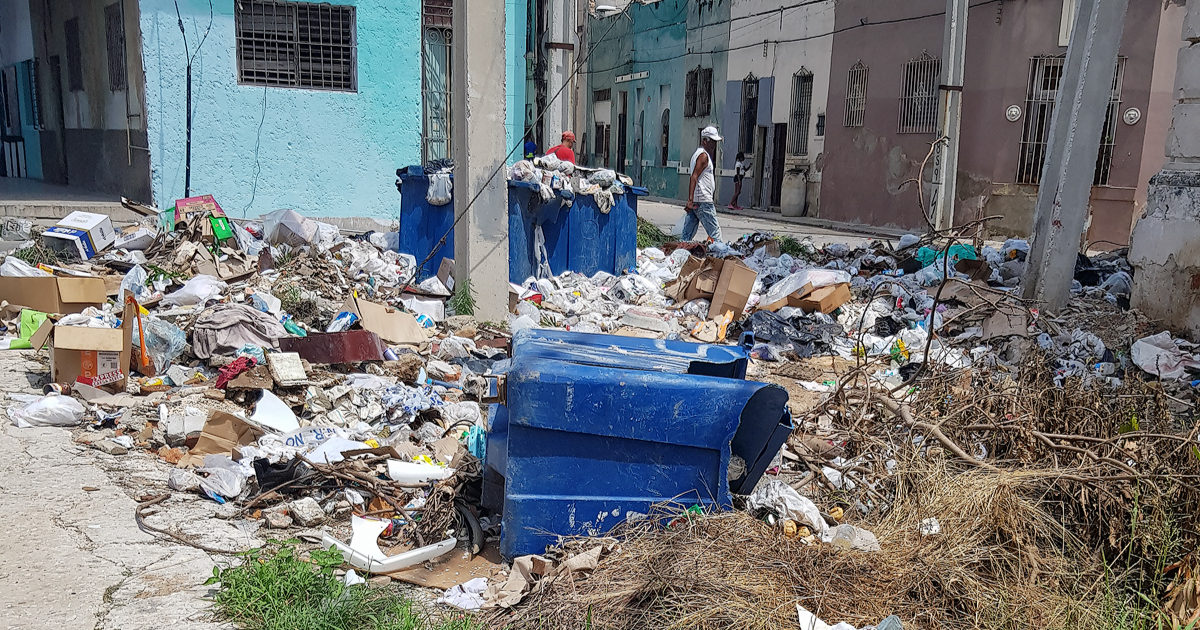
Residents of the El Vedado neighborhood in Havana are approaching a new waste collection and recycling initiative with cautious skepticism. The project, introduced on Wednesday at the Rampa Popular Council, aims to revamp waste management in one of Havana's busiest districts. This initiative was announced via social media by Pedro Lizardo Garcés Escalona.
Named PDL "El Rampeño," the program targets 14 districts within the Plaza de la Revolución municipality. Its dual objectives are to "create dignified employment opportunities within the community" and to "transform our surroundings into a pleasant, orderly, and healthy space for everyone."
The project plans to utilize 30 electric tricycles for door-to-door waste collection, alongside a solar-powered charging station—dubbed "solinera"—located at the intersection of 23 and J streets in the heart of El Vedado. This facility, opened in May, will also allow residents to charge electric motorcycles, bicycles, cell phones, and other devices.
Community Adaptation and Enforcement
The system will operate at two mandatory times: 7:00 a.m. and 8:00 p.m., with direct delivery to each household's doorstep. The official announcement stresses, "These times are not suggestions; compliance is mandatory."
Street containers will be removed, and four strategic points within the community will be designated for disposing of bulky waste like rubble, furniture, and discarded appliances.
The service will cost 100 Cuban pesos per household monthly, with different rates for state and non-state sectors based on waste volume. Vulnerable households—those with elderly members without income or individuals with disabilities—might be exempt from the fee after community assessment.
Potential Challenges and Legal Measures
The initiative also includes a team of inspectors authorized to issue fines and escalate cases to legal proceedings. Repeat offenders who dump waste in public areas could face charges of disobedience, damage, or epidemic propagation. The official statement clarifies, "This is not about intimidation but about mutual care."
This announcement comes amid a structural crisis in the capital's waste management. In February, only 44 of Havana's 106 garbage trucks were operational—just 41.5%—due to fuel shortages.
The crisis halted garbage collection in Old Havana for ten days, as reported by RTVE. The New York Times in Español highlighted on May 31 that garbage piles have become common in Havana, posing health risks like dengue and chikungunya.
With the state's inability to maintain its vehicle fleet, some residents have taken matters into their own hands. For example, people in Casino Deportivo organized their waste collection in response to the lack of state service.
The public's reaction to the PDL "El Rampeño" has been one of cautious skepticism, with sentiments like "hope it's true" reflecting years of unmet promises concerning urban hygiene.
The official announcement also acknowledges that the service's start date is yet to be determined: "We will provide timely notice of when this service will begin and when these measures will be implemented."
Understanding Havana's New Waste Management Initiative
What is the main goal of the PDL "El Rampeño" program?
The main goals of the PDL "El Rampeño" program are to generate dignified employment within the community and to transform the area into a pleasant, orderly, and healthy environment for all residents.
How will the waste collection process be carried out under the new program?
The waste collection process will involve 30 electric tricycles for door-to-door collection at two mandatory times, 7:00 a.m. and 8:00 p.m. Street containers will be removed, and designated points will be set for bulky waste disposal.
What challenges prompted the initiation of the PDL "El Rampeño"?
The initiative was prompted by a structural crisis in Havana's waste management, marked by a severe shortage of operational garbage trucks and the accumulation of garbage piles, posing public health risks.