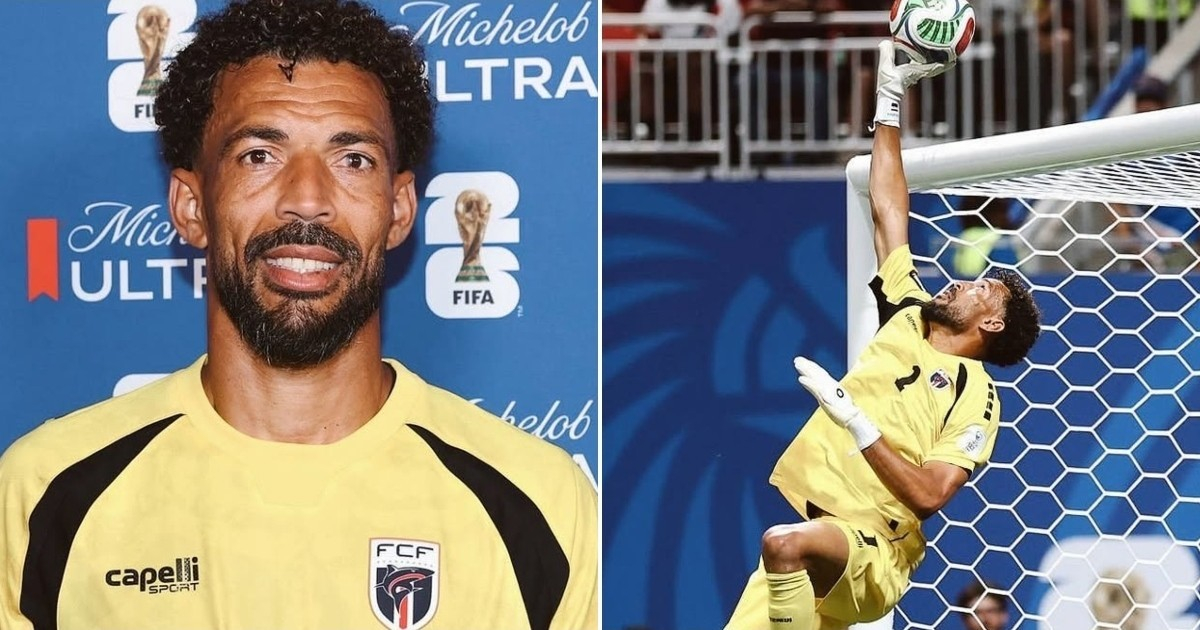
Ana Cândida Évora, the mother of Cape Verdean goalkeeper Vozinha, has successfully obtained a visa to enter the United States. This development was confirmed by journalist and insider Fabrizio Romano on social media. She will now have the opportunity to watch her son play in the upcoming 2026 World Cup match against Uruguay, scheduled for Sunday, June 21, at Miami's Hard Rock Stadium.
The resolution comes in the wake of an emotional press conference where Vozinha broke down in tears after Cape Verde's historic 0-0 draw against Spain on Monday, June 15, in Atlanta. The goalkeeper, who was named Man of the Match with seven crucial saves, expressed his disappointment over his mother's absence due to visa issues.
"My mother couldn't be here because of the visa. The amount of money required is significant. We couldn't arrange it in time, and I wanted her to be here," said the 40-year-old goalkeeper tearfully to the press.
The Impact of U.S. Visa Policies
The situation quickly highlighted the repercussions of the visa bond policy imposed by the Trump administration, which mandates that citizens from 50 countries, including Cape Verde, pay a bond of up to $15,000 to obtain a tourist visa, citing high rates of overstaying.
This story touched millions and quickly reached the upper echelons of U.S. politics. Democratic House Leader Hakeem Jeffries personally reached out to Secretary of State Marco Rubio to advocate for the case.
State Department's Response and Policy Changes
The State Department confirmed that immediate family members of 2026 World Cup players are eligible to apply for a visa bond waiver, a provision that existed but had not been communicated to Vozinha's family in time.
Cape Verde was added to the list of countries subject to the visa bond on January 21, 2026, just months before the tournament began. The policy has faced criticism for its disproportionate impact on low-income individuals seeking to travel legally to the U.S., with Vozinha's mother's case becoming a poignant example during the World Cup.
Vozinha’s Rise to Fame
Josimar Dias, known as Vozinha, entered the tournament relatively unknown to the broader public, with a market value of only 50,000 euros and no contract for the upcoming season after leaving G.D. Chaves in Portugal. His performance against Spain, a team that dominated possession with 74% and took 25 shots without scoring, skyrocketed him to global fame. Vozinha's Instagram followers soared from 56,000 to over 5.9 million in just a few hours.
With his mother now en route to Miami, Vozinha will have the support of his dearest fan when Cape Verde faces Uruguay, aiming to secure their second historic point in the World Cup.
"We've worked our entire lives for this match, for this dream. Many think we're small, but we're going to compete in every game," the goalkeeper expressed in an interview with TVE after making his debut against Spain.
Understanding U.S. Visa Bond Policies
What is the U.S. visa bond policy?
The U.S. visa bond policy requires citizens from certain countries to pay a bond of up to $15,000 to obtain a tourist visa, aimed at reducing overstaying rates.
How did Vozinha's mother's visa issue get resolved?
The State Department confirmed that family members of World Cup players could apply for a visa bond waiver, which allowed Vozinha's mother to receive her visa.