This week, Russian Deputy Foreign Minister Alexander Alimov admitted that Moscow's attempts to channel fuel shipments to Cuba through the United Nations' humanitarian agency have not succeeded, as reported by Russian state media Vzgliad.
On June 16, Alimov stated, "The notion of fuel suppliers operating under the UN's auspices through OCHA remains unresolved." He also commented that the international body "could have done more" to support the island nation.
The diplomat highlighted that the United Nations Office for the Coordination of Humanitarian Affairs (OCHA) requested a mere $94 million in aid for Cuba, a figure significantly lower than that allocated to other world crises, and even this amount is only 34% funded.
Back in mid-May, OCHA representative Edem Wosornu had informed journalists of ongoing negotiations for humanitarian oil shipments to Cuba, but these efforts did not materialize.
Cuba's Intensifying Energy Crisis
Alimov's remarks come amidst the worst energy crisis in Cuba's recent history. Since late 2025, the island has been virtually without imported crude. The situation worsened following the capture of Nicolás Maduro and the subsequent halt of Venezuelan and Mexican shipments in January 2026.
The last fuel shipment to reach the island in 2026 was delivered by the Russian tanker "Anatoly Kolodkin," which docked in Matanzas on March 31 with 100,000 metric tons of crude, enough to meet national consumption for just seven to ten days.
On May 14, Cuban Energy Minister Vicente de la O Levy publicly acknowledged that Cuba had completely exhausted its fuel and diesel reserves. The island requires between eight to ten fuel shipments monthly to meet its demand, but since December 2025, it has received only one.
International Sanctions and Legal Challenges
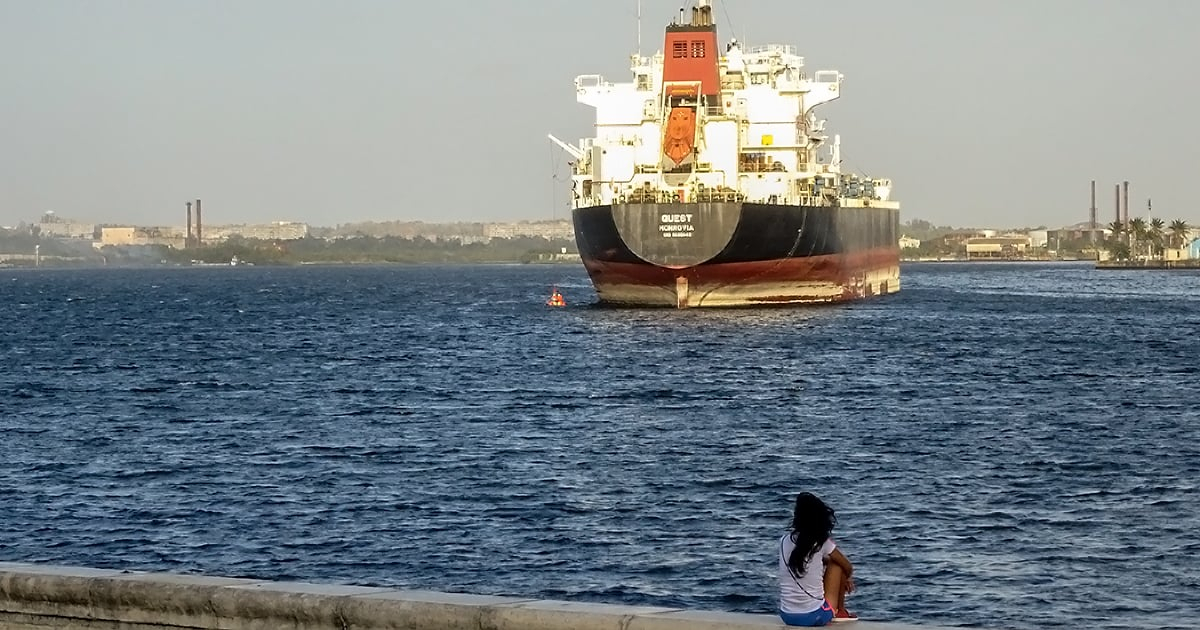
A second Russian vessel, the "Universal," carrying 251,000 barrels of diesel, wandered in the Atlantic for weeks, unable to reach its destination due to sanctions imposed by the United States, the European Union, and the United Kingdom. The Russian tanker Universal sped away from Cuba amid the supply crisis.
Judicial pressure has also intensified on supply routes. On June 13, the captain of the "Motor Tanker Bella 1," Georgian citizen Avtandil Kalandadze, pleaded guilty in a U.S. court for disobeying Coast Guard orders, becoming the first captain of the phantom fleet to plead guilty before U.S. justice.
Continued Russian Support and Economic Interests
Moscow, on its part, recently reaffirmed its commitment to Cuba. At the St. Petersburg Economic Forum in early June, Russian Deputy Prime Minister Dmitri Chernishenko announced that around 90 Russian companies are keen to invest in Cuba despite external pressures, with plans exceeding $1 billion in sectors such as energy, mining, tourism, and infrastructure.
Meanwhile, the last U.S. license permitting operations with Russian oil expired on June 17, further constricting legal avenues for Russian crude to reach the island and leaving Cuba almost entirely dependent on direct shipments from Moscow, which are actively being blocked by Washington.
Understanding the Fuel Crisis in Cuba
Why is Cuba facing a severe energy crisis?
Cuba is experiencing an energy crisis due to a lack of imported crude, exacerbated by political instability in Venezuela and sanctions affecting supply routes.
What role does the UN play in aiding Cuba's fuel crisis?
The UN's OCHA has attempted to facilitate humanitarian oil shipments to Cuba, but efforts have been insufficient as the requested aid remains largely unfunded.
How is Russia supporting Cuba amid the crisis?
Russia remains committed to supporting Cuba, with plans for significant investments in various sectors, despite facing international sanctions and logistical challenges.