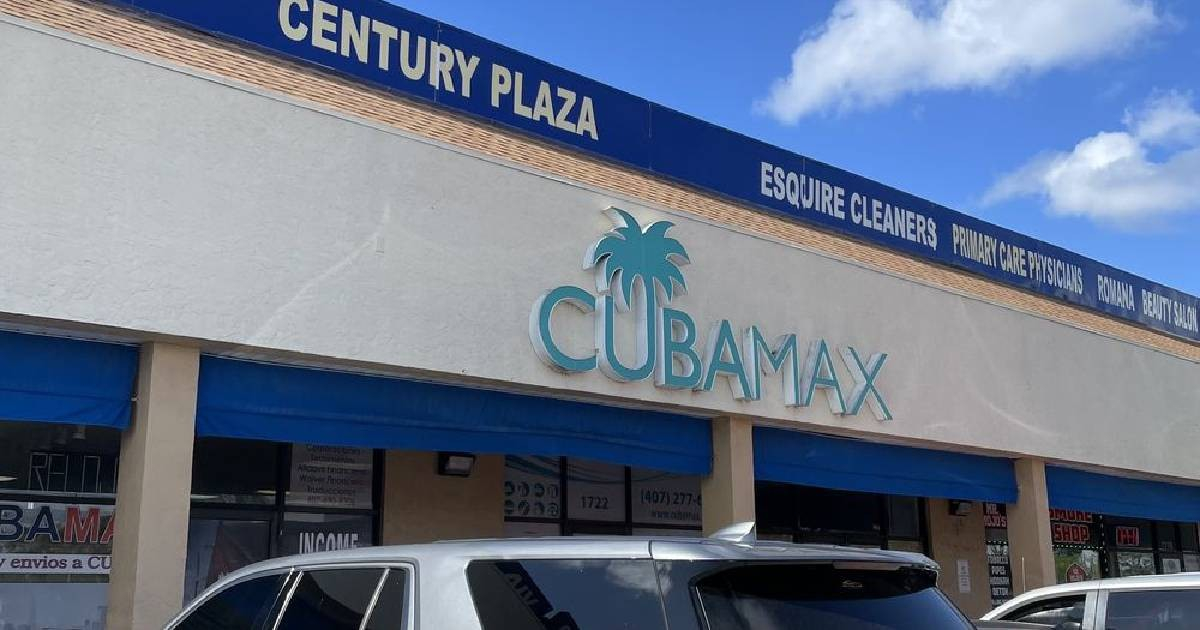
An investigation by the independent outlet El Toque has brought to light at least two instances of phone scams in Cuba. In these cases, fraudsters exploited actual shipping data from the agency Cubamax to deceive families on the island, with losses in the most severe case exceeding 104,000 Cuban pesos.
Detailed Account of the Scam
The primary case revolves around Diana Benítez, a Cuban living in the United States, who placed an order through Cubamax on May 23 to be sent to her mother in Havana.
On May 31, around 11:00 p.m., her mother received a call from a private number. The caller posed as a Cubamax employee and demanded an additional payment, citing a backlog of packages due to the fuel crisis.
The scammers were able to convince the victim by using accurate and real information about the transaction. "They told her it was a shipment made by me (Diana Benítez) from the United States, provided the invoice code (and gave her the number), as well as another for tracking the delivery," Benítez recalled to the outlet.
How the Fraud Unfolded
Using the Transfermóvil app, the scammers guided the woman to enter a series of supposed "codes" that were actually withdrawal amounts.
"She barely understood. She made the transaction, checked the balance, and saw that money had been deducted from her account. Then, they started telling her that the money wasn't coming through, that the operation was incorrect, and guided her with new codes and steps," explained the daughter.
The demands continued for nearly an hour, with promises of refunds that never materialized, until the total loss surpassed 104,000 CUP.
The scammers identified themselves as Alberto Quesada López and mentioned a supposed worker named Rosario Pérez González, who would come to resolve the issue. The number provided for the operations, 53534011, was always off when the victim attempted to contact it.
Response and Further Actions
Upon discovering what had happened, Benítez visited Cubamax offices in Kendall and Hialeah, where she claims to have been treated dismissively, with no employee showing interest in investigating.
She later filed a formal complaint via email, describing the incidents as "an unacceptable security failure in database management" and noting that "the breach of private data and extortion are matters of legal gravity."
The response came signed by Giraldo Acosta, representing the agency's management. "Cubamax has not suffered any vulnerability, data breach, or security incident related to our clients' information," he stated, recommending that a complaint be filed with Cuban authorities.
Broader Impact and Concerns
The second case documented by El Toque recorded a loss of 99 CUP, but the method was nearly identical, and the fraudsters also handled precise shipping details.
This pattern of fraud is part of a sustained increase in digital scams in Cuba, where similar cases had already been reported in April in Sancti Spíritus and Las Tunas.
Organizations like the Food Monitor Program and Cuido60 warned in May that older adults are the most vulnerable group to these types of phone scams.
In Las Tunas, more than 80% of those surveyed either know of or have directly experienced bank fraud, according to data from April 2026.
Understanding Shipping Scams in Cuba
What is the common method used in shipping scams in Cuba?
Scammers typically use genuine shipping information to pose as company employees, demanding additional payments under false pretenses like package backlogs.
How can individuals protect themselves from these scams?
Individuals should verify calls with the official company directly, avoid sharing sensitive information over the phone, and report suspicious activities immediately.
What actions have been recommended by Cubamax regarding these scams?
Cubamax suggests filing a complaint with Cuban authorities and reassures that their client data has not been compromised.