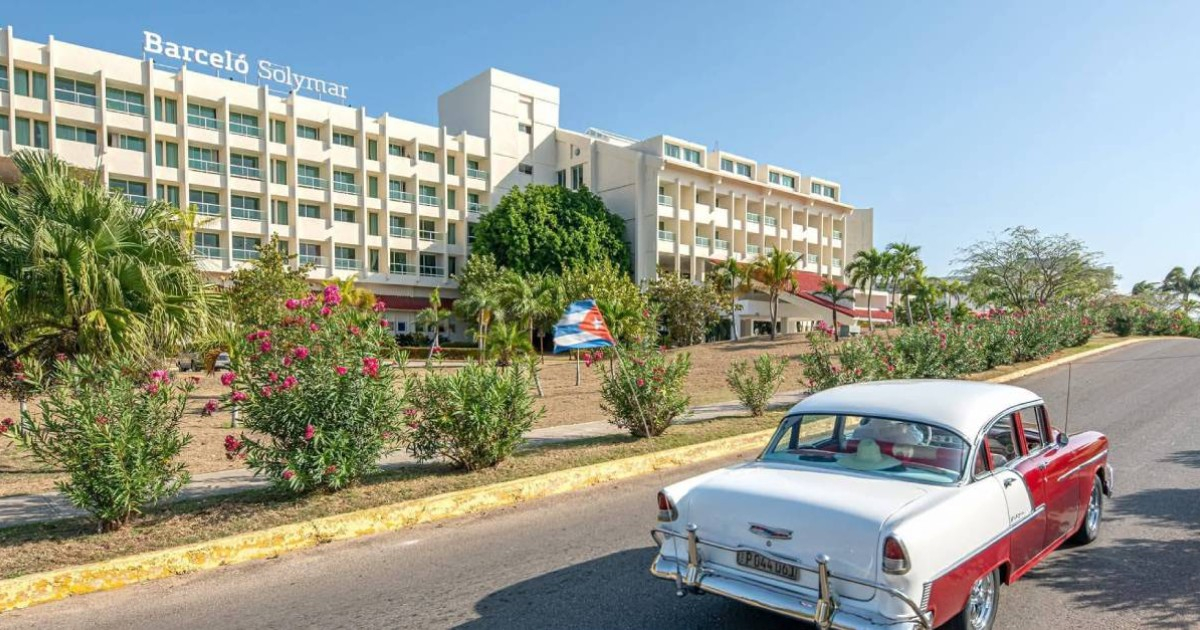
The Barceló Hotel Group is preparing to wrap up its operations in Cuba, as it has decided not to renew its management contracts for two of its Varadero hotels, which are set to expire next year.
This development was confirmed by Raúl González, CEO for EMEA (Europe, Middle East, and Africa), during a press briefing in Madrid on Wednesday.
The affected properties include the Barceló Solymar, offering 525 rooms, and the Occidental Arenas Blancas, which has 358 rooms. The latter has been closed for several months due to a significant drop in tourist demand.
These contracts were last renewed in 2017 for a period of ten years, forming a complex with a total of 1,353 rooms in Varadero, alongside the then Allegro Palma Real.
"The current plan is to end management when the contracts expire," González stated, adding that the company will proceed cautiously given the regulatory environment set by Washington.
"We will comply with the U.S. regulations, as we do not wish to encounter any risks or controversies," he emphasized.
Impact of U.S. Regulations
Unlike other hotel chains, Barceló operates in Cuba under a contract with Gran Caribe, the Cuban state-run chain, rather than Gaviota, the hotel division of GAESA. This distinction allowed Barceló to avoid immediate action when the Trump administration set a June 5, 2026 deadline for foreign companies to sever ties with the military conglomerate.
Nonetheless, the combination of a tourism crisis and contract expiration makes their departure in 2027 the most likely outcome.
Exodus of Hotel Chains
Barceló's decision follows a widespread withdrawal of Spanish and international hotel chains from the island. Iberostar ceased operations at 12 of its 18 Cuban hotels on June 1, 2026, and Meliá announced it would stop managing 15 properties on June 3. Additionally, Minor Hotels exited its two Havana hotels under the NH brand in February of that year.
These moves occur against a backdrop of an unprecedented tourist crisis in Cuba. The nation concluded 2025 with a mere 1.8 million international visitors and a hotel occupancy rate of 18.9%. The downward trend continued into the first four months of 2026, with just 328,608 tourists—a staggering 55.8% decrease compared to the previous year.
Strategic Shift Towards New Markets
While wrapping up its Cuban chapter, Barceló is shifting its focus towards more promising markets. Currently, the company is negotiating up to six new contracts in Saudi Arabia and plans to open locations in Istanbul, Cairo—near the Grand Egyptian Museum—and the Maldives by 2027.
"If all goes well, we are looking to sign six contracts in the coming weeks," González mentioned regarding the Saudi market.
Spanish companies have invested 465 million euros in Cuba from 1993 to 2024, managing over 70 contracts and around 30,000 rooms. However, this legacy is rapidly unraveling under Washington's pressure and the island's tourism collapse.
Frequently Asked Questions about Barceló's Exit from Cuba
Why is Barceló ceasing operations in Cuba?
Barceló is ending its operations in Cuba due to the expiration of its management contracts and a significant downturn in tourism, coupled with regulatory challenges set by U.S. policies.
Which hotels are affected by Barceló's decision?
The Barceló Solymar and Occidental Arenas Blancas hotels in Varadero are affected by the decision to not renew the contracts.