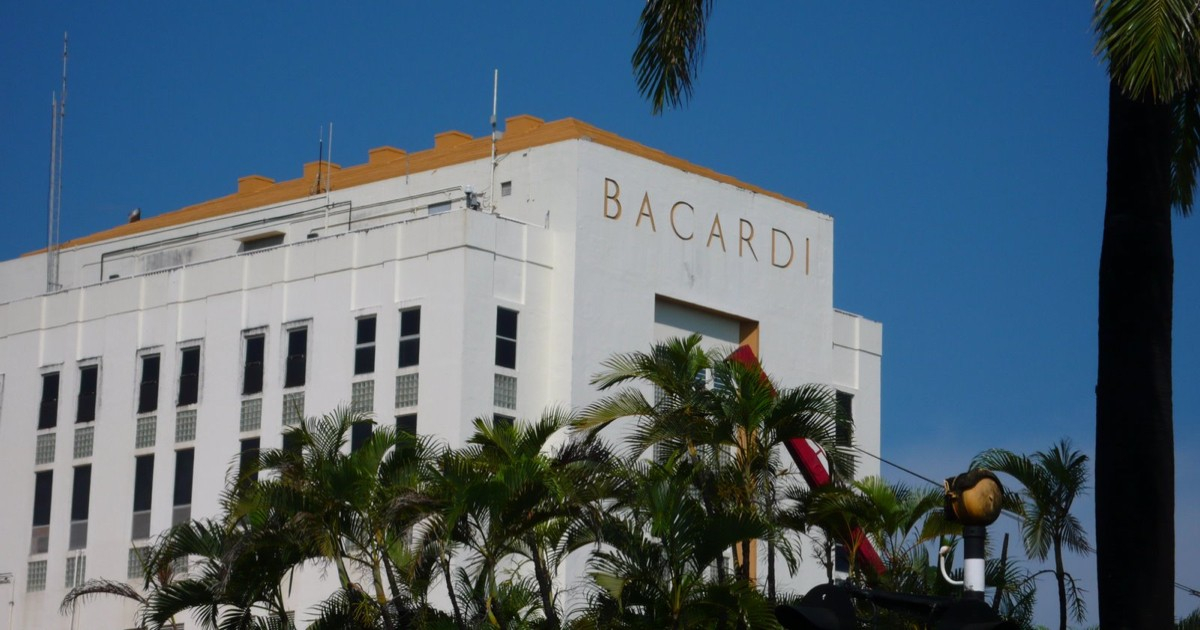
Bacardi faced another setback on Tuesday in its ongoing legal battle over the Havana Club trademark rights within the United States.
The Fourth Circuit Court of Appeals upheld a ruling that allows Cubaexport, a Cuban state-owned enterprise, to retain its registration of the rum brand in the U.S., dismissing Bacardi's claims, as reported by Reuters.
This verdict strikes a significant blow to Bacardi, which has long sought to prevent the Cuban regime from holding onto the rights of a brand with roots dating back to before the 1959 Revolution.
The decision reaffirms a prior judgment by federal judge Leonie Brinkema, who had previously dismissed a lawsuit filed by Bacardi against the United States Patent and Trademark Office (USPTO).
The Renewal Controversy
At the heart of the dispute was the renewal of the Havana Club trademark that took place in 2016.
Bacardi argued that Cubaexport had forfeited this right a decade earlier when the Office of Foreign Assets Control (OFAC) denied the necessary license for renewing the registration.
However, the judges concluded that the situation shifted when OFAC eventually authorized the transaction during the final months of Barack Obama's administration, thus allowing the renewal to proceed legally.
"OFAC's license cleared the ambiguity, removing the legal barrier that had prevented the 2005 transfer from being considered a payment," the court stated in its decision.
A Long-Running and Iconic Dispute
The Havana Club dispute is one of the most enduring and emblematic conflicts related to Cuban properties and assets following Fidel Castro's rise to power.
The brand was originally created in 1934 by José Arechabala S.A., a company established in Cárdenas, Matanzas. Following the revolution, the Cuban government nationalized the company, and decades later, Cubaexport registered the trademark in the United States.
Bacardi, whose owners fled Cuba after the revolutionary confiscations, later acquired the Arechabala family's rights and began marketing its own version of Havana Club rum in the U.S., claiming the original assets had been unlawfully seized.
The legal battle has traversed various courts over recent years. In 2021, Bacardi launched a lawsuit against the USPTO; the case was subsequently dismissed, reopened, and once again rejected, culminating in the decision announced this Tuesday.
Implications of Recent Legislation
This ruling arrives just months after the U.S. enacted the so-called "Bacardi Act," a piece of legislation signed by former President Joe Biden at the end of 2024 aimed at preventing courts and federal agencies from recognizing trademarks seized by the Cuban regime post-1959.
Havana harshly criticized the law. Cuban Foreign Minister Bruno Rodríguez denounced it as another coercive measure against Cuba, while officials from the Ministry of Foreign Affairs warned it could impact future renewals of the Havana Club trademark.
Nevertheless, the court's decision focuses on the 2016-approved renewal, years before that law took effect.
Neither Bacardi nor its legal representatives have publicly responded to the ruling, according to Reuters.
Currently, Cubaexport markets Havana Club outside the United States in partnership with French company Pernod Ricard, with the brand sold in over 120 countries. Yet, the U.S. market remains a central stage for a dispute that, more than six decades after the revolutionary confiscations, remains unresolved.
Understanding the Havana Club Trademark Dispute
What was the recent court decision regarding the Havana Club trademark?
The Fourth Circuit Court of Appeals upheld a ruling allowing Cubaexport to retain the Havana Club trademark registration in the United States, dismissing Bacardi’s claims.
Why does Bacardi contest the Havana Club trademark?
Bacardi contests the trademark as they claim the original assets were unlawfully seized by the Cuban regime, and they acquired rights from the Arechabala family, the original creators of Havana Club.
How did the OFAC license affect the trademark renewal?
The OFAC license, granted during the last months of the Obama administration, removed legal barriers, allowing the 2016 renewal of the trademark to proceed legally.