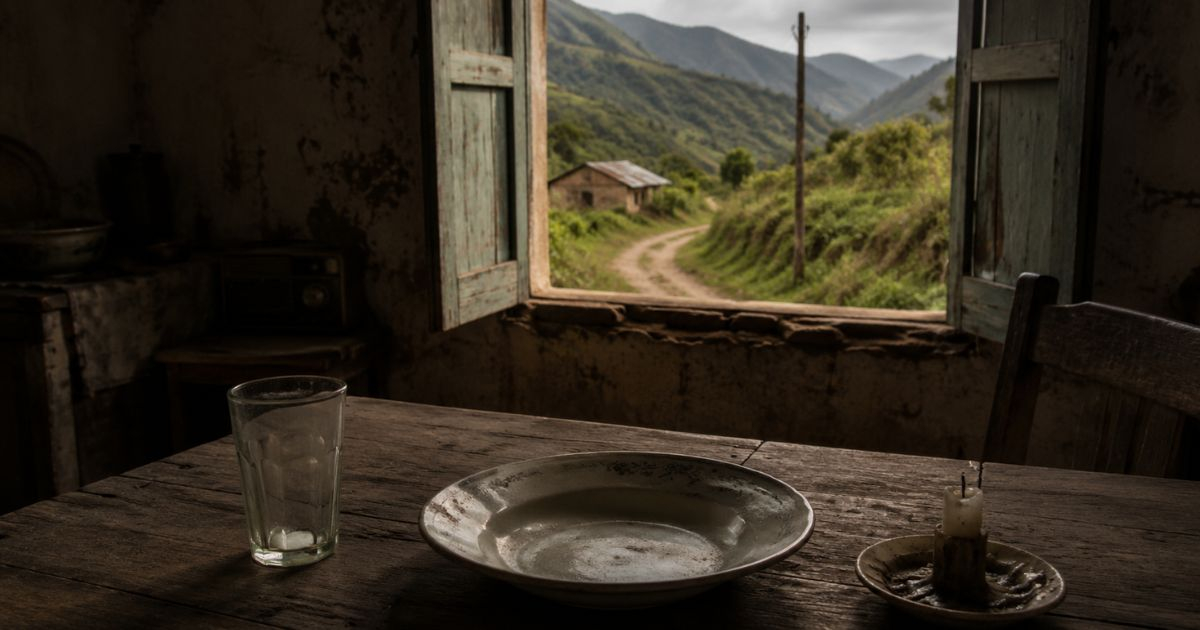
In the rural area of Baconao, located in Santiago de Cuba, locals are speaking out about severe isolation resulting from over two months without a stable water supply, extended power outages, and the cancellation of the sole bus service connecting their community to the city.
These complaints have been highlighted by independent journalist Yosmany Mayeta Labrada and amplified on social media by resident Yulaidy Ge Martines, who called the situation untenable.
"We are making a desperate and urgent plea to authorities and anyone who can hear us from Baconao. This town has been completely cut off: we have no transportation, no food, and no power. We have absolutely nothing," Ge Martines wrote on Facebook.
According to reports, residents have been without a consistent water supply for over two months, forcing them to fetch water from distant locations to meet their basic needs.
"We have to carry water from far away. The electricity is only on for about an hour, and the stores don’t receive any supplies," shared a resident who wished to remain anonymous due to fear of reprisals.
The situation worsened recently with the removal of the only bus servicing the community, which happened about a week ago without any public explanation from officials.
"We are without transportation. Children, the elderly, and the sick live here. No one tells us anything, and we are exhausted," expressed another local source.
The lack of transport prevents residents from accessing food, attending medical appointments, handling paperwork, or commuting to work.
Supplies in local stores are nearly non-existent, and when some are available, priority is given only to children aged zero to four years and seniors over 65.
Located approximately 20 kilometers from the city of Santiago de Cuba, Baconao lies within a protected area spanning about 84,900 hectares, making it particularly vulnerable to public transport disruptions.
The crisis in Baconao is part of a broader structural emergency affecting the entire province.
The Electric Company of Santiago de Cuba has admitted its inability to provide even two hours of electricity daily, while the national power deficit exceeded 2,000 MW in June, leading to outages lasting up to 40 or 50 hours in some neighborhoods.
This accumulated decline has incited protests across the province in June. Residents of San Ricardo took to the streets after several consecutive days without electricity, and on June 11, people in the José Martí District protested, demanding power, food, and political changes.
Earlier this year, in January, the Food Monitor Program reported that Santiago residents resorted to using contaminated water due to government inaction. By May, five Cuban provinces, including Santiago de Cuba, were experiencing critical levels of food insecurity.
"By taking away our transportation, they have left us with our hands tied. We have no way to move or seek daily sustenance for our families. People in town are hungry, the situation is unsustainable, and we need a solution NOW!" concluded Yulaidy Ge Martines in her post.
Understanding Baconao's Crisis
What has caused the isolation of Baconao residents?
The isolation is due to a combination of factors, including the removal of the sole bus service, prolonged power outages, and an unreliable water supply.
How are residents coping with the water shortage?
Residents are forced to travel long distances to fetch water from other locations, as they have not received a stable water supply for over two months.
What impact has the lack of transportation had on Baconao?
The absence of transportation has severely limited residents' ability to access food, medical care, and employment, further exacerbating their isolation and hardship.