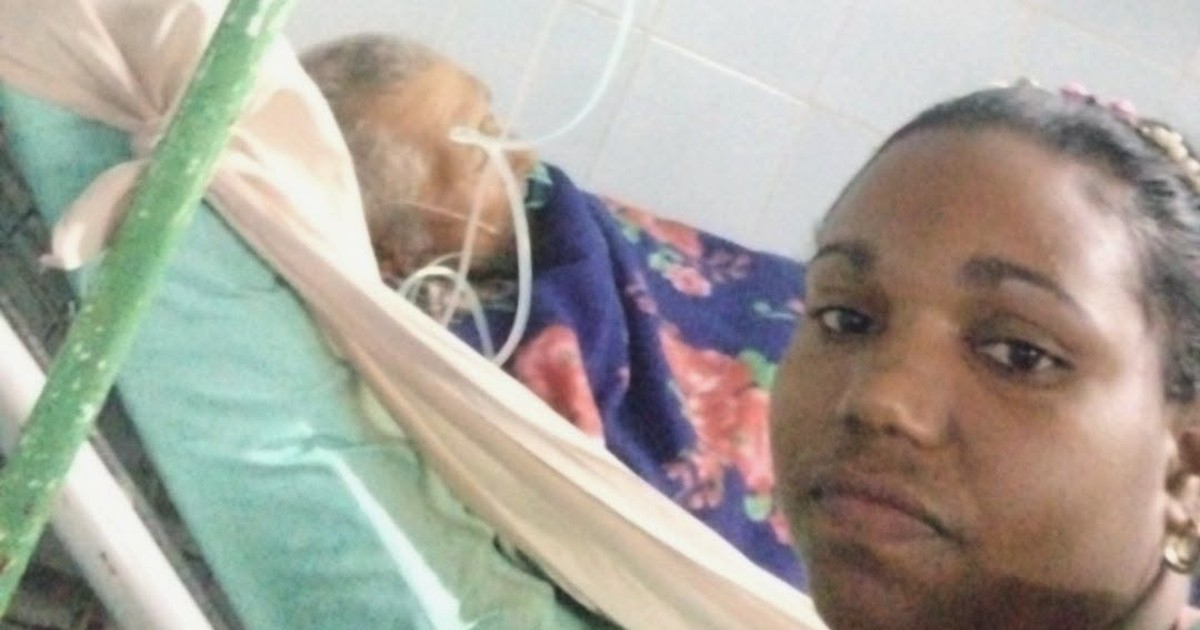
A young woman from Camagüey has made a heartfelt plea on Facebook, seeking assistance to secure a pacemaker for her father, who is currently in the Intensive Care Cardiovascular Unit at the Provincial Hospital of the city.
The patient has been relying on an external artificial pacemaker for several days while waiting for a permanent device. The specific models needed are Medtronic or Biotronik, either single-chamber or dual-chamber.
"It's incredibly difficult to see your father constantly connected to machines, knowing he needs this to survive, and yet in our country, it's unavailable for so many who are in desperate need and have been waiting months just to extend their lives a little longer," Emiliannis Cordero Simon shared in the Facebook group "Revolico Camagüey everything very cheap."
The family has expressed their readiness to purchase the device if someone can guide them on how to obtain it. However, they face a structural hurdle: pacemaker manufacturers only sell to hospital institutions, not individuals.
Many commenters from various countries confirmed this reality. "I searched online using the name you provided, but these aren't freely sold. I wanted to help and surprise you, but unfortunately, that's not possible," wrote a user named Binelys Benítez.
Others suggested acquiring them through intermediaries in Panama or Mexico. "I was able to purchase one for my grandmother in Panama around three years ago. It's true that from the United States, it's impossible to buy it," a commenter explained. According to another user, prices on Mexico's Mercado Libre range from 30,000 to 40,000 Mexican pesos.
One commenter advised contacting the National Institute of Cardiology in Havana to check for availability, while another suggested reaching out to the National Institute of Forensic Medicine, where pacemakers removed from deceased individuals are either given to their families or donated to hospitals.
Healthcare Crisis in Cuba
Javier Reina Leiva's case is not unique. In September 2023, reports indicated that at least 20 people in Camagüey urgently required pacemakers. By April 2024, the NGO mediCuba-Europe reported that over 100 Cubans were hospitalized due to a lack of pacemakers, with another 1,500 in need across the country.
This distressing scenario recurs regularly, highlighting the collapse of Cuba's healthcare system. In July 2025, the Minister of Public Health himself admitted to Parliament that only 30% of essential medications were available in pharmacies. In 2026, BioCubaFarma acknowledged its inability to supply around 300 essential medicines.
A survey conducted earlier this year revealed that 54.2% of Cubans face significant challenges in acquiring medications, with a mere 4.8% obtaining them without difficulty.
The frustration among commenters encapsulates the plight of thousands of Cuban families: "How tragic that someone has to die because there's no pacemaker available here. A medical powerhouse without resources."
Frequently Asked Questions About Pacemaker Availability in Cuba
Why is it difficult to obtain pacemakers in Cuba?
Pacemaker manufacturers typically sell their devices exclusively to hospital institutions, not individuals, creating barriers for those in dire need in Cuba.
What alternatives exist for obtaining a pacemaker in Cuba?
Some individuals manage to acquire pacemakers through intermediaries in countries like Panama or Mexico, or by contacting institutions such as the National Institute of Cardiology in Havana.
How does the healthcare crisis affect the availability of medical devices in Cuba?
The healthcare crisis in Cuba has led to severe shortages of medical devices and essential medicines, affecting the ability of hospitals to provide necessary care.