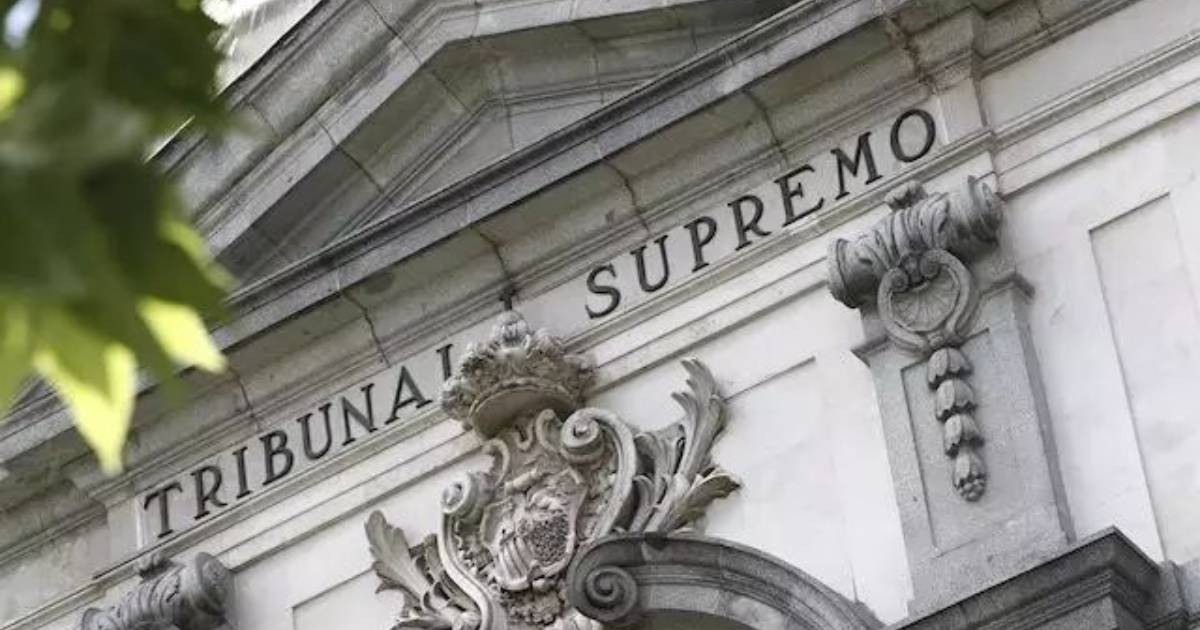
The Spanish Supreme Court has upheld a conviction against a man who, acting as a spiritual godfather in the Yoruba religion in Gran Canaria, wrongfully took 11,000 euros from a Cuban woman. The money was intended to fund a life-saving religious ceremony that was allegedly to be held in Cuba.
According to a report by local newspaper Canarias7, the court's decision revealed that the defendant persuaded the woman to travel to the island for a religious coronation ceremony. The warning was dire: failing to go to Cuba could result in her death.
"If I didn't go to Cuba to save myself, I would die," the victim testified during the court proceedings.
Convinced by the man she saw as her spiritual guide, the woman handed over various sums of money between January and February 2020, even resorting to a bank loan to gather the amount.
Exploitation of Spiritual Trust
The Provincial Court of Las Palmas concluded that there was a relationship of total trust and spiritual dependence between the two, a factor that was crucial in assessing the case.
Judges found the complainant's testimony to be entirely credible, supported by other witnesses who confirmed both the monetary transaction and the influence exerted by the accused over her.
The Impact of the Pandemic
The situation shifted with the onset of the COVID-19 pandemic, which made traveling to Cuba impossible and the ceremony was never conducted. Despite this, the man did not return the money.
"He never returned a single euro," the Provincial Court concluded.
During the trial, the defendant admitted to receiving the 11,000 euros but claimed that some of the funds were spent on preparatory rituals and other related expenses. However, he failed to provide evidence to support this claim.
Legal Proceedings and Sentencing
The initial sentence was issued in November 2022 by the Sixth Section of the Provincial Court of Las Palmas. Subsequently, both the Canary Islands Superior Court of Justice and the Supreme Court dismissed appeals from the defense, solidifying the conviction.
The high court emphasized that the crime was facilitated by the accused's position of "moral and spiritual superiority" over the victim within the Yoruba religion.
Judges rejected the notion that this was merely a civil dispute or a disagreement over religious expenses. They ruled it as aggravated embezzlement due to abuse of trust.
The sentence includes two years of imprisonment, a fine of 3,000 euros, a special disqualification from the right to passive suffrage during the term of the sentence, and the obligation to repay the 11,000 euros to the victim.
Broader Concerns in the Community
The case has highlighted ongoing concerns about abuses linked to religious practices in the Canary Islands, home to a significant Cuban community.
According to the Canary Islands Institute of Statistics, approximately 64,000 individuals born in Cuba currently reside in the archipelago, making them the second largest migrant group in the region.
Worries over such practices intensified after a police operation in December 2025 in Tenerife and Gran Canaria targeted the so-called "Onise Iyanu Temple," regarded by authorities as the largest santería network dismantled in Spain. The investigation revealed that its members used rituals and alleged spiritual powers to exert psychological control over followers and amass substantial sums of money.
Even prominent figures within the Yoruba religion have warned in recent years about the rise of fraudulent religious practitioners and ceremonies exploiting people's emotional vulnerabilities for profit.
FAQs on Yoruba Religious Practices and Legal Actions in Spain
What was the main charge against the Yoruba priest in Spain?
The Yoruba priest was charged with aggravated embezzlement due to abuse of trust, as he took 11,000 euros from a Cuban woman under false pretenses for a religious ceremony that never occurred.
How did the COVID-19 pandemic affect the case?
The pandemic restricted travel to Cuba, preventing the ceremony from taking place. Despite this, the accused did not refund the money to the victim, which was a significant point in the court's findings.
How significant is the Cuban community in the Canary Islands?
The Cuban community is the second largest migrant group in the Canary Islands, with around 64,000 Cuban-born individuals residing there, according to the Canary Islands Institute of Statistics.