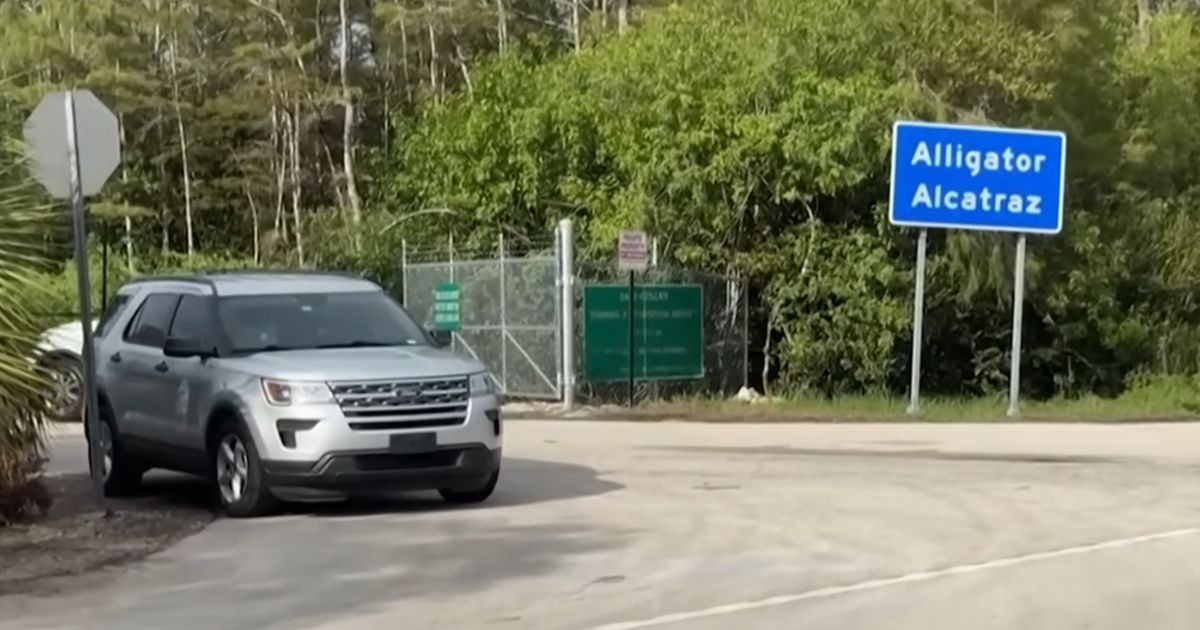
In a desperate bid for help, families from places as distant as France, Illinois, and Miami resorted to dialing 911 since it was their only recourse. The notorious detention facility, colloquially known as Alligator Alcatraz, lacks a direct functional contact number, leaving Collier County police with no option but to reroute emergency calls back to the center for internal management.
Over a period of 328 days, from the summer of 2025 through mid-May 2026, the Miami Herald scrutinized more than 130 incident reports and emergency calls obtained via public records requests.
The recorded conversations reveal a troubling pattern of despair and lack of transparency in the operations of this controversial detention center situated in the Everglades of Florida.
The Voices of Desperation
One woman, identified as Jessica, pleaded with a 911 operator, "I just need someone to make sure he gets antibiotics or something. There’s no phone number for this place. I just need someone to help me." Her fiancé, Esvin Rodezno, had been without medical attention for two days, suffering from fatigue, a sore throat, and a rash that spread to his head and arm. The center’s medical staff reportedly told him, “You’re not dying.”
When Jessica inquired whether the Collier County agent thought the center would address her concerns seriously, the response was blunt: "I don’t work for them."
In another distressing call, a woman from Miami-Dade reported a cardiac emergency: “A security guard called me today to tell me the father of my children had a heart attack and can’t feel his arm.”
Alarming International Calls
Among the most disturbing incidents was a call from a man named Emess in France, who in March 2026 reported that his 30-year-old brother from Ivory Coast, detained at the center, was threatening self-harm. Emess shared that his brother had given him his phone code as a farewell, saying, “He’s dead. He killed himself.”
The Herald could not confirm reports of suicide attempts or deaths within the facility.
Communication Barriers and Allegations
The publicly listed contact number for Alligator Alcatraz misleadingly connects to the Krome North Processing Center in southern Miami-Dade County, leaving families with no direct line of communication.
Since its inception, the center has faced relentless complaints: family visit prohibitions, legal access challenges, and scant information about internal conditions.
In December 2025, Amnesty International documented "routine denial of access to medical care," noting that "center staff systematically ignored people who reported feeling pain or being sick," and described the conditions as intentionally making confinement "unbearable."
Official Denial and Financial Implications
The Department of Homeland Security dismissed these criticisms, asserting that its facilities provide "comprehensive medical services," and claimed it was "the best healthcare many immigrants have ever received in their lifetime."
Among the approximately 1,400 detainees housed at the center—substantially below its designed capacity of 3,000 to 5,000 individuals—between 700 and 800 were Cuban, with about 70% lacking a final deportation order.
The state of Florida has announced plans to shut down the facility due to its operational costs of roughly one million dollars per day, seeking a federal reimbursement of 608 million dollars for expenses accumulated since its opening in July 2025.
Frequently Asked Questions about Alligator Alcatraz
Why do families call 911 for help at Alligator Alcatraz?
Families dial 911 because there's no direct, functional contact number for Alligator Alcatraz, forcing them to seek help through emergency services.
What are some of the reported issues at Alligator Alcatraz?
Reported issues include denial of medical care, communication barriers, prohibitions on family visits, and difficulties for legal access.
What actions is Florida taking regarding Alligator Alcatraz?
Florida plans to close the facility due to its high operational costs and is seeking a federal reimbursement for the expenses incurred since its opening.