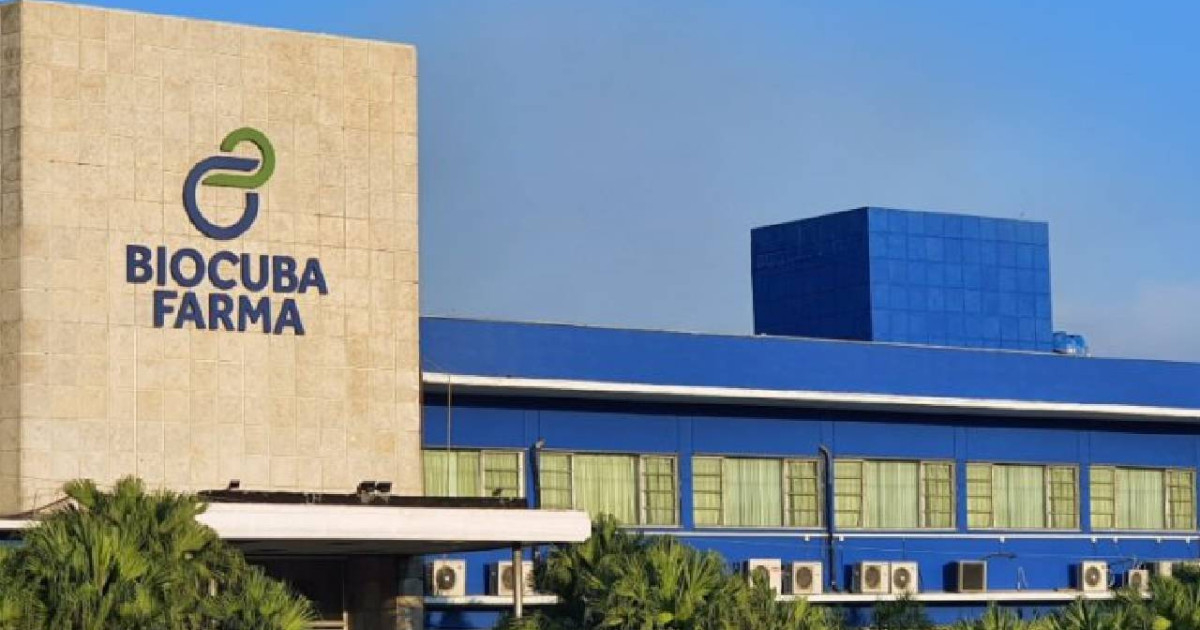
The recent statements by the state-owned company Biocubafarma, claiming that U.S. sanctions are responsible for the shortage of approximately 300 essential medications in Cuba, have sparked a wave of criticism and skepticism among Cubans on social media.
This controversy erupted following an announcement by Mayda Mauri Pérez, the company's president, who told national media that the bio-pharmaceutical industry is experiencing its most challenging period ever. She cited problems in obtaining raw materials and pharmaceutical supplies as major hurdles in meeting production commitments.
Public Doubt Over Official Claims
Despite these assertions, many users on Cubadebate's official Facebook page expressed doubt. One user remarked, "Cubans have faced a medicine shortage for years," while others recalled that even before the current energy crisis, it was common to turn to the black market for basic medications.
Numerous individuals questioned the exclusive blame on the United States, pointing out that Biocubafarma has business ties with countries like China, Russia, and Vietnam. Some asked why, even with these strategic partnerships, they cannot ensure the availability of crucial medications such as salbutamol for asthma patients.
Contradictions and Criticism
The most critical responses highlighted inconsistencies between official statements and everyday experiences. One woman reported she hasn't been able to find salbutamol spray for over a year, while others noted that these products are available through dollar-based commercial platforms or via private vendors importing Chinese-made medications.
Comments also linked the shortages to internal economic choices. Some users blamed the government for prioritizing hotel investments over essential sectors like public health. Others called for the authorization of small and medium-sized enterprises to sell medications under state supervision.
Export Policy Under Scrutiny
Criticism extended to the bio-pharmaceutical industry's export policy. Although Mauri Pérez claimed that no medications in short supply are exported from Cuba, commenters questioned the continuation of international sales and agreements amid severe domestic shortages.
One comment encapsulated the widespread frustration: "Now everything is blamed on the blockade. When will they ever self-criticize? They failed to plan; it's due to inefficiency."
Biocubafarma admitted it has been unable to provide nearly 300 of the 395 medications promised to the national health system, blaming the situation on the lack of raw materials, which require more than $250 million in funding. The company also stated that revenues from exports support domestic production and emphasized cooperation with China, Russia, and Vietnam as part of their crisis strategy.
Nevertheless, the prevailing sentiment among readers was one of distrust toward the official explanations and reminders of a longstanding medication scarcity that, according to many accounts, has been impacting the daily lives of Cubans for years.
Government's Narrative and Reality
Recently, Foreign Minister Bruno Rodríguez Parrilla joined the official narrative, stating that "the lack of fuel prevents nearly 50% of medications produced in Cuba in recent months from being distributed nationwide," also attributing this issue to Washington's oil embargo.
The crisis is neither new nor sudden. A survey conducted between February and March with over 1,700 participants found that 54.2% of Cubans face severe obstacles in accessing medications, and only 4.8% obtained them without difficulty.
In July 2025, the Minister of Public Health admitted before the National Assembly that Cuba had only 30% of the essential medications available, and by the end of 2024, more than 460 essential drugs were either completely unavailable or had low coverage, affecting over 70% of the basic list.
Meanwhile, the regime continues to push medication exports to foreign markets, with BioCubaFarma operating a subsidiary in Zaragoza, Spain, that sells medical equipment to over 20 countries.
Understanding the Medication Shortage in Cuba
What is causing the medication shortage in Cuba?
The shortage is attributed to difficulties in obtaining raw materials and pharmaceutical supplies, exacerbated by U.S. sanctions. However, internal economic decisions and inefficiencies are also criticized as contributing factors.
How are Cubans coping with the lack of medications?
Many Cubans resort to the black market for essential medications. Some also purchase medications through dollar-based platforms or from private vendors importing products from countries like China.
Are there international partnerships helping Cuba's pharmaceutical industry?
Biocubafarma maintains partnerships with countries such as China, Russia, and Vietnam. These alliances are intended to support domestic production, despite ongoing shortages.