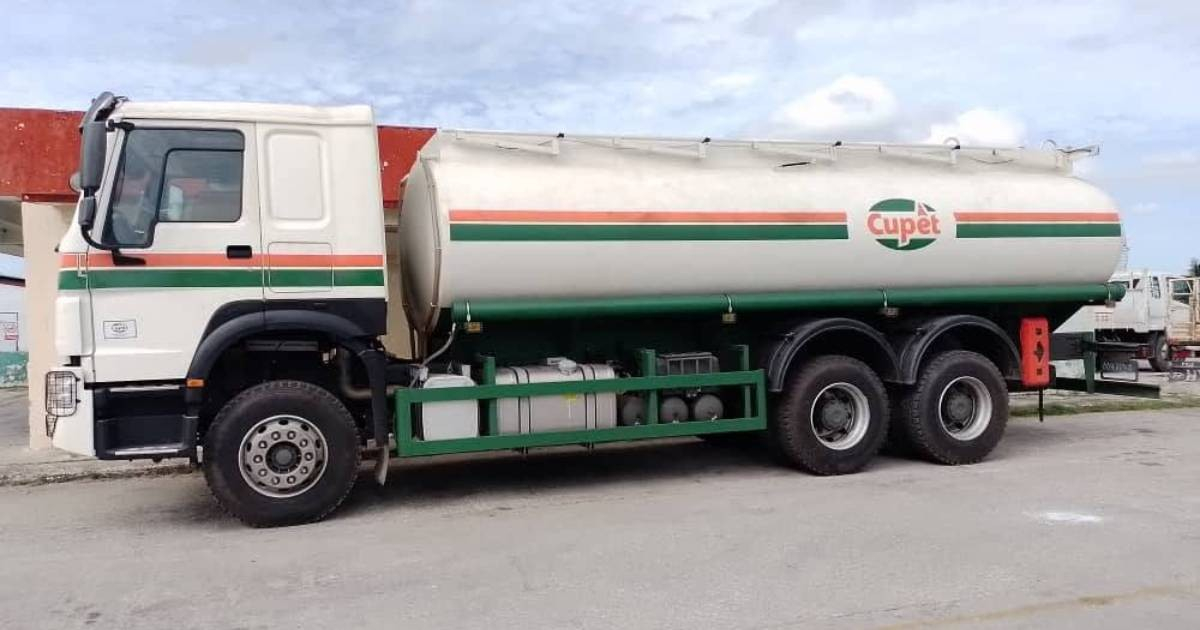
The recent U.S. sanctions against Cuba's state-run oil company, CUPET, do not immediately halt potential fuel imports from the United States. However, they do place any future dealings under much stricter scrutiny by Washington.
On Thursday, Max Meizlish, a researcher at the Foundation for Defense of Democracies (FDD) and former official at the U.S. Department of the Treasury's Office of Foreign Assets Control (OFAC), provided insights into the measures announced by Secretary of State Marco Rubio against the company responsible for Cuba's fuel importation, refining, and distribution.
Meizlish clarified that CUPET’s inclusion on the sanctions list does not completely exclude the company from engaging in fuel-related operations with the United States.
"Being designated doesn’t mean CUPET is barred from importing U.S. fuel, but it does mean that any such transactions will face increased oversight from the U.S. government," he explained on the social media platform X.
The expert noted that any U.S. company wishing to engage in business with CUPET must now secure a specific license from the Treasury Department. This requirement allows Washington to scrutinize each proposed operation individually and impose restrictions on payments made to the Cuban state enterprise, thereby limiting the economic benefits CUPET might gain from these transactions.
Meizlish's comments come amid controversy following reports about Vanguard Energy, a Coral Gables, Florida-based company that had announced plans to use CUPET facilities to ship large quantities of gasoline and diesel to Cuba. This initiative was portrayed by several U.S. media outlets as the most significant fuel export project from the U.S. to Cuba in over sixty years.
However, the State Department later clarified that no specific license had been granted for that operation and reiterated that current sanctions against the Cuban regime remain fully enforced.
According to Meizlish, CUPET's designation helps dispel uncertainties that arose after these reports surfaced. "This action is a positive step, particularly as confusion had grown following reports of a U.S.-based company planning to send fuel to Cuba and possibly paying CUPET for storage," he wrote.
The expert also raised a question with potentially serious legal and financial repercussions: whether the U.S. government considers CUPET part of the business structure controlled by GAESA, the economic conglomerate of the Cuban Revolutionary Armed Forces.
If so, CUPET could be subject to the Treasury Department's "50% Rule," which automatically extends sanctions to companies majority-controlled by already blocked entities, even if they haven't been individually sanctioned.
This observation is significant. On May 7, Washington sanctioned GAESA and several of its top officials, marking a major move in the Trump administration's new strategy to pressure Cuba's economic structures.
Since then, these measures have gradually expanded. In addition to sanctions against high-ranking intelligence and security officials, the Treasury Department recently warned foreign companies about the risks of transactions with entities linked to GAESA, the Ministry of the Interior, and the Armed Forces.
Adding CUPET into this framework represents an extension of U.S. pressure into the energy sector, considered a strategic pillar for the Cuban state's operations.
Meizlish's position is especially noteworthy as it aligns with proposals he made weeks earlier. On June 3, the researcher contributed to the report "Beyond the Embargo: A Toolkit for Squeezing the Cuban Regime," which called for extending sanctions to the energy sector and creating mechanisms to hinder the regime's access to new funding sources.
In the expert's view, CUPET's designation doesn't amount to a total blockade of all fuel-related operations. Still, it does grant Washington broader control over any future transactions involving Cuba's main oil company.
Frequently Asked Questions About U.S. Sanctions on CUPET
What is the impact of U.S. sanctions on CUPET's operations?
The sanctions impose stricter oversight by the U.S. government on any fuel-related transactions involving CUPET, requiring U.S. companies to obtain a specific license to engage with the Cuban oil company.
Does CUPET's sanction mean it cannot import fuel from the U.S.?
No, the sanction does not entirely prevent CUPET from importing U.S. fuel, but any such dealings will be under heightened scrutiny and require specific licensing.
What is the "50% Rule" and how might it affect CUPET?
The "50% Rule" extends sanctions to entities majority-owned by already sanctioned companies. If CUPET is considered part of GAESA, it could face additional restrictions under this rule.