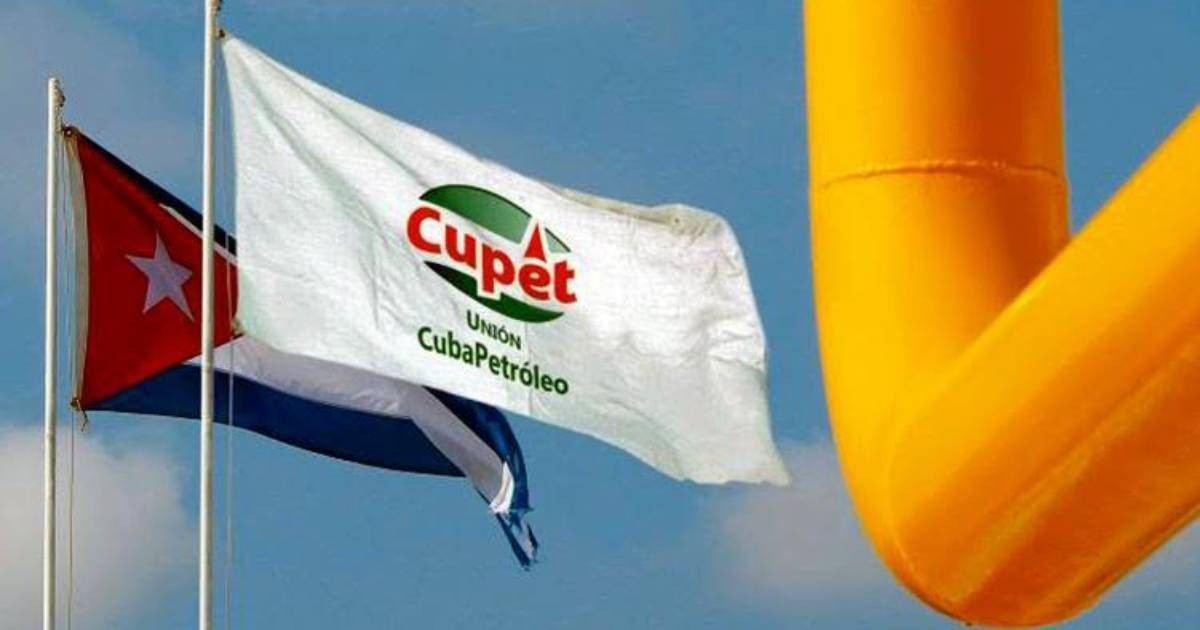
On Thursday, the Trump administration escalated its pressure campaign against the Cuban regime by imposing sanctions on the state-run Unión Cuba-Petróleo (CUPET). This company is central to the import, refinement, and distribution of fuel in Cuba, playing a vital role in the nation's economy.
Secretary of State Marco Rubio announced the sanctions under Executive Order 14404, signed by President Trump on May 1. CUPET becomes the second major Cuban state entity targeted under this new sanctions framework, following the military conglomerate GAESA.
Rubio explained that the move is a response to the energy sector's significant role in the regime's power structure. "The Cuban communist elites have weaponized energy as a tool for social control and kleptocratic profit," stated the chief U.S. diplomat.
The State Department accused Cuban authorities of utilizing available fuel to maintain privileges for the ruling elite and security apparatus, while ordinary citizens endure prolonged blackouts and shortages.
"The regime has hoarded and misappropriated fuel for the Castros' private plane, security forces used to oppress the Cuban people, lighting empty tourist hotels, and transporting individuals for staged protests," Rubio remarked.
The sanctions were announced just a day after news broke of an agreement between U.S. company Vanguard Energy and a Cuban importing entity to use CUPET facilities for fuel supply operations to the island. The project involved shipments exceeding 250,000 barrels of gasoline and diesel per trip, described by U.S. media as the largest fuel export plan from the U.S. to Cuba in over 60 years.
However, shortly after the operation was revealed, the State Department clarified that no special authorization had been granted and reiterated that sanctions against the Cuban regime remain fully in force.
By adding CUPET to the list of sanctioned entities, all its assets and interests in the United States are now blocked. Additionally, foreign companies, banks, and financial institutions engaging with the company may face secondary sanctions, significantly broadening the measure's impact.
This decision strengthens Trump's pressure strategy since his return to the White House. On May 7, Washington sanctioned GAESA, the business conglomerate controlled by Cuba's armed forces, considered one of the regime's primary economic pillars.
The U.S. administration has emphasized its commitment to expanding sanctions against entities and individuals tied to the Cuban power apparatus.
The sanctions come at a particularly challenging time for Cuba. The energy crisis has worsened in recent months, with record deficits in power generation and blackouts in some areas lasting over 20 hours a day.
The deteriorating living conditions have fueled growing social unrest and increased citizen protests across various regions of the country.
In announcing the new sanctions, Rubio indicated that the energy sector is seen as the next battleground in Washington's strategy against Havana. "President Trump envisions a new future for the Cuban people with greater freedom and economic and political opportunities. Until then, we will continue to undermine the communist regime's ability to use its energy trade to advance its corrupt agenda and violently repress the Cuban people," he asserted.
With CUPET now under scrutiny, the White House extends its pressure from the military and tourism sectors into the core of Cuba's energy system, opening a new chapter in its offensive against the regime.
Key Questions on Trump's Sanctions Against CUPET
What is the significance of sanctioning CUPET?
Sanctioning CUPET targets a critical part of the Cuban economy, as it handles fuel importation and distribution, impacting the regime's ability to maintain its power structure.
How might these sanctions affect foreign businesses?
Foreign businesses engaging with CUPET could face secondary sanctions, risking their operations and financial transactions with U.S. institutions.
What prompted the Trump administration to impose these sanctions?
The sanctions are part of a broader strategy to increase pressure on the Cuban regime, particularly due to the energy sector's role in supporting the regime's power and control.