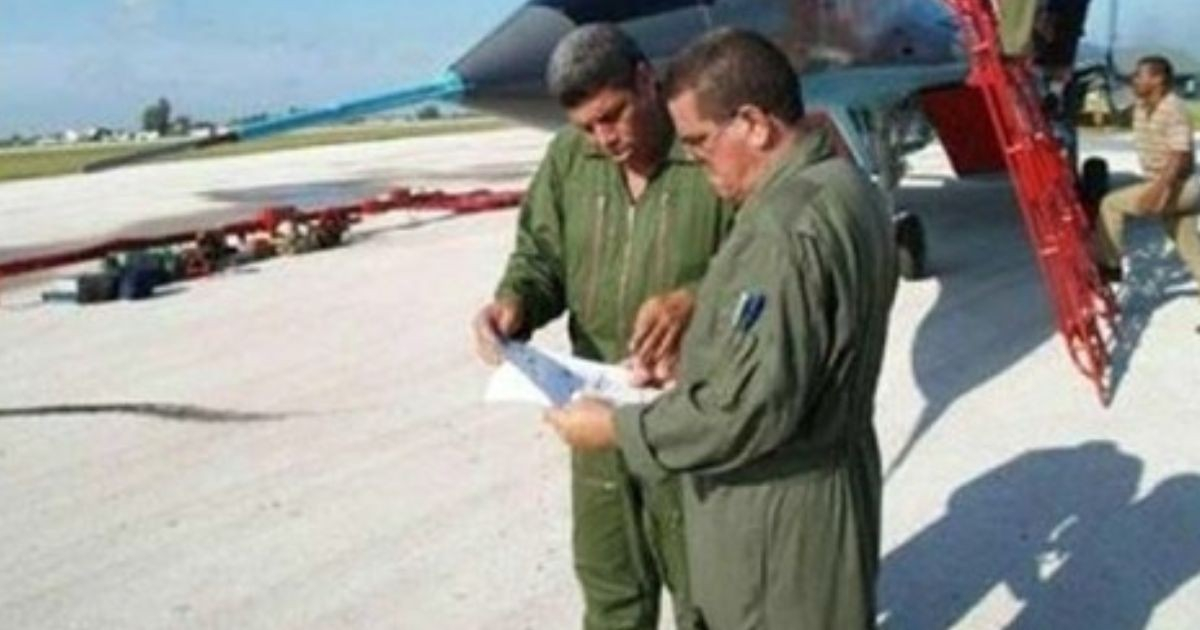
The former Cuban pilot, Luis Raúl González-Pardo Rodríguez, has been detained in the United States since November on charges of immigration fraud. He is now also implicated in a high-profile case involving Raúl Castro, accused of downing the aircraft of Brothers to the Rescue on February 24, 1996.
Accusations of Murder and Conspiracy
At 65, González-Pardo is facing additional charges of murder and conspiracy. He has been identified as the pilot in the cockpit of the MiG-29A 911 during the pursuit of José Basulto's plane. This revelation was possible due to the efforts of Luis Domínguez, an investigator from the Foundation for Human Rights in Cuba, who painstakingly tracked González-Pardo over the years and uncovered his secret alias: "Code 22."
Domínguez explained to Telemundo 51, "In aviation, radio codes are used to conceal identities, and he was known as code number 22. However, he made mistakes, sometimes revealing his name instead of the code, as they say in Cuba."
Unmasking "Code 22"
Domínguez delved into recordings from that fateful day, confirming González-Pardo's connection to the regime's military forces and his role in the attack that led to the deaths of Brothers to the Rescue members. "He was part of the second group of aircraft that launched that day. There were two pairs, and he was in the second pair, flying alongside two other pilots," Domínguez disclosed.
This "Code 22" is a critical element in the U.S. Department of Justice's case against Raúl Castro. Domínguez emphasized, "He holds all the information about what happened that day, who was in the control tower, and who gave orders from the San Antonio de los Baños airbase. No one else here possesses such information."
Deception and Legal Troubles
González-Pardo entered the United States on April 19, 2024, under a humanitarian parole, attempting to blend in as a civilian. Despite reaching the rank of lieutenant colonel in Cuba's Air Defense and Revolutionary Air Force, he denied any military background in his permanent residency application.
Due to these actions, the U.S. Attorney's Office for the Southern District of Florida arrested him, charging him with fraud, visa misuse, and making false statements to a federal agency—charges that could lead to up to 15 years in prison.
Confrontation and International Denouncement
Former Cuban military pilot Orestes Lorenzo, who defected in 1991, revealed to Telemundo 51 that he confronted González-Pardo in 2017, demanding accountability for the crime. González-Pardo reportedly claimed that pilots were "simply following orders."
However, as the think tank "Cuba Siglo 21" highlights, "The international community does not accept 'obedience to superiors' as justification for premeditated and deliberate killings." The downing of Brothers to the Rescue aircraft is classified as premeditated homicide, constituting a crime against humanity that does not expire.
The substitute indictment against Raúl Castro and the five military officials, including González-Pardo, involves conspiracy to murder U.S. nationals, four counts of murder, and two counts of aircraft destruction. An audio recording supports the charges, in which Castro allegedly ordered, "Bring them down over the sea when they appear; do not consult those in command."
Key Questions About González-Pardo's Case and Implications
What are the charges against Luis Raúl González-Pardo?
He faces charges of immigration fraud, murder, conspiracy, visa misuse, and making false statements to a federal agency. These charges could result in up to 15 years in prison.
How was González-Pardo identified as "Code 22"?
Luis Domínguez, an investigator, uncovered his alias by analyzing aviation recordings and linking him to the military forces involved in the 1996 attack on Brothers to the Rescue.
What did the international community say about the incident?
The international community, including think tanks like "Cuba Siglo 21," denounces the actions as a crime against humanity, rejecting the defense of "obedience to superiors" for premeditated killings.